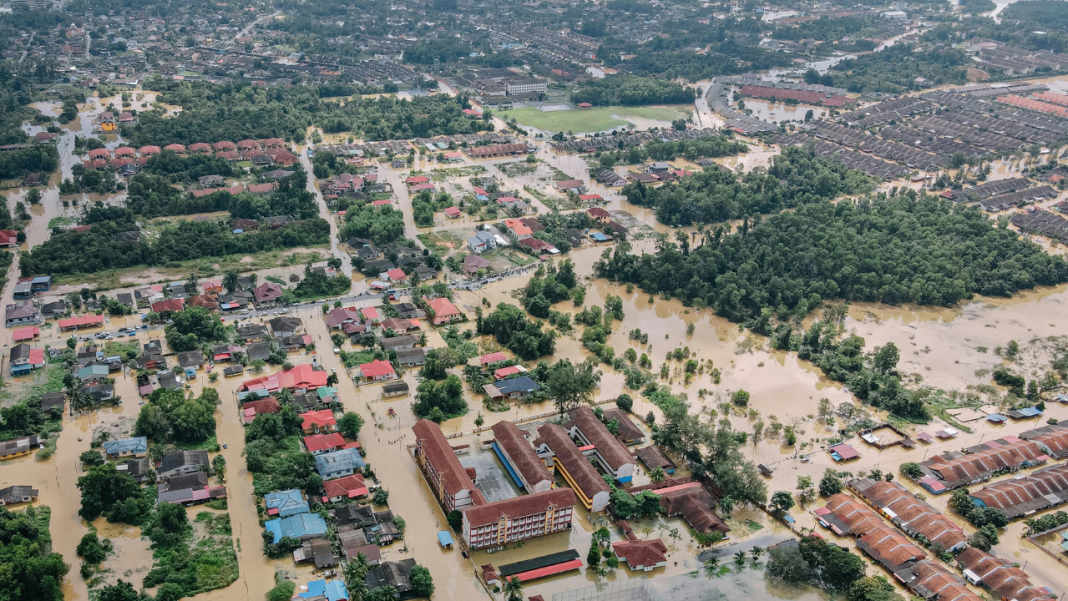
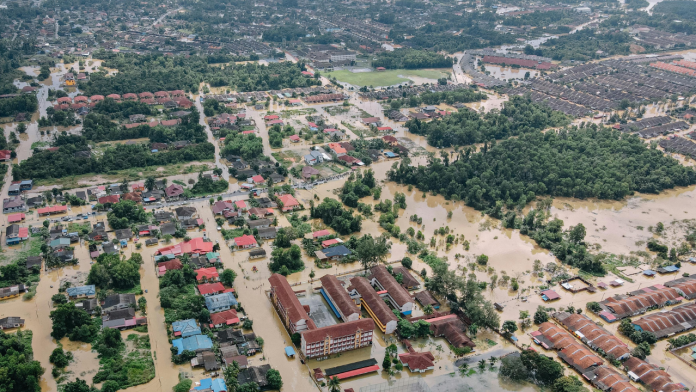

A boat carrying people moves through a flooded street, following heavy rainfall at Wellampitiya, a low-lying suburb of Colombo.
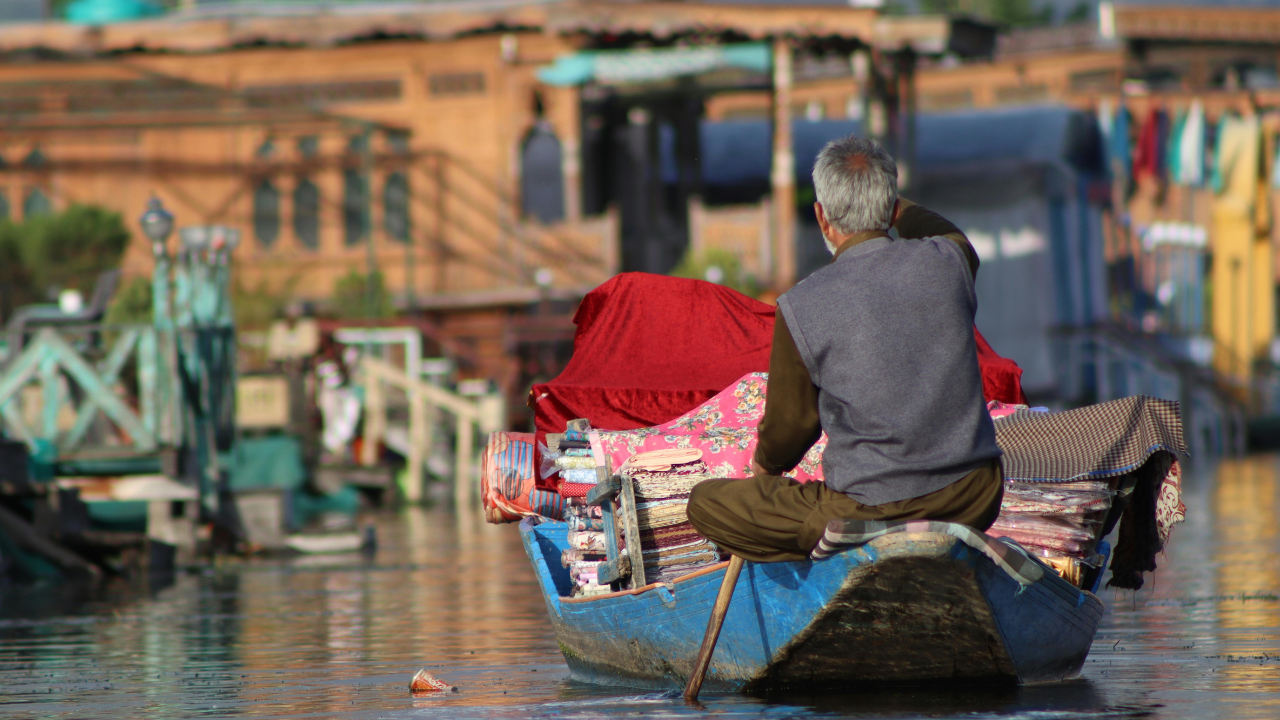
Likewise, a mat sits on a divider in the centre of a flooded road after heavy rainfall lashed even the capital, Colombo.
Although dry weather gradually returns to Sri Lanka in the aftermath of cyclone ‘Ditwa’ destruction, authorities are still battling rising floodwaters, besides landslides that are still rampant in outstation areas.
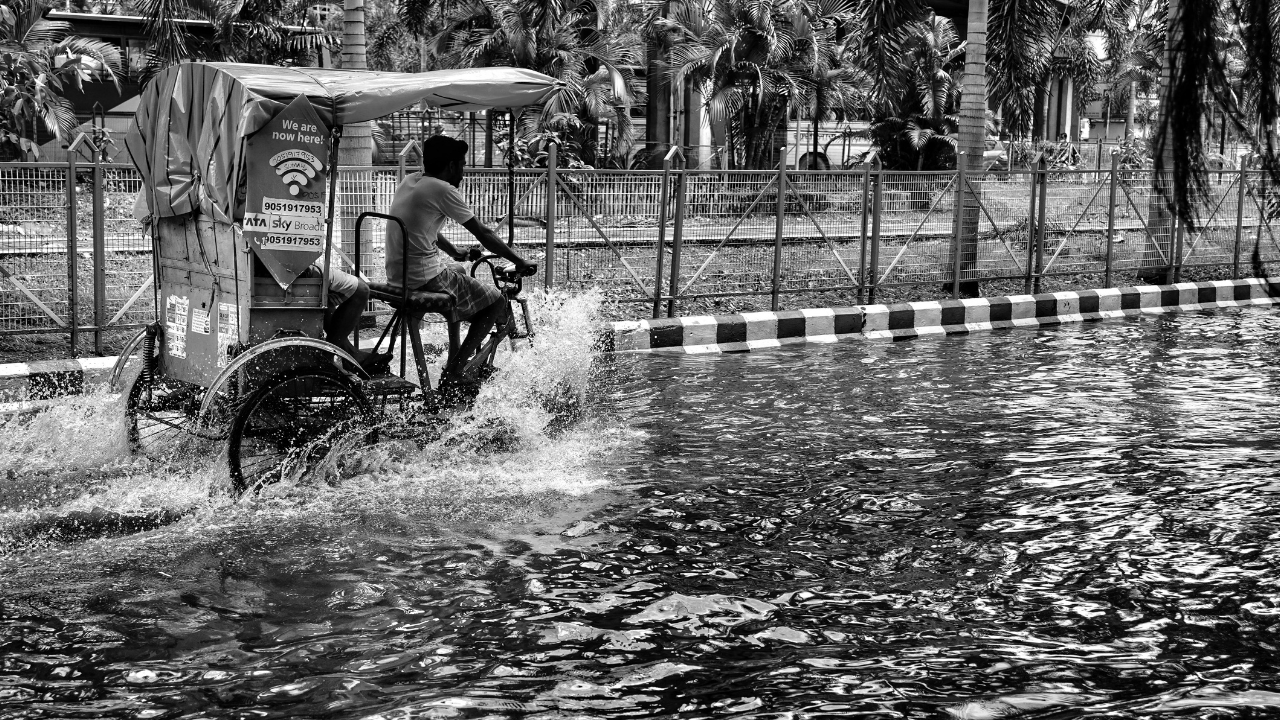
Suburbs of the capital, Colombo, are yet affected by the rising waters of the Kelani River, which flows from the central hill country to the coastline adjacent to Colombo city. The Disaster Management Centre (DMC) attributes the flooding on both the eastern & northern flanks of Colombo to their proximity to the flanking Kelani River.
The total of 330 deaths & 370 missing persons continues to rise by the hour!
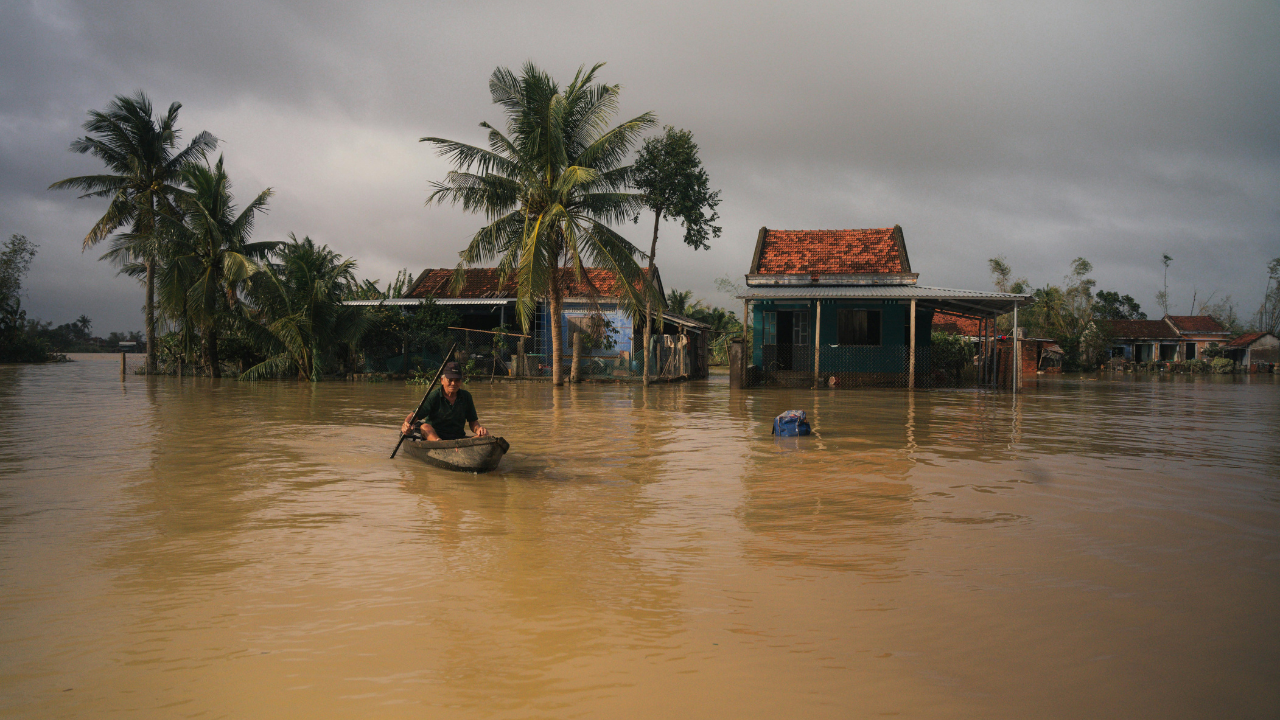
A week of heavy rain was caused by an initial atmospheric disturbance in the Indian Ocean’s Bay of Bengal, which developed into a deep depression and then transformed into a cyclone ultimately named ‘Ditwah.’
DMC shared that although the cyclone had left the shores of Sri Lanka, in its northward journey towards the eastern Indian coastline, the heavy rains received upstream are now flooding the low-lying coastal townships scattered throughout the entire island country.
Sri Lanka’s President, Anura Kumara Dissanayake, was compelled to declare a state of emergency yesterday to enable the forces to brace themselves in reaching out to the stranded in remote outstation locations, whilst appealing for international assistance to deal with the cyclone’s aftermath. Among the friendly nations, neighbouring India was the first to respond, followed closely by Pakistan, the Maldives, Japan, Australia, and the USA in supporting stricken Sri Lanka!
Some access bridges, either washed away or damaged, rendered several townships inaccessible.