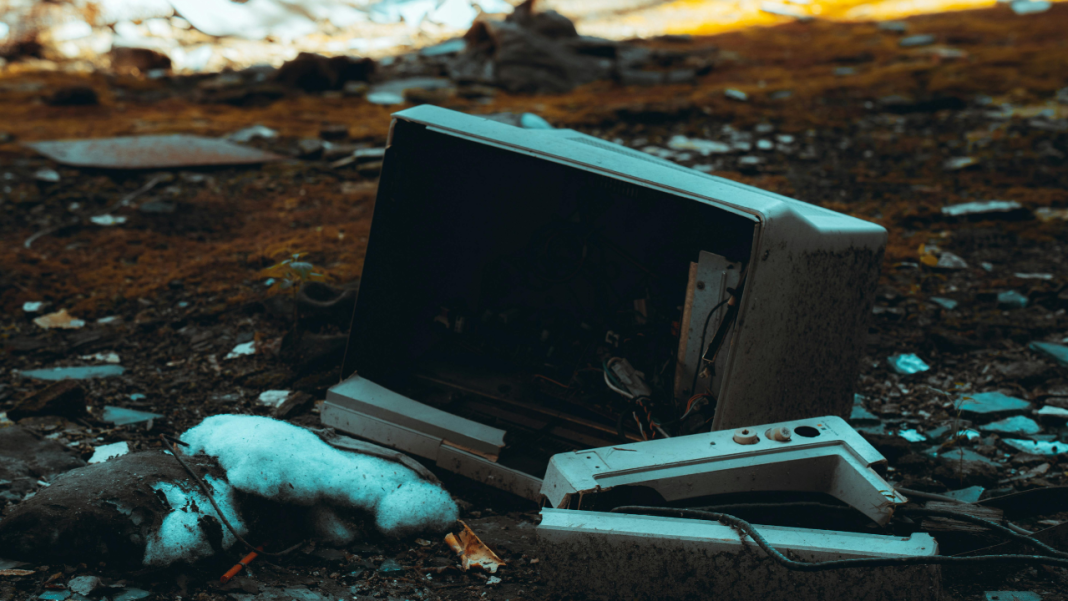

In a world where new smartphones, laptops and smart gadgets arrive sooner than we can handle, convenience has become our most irresistible addiction. Every single notification ping, voice-activated assistant and swipe on a touchscreen reminds us of how deeply technology has cooked its way into our daily lives. Behind the high of instantaneous connectivity and ease of use in efficiency lies a rising crisis that very few stop to consider, which is electronic waste, more popularly known as e-waste.
Every upgrade and every discarded device contribute to mountains of toxic and valuable materials piling up in landfills across the globe. What began as a race toward modern convenience has silently turned into a global environmental and social emergency, one that dares us to reconsider not only how we consume technology but also what we think it’s actually worth. While our digital lives offer incredible convenience, there is a problem that has been hidden behind all that ease, a problem that has been steadily increasing.
An estimated million tonnes of e-waste are disposed of every year in the world, but the current estimate suggests that the 2022 global e-waste amounted to 62 million tonnes, and this may escalate significantly during the upcoming decade. Although e-waste consists of precious commodities, only a small fraction of them is disposed of through proper channels; the remaining parts are directed to scrap yards, polluting land and water with hazardous materials.
Although the headlines talk about a serious problem, it actually stems from the design of modern electronics. Many products are designed to have a short lifespan with proprietary components and designs that are hard to fix, pushing people to consider a replacement device instead of trying to fix or upgrade an older one.
However, it’s not only increasing because of the consumption of more devices; there are some other factors as well, like shorter lifespans of goods, upgrade trends and purchasing the newest item contributing to the waste, where none of them have a proper recycling channel.
Unfortunately, one of the paradoxes of e-waste is the presence of toxic and non-toxic elements together that can cause harm to the surroundings if not disposed of carefully, as electronics are known to have large amounts of precious materials which are expensive to mine and harmful to the ecosystem. The extraction of these materials using proper recycling methods could help ease pressure on natural resources, although most of them are left unused due to a lack of proper infrastructure.
The problem of e-waste also has a very unfair global perspective to it, as a major amount of the e-waste from around the globe, especially from developed countries, tends to be shipped over to developing nations for disposal or recycling. These people then take apart the e-waste without wearing any sort of safety equipment or gear in order to access the toxic substances inside. This export of waste underlines a broader ethical dilemma: those who consume most of the world’s technology often don’t deal with the consequences of its disposal. Even when international rules exist, enforcement is inconsistent, and loopholes allow hazardous materials to bypass safeguards.
E-waste isn’t just about mountains of discarded products; it’s about how those are made, used, and ultimately discarded. Addressing this crisis requires a shift in mindsets. By reimagining how technology is created and valued, we can begin to transform e-waste from a looming disaster into an opportunity for innovation, resource recovery, and environmental justice.
Ultimately, our e-waste problem reflects how we embrace technology as a whole. Though technology has certainly led to a revolution through convenience, it also has a price that is yet to be paid, and that price is far greater than that received when one pays their electricity or water bills. The solution is not to get rid of technology, it is simply a different approach.