
Fashion has always moved in cycles, but the shift taking shape as 2026 approaches feels less like a gentle turn and more like a sudden change of direction. Following years of pared-back wardrobes and carefully muted tones, the industry seems poised to make a significant impact once more. On catwalks and city streets alike, colour is back in force, embellishment is unapologetic, and subtlety, for now at least, has taken a back seat.
For much of the early 2020s, restraint dominated. Neutral palettes, clean lines and discreet luxury became shorthand for taste and good judgement. That aesthetic made sense at the time. In a period shaped by uncertainty, many people gravitated towards clothes that felt calm, safe and practical. But fashion rarely stays still for long, and the appetite for understatement has begun to fade.
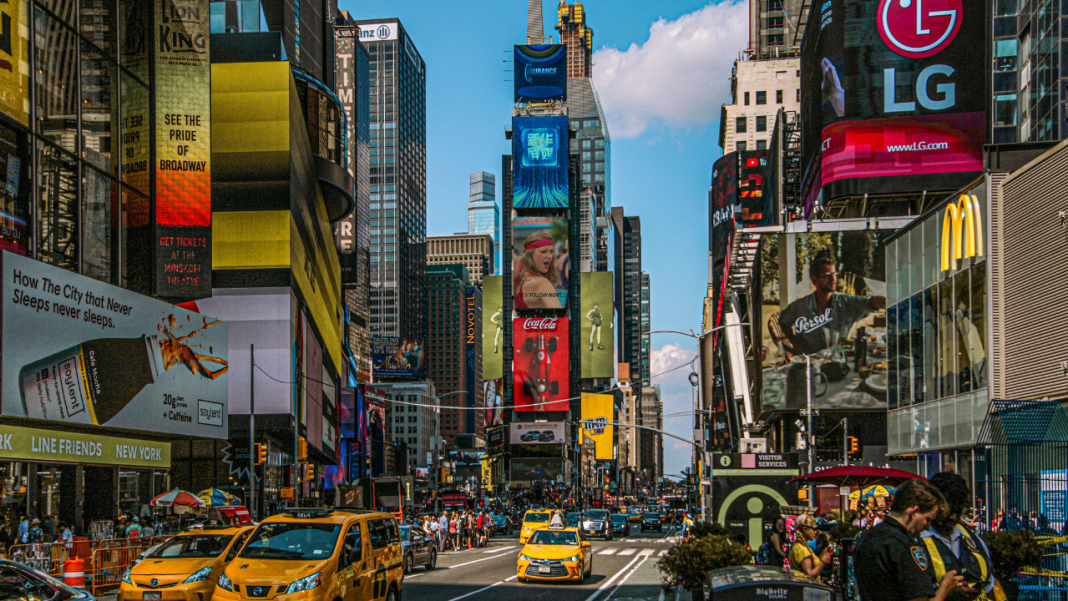
What has replaced it is a far more expressive mood. Bright shades that once felt risky are now being worn with confidence, often clashing together rather than carefully coordinated. Vivid pinks, electric blues, and sharp greens are turning every outfit into a statement. The effect is deliberate. These are not clothes designed to blend in, but pieces that announce themselves the moment someone enters a room.
Along with colour, detail has returned in a big way. Tassels, fringes and decorative finishes are no longer limited to niche styles or special occasions. They swing from sleeves, line the hems, and add movement to garments that might otherwise feel simple. There is a sense of playfulness to it all, a reminder that fashion can still be joyful rather than purely functional.
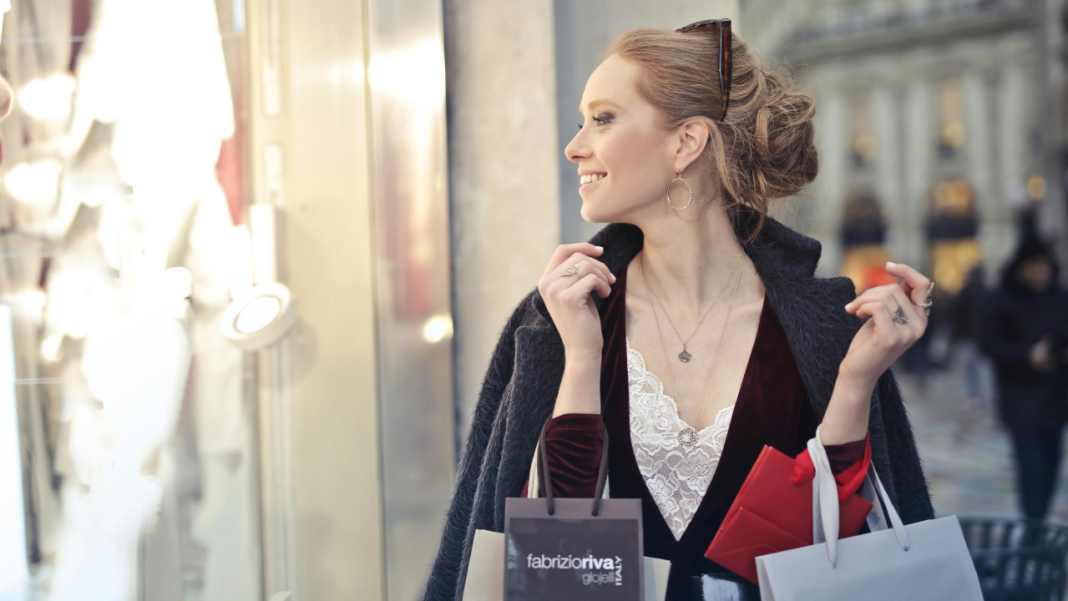
This renewed confidence has also reshaped ideas of luxury. For several seasons, impeccable tailoring or fabrics, recognised only by those in the know, quietly signalled wealth in fashion. Now, luxury is becoming visible again. Logos are worn openly, textures are richer, and accessories are designed to stand out rather than disappear into an outfit. It is less about discretion and more about presence.
All of this transformation has been especially driven by young consumers, who have little patience with the desire to blend into the background with a slick yet predictable look. Instead of focussing on status, they perceive fashion as a way to express one’s personality and mood. Social media culture plays a part here. It rewards boldness over subtlety. In a community where everyone is always on show anyway, there’s a certain strength that comes with wearing loud fashion statements.
Not everyone is convinced. Some critics argue that embracing excess risks crossing from innovation to novelty, where clothes are made to provoke rather than last. There are, of course, concerns surrounding sustainability, especially where trends veer ever more towards the dramatic and the fleeting.
Still, for many, this moment feels refreshing. Years of dressing sensibly mean that there is a sense of liberation in clothes that are more relaxed. Stores are being equally swift in response, packing lines with more vibrant ranges. Even more mundane pieces are being given an overhaul, with added colour being used on objects that were purely functional.
What stands out most about this trend is how it reflects the overall mood. Fashion tends to be either protective or provocative in uncertain times. Currently, it feels firmly defiant. Clothing is being used to project optimism, confidence, and even humour, pushing back against the idea that good taste must always be quiet or restrained.
Whether this louder, more expressive phase will last is impossible to say. Fashion history suggests another turn will come, as it always does. For now, however, colour, movement, and visible luxury are enjoying their moment. In doing so, they are reminding people that dressing well does not have to mean dressing small — sometimes it can mean taking up space.