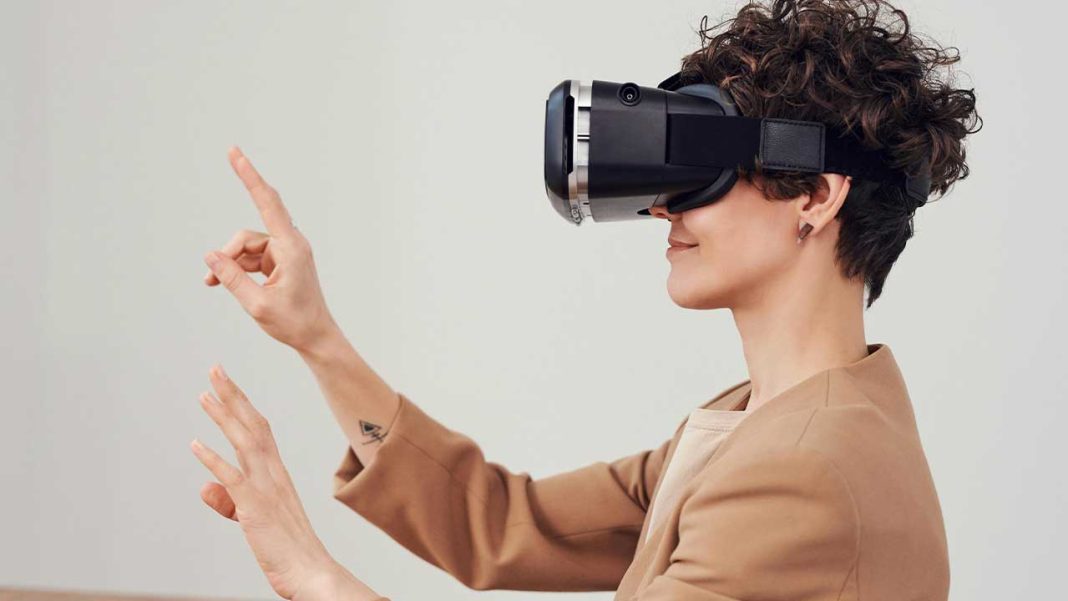

Zara’s AI-powered Virtual Fitting Tool exemplifies how technology is genuinely transforming the way people shop for clothes. By granting opportunities for users as well as shoppers to upload a headshot or a full-body image, the tool starts to create a realistic digital representation that shows what garments look like when worn. This amazingly removes any uncertainty and troublesome confusion when it comes to sizing and appearance that often comes with online shopping. Powered by both artificial intelligence and computer vision, the system analyses body proportions and garment details to simulate fit and movement, giving shoppers greater confidence in their purchases without the need to visit a store physically.
A very similar approach has been carried out through platforms like Groc Imagine, which uses AI to transform user images into interactive digital avatars or bots. Like Zara’s tool, Groc Imagine can apply clothing to a user’s image, allowing them to visualise outfits before buying or purchasing them. However, Groc Imagine places strong emphasis on responsible AI use by banning the generation of explicit images. These safety features make sure that these tools are safe for all users, in all age categories. In the fashion world, this kind of moderation is especially important, as it mostly helps maintain professionalism all the while preventing misuse of any image-based AI.
The positive impact of this approach for fashion and consumers is significant. With AI-powered virtual fitting and intelligent clothing bots, people can effectively turn their homes into personal fitting rooms. Shoppers no longer need to travel to stores, wait in lines, or struggle with crowded changing rooms. Instead, they can explore styles, test outfits, and receive personal recommendations from the comfort of their space. For brands, the change means fewer returns, better size accuracy, and stronger customer trust. For consumers, it offers convenience, accessibility, and a more tailored shopping experience.
At the same time, however, this shift does raise important questions about what may be lost in the process of AI slowly emerging in the fashion industry. Fashion has always been more than just clothing, as one can say it is mostly an experience. Visiting stores, feeling fabrics, trying on outfits with friends, and discovering pieces unexpectedly all create the joy and emotional connection people have with fashion. Virtual fitting tools, while practical, cannot fully replicate this excitement of searching through racks and hangers or finding an amazing deal as you scavenge through while hours go by. Engaging with sales staff and observing oneself in a mirror under natural lighting are also significant aspects of the fashion experience. We can observe that shopping is becoming increasingly digital with each passing minute.
Ultimately, AI tools like Zara’s virtual fitting system as well as Groc Imagine’s image-based fashion bots highlight both the promise and the limitations of technology when it comes to fashion. They offer safer, smarter, and more convenient ways to shop while promoting responsible AI use through content restrictions. However, they also remind us that fashion’s magic, joy and true experience lie not only in efficiency but also in creativity, discovery and also human experience.
So even though we can turn our homes into digital fitting rooms, it is important to keep in mind its disadvantages, or cons, even with its advantages. Weighing out both sides, one can see that the real solution is to find a balance between these options. In the end, fashion tools which are driven by AI are best not used as replacements but better as additions to the fashion experience. While they bring comfort, safety, and convenience into our homes, physical stores continue to offer emotion, creativity, and connection. When balanced well, technology and tradition together can shape a fashion world that is both innovative and joyful to the average shopper, or even, in some cases, shopaholics.