
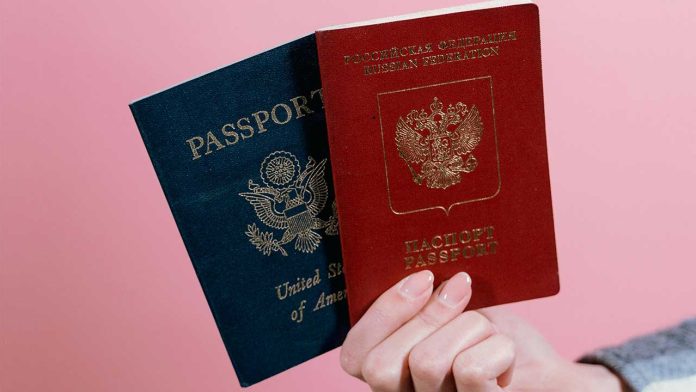

The world is currently moving through a period of setbacks that includes political crises and economic instability, besides an increase in travel bans. As such, there seems to be a growing preference among British nationals for investing in dual citizenship. This preference benefits investors, who demand more freedom, stability, and intercultural connections.
Former British movie star George Clooney, once famous as Batman, also gained French nationality. The French legally recognised Clooney’s distinguished service in the global entertainment sector by awarding him dual citizenship. Similarly, the second passport race seems to be catching up globally, as a hallmark of the 21st century.
Precise quanta seem yet a challenge to ascertain. There appears to be a rise in demand for dual citizenship across the globe. Census data published in the UK in 2021 indicates that 2.1% of the population in England and Wales moved with multiple passports. When comparing with a decade before in 2011, it was only 2%.

The tendency cuts across different categories. Permanent immigrants prefer to retain connections & identities in their original countries. International elites prefer to increase their mobility rates. Besides this, average citizens seem to prefer moving with a safety net, especially during periods of political unrest.
In late 2025, a Gallup poll indicated that 1 in every 5 Americans showed a preference to emigrate. This preference was particularly reflected amongst women in the age bracket of 15-44, who strongly indicated desires in global mobility.
Conventionally, dual citizenship has been a favoured preference among immigrants who naturalise in the new country while retaining their original nationality. In more recent times, high-net-worth individuals have adopted this option as a business investment besides a travel tool. The present geopolitical situation has extended this appeal.
So increasingly, high-net-worth people seek second passports. They aren’t for travel alone, so they tend to move with insurance policies to mitigate risk against political instability, financial shocks, besides anti-democratic policies.