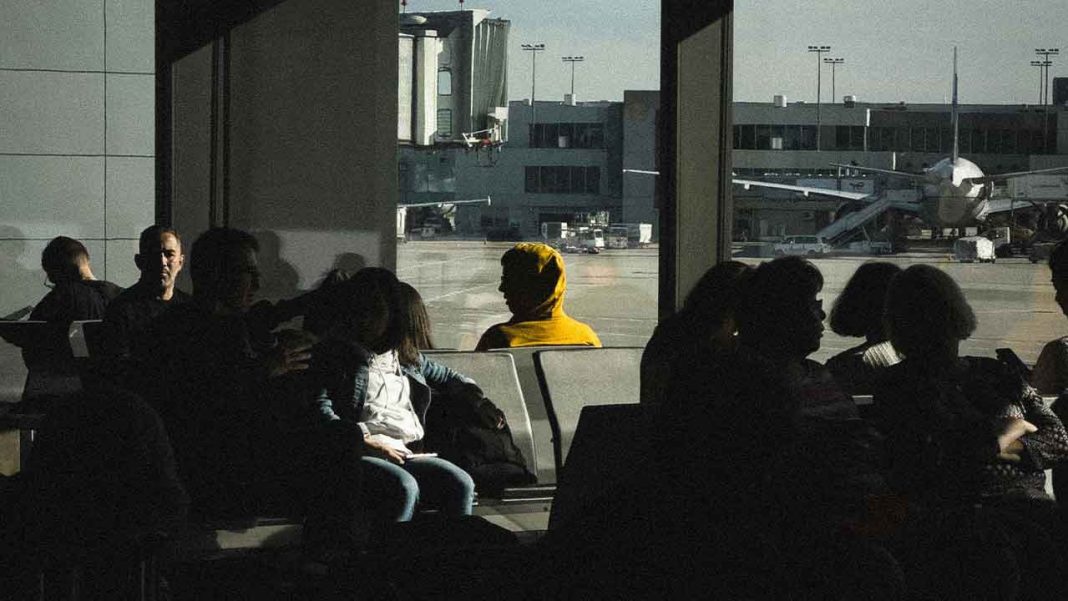

Hundreds of flights and thousands of people were impacted dramatically by one early morning of scheduling chaos that travelled throughout all of Australia’s air travel systems. Six major airports experienced more than 741 scheduled delays and 20 cancellations, resulting in a tremendous amount of travel confusion as customers attempted to find new connections, when possible, to retrieve a new ticket, or to get answers about the situation.
The impact on customers was not uniform. Tullamarine Airport, located in Melbourne, had a significant impact, with 218 delayed flights and 4 cancelled flights—turning what should have been a quick and easy process for most families and business travellers into a long delay filled with anxiety and frustration. Sydney also had a serious impact, as the country’s busiest airport reported 200 delayed flights and 8 cancelled flights, causing even more significant disruptions with domestic and international connections.
In Queensland and South Australia, delays were apparent, as Brisbane had 139 delays and three flights cancelled, and Adelaide had 72 delays and two flights cancelled. Perth in the west did not have any cancellations but did experience 94 flight delays, and the Gold Coast, a popular tourist destination, experienced 18 delays as well as three cancelled flights. Overall, all major airports experienced delays.
According to analysts in the industry, these numbers reflect more than just a temporary inconvenience; they demonstrate an almost fully utilised domestic transportation system. Passenger numbers are almost back to pre-COVID levels, but on-time performance has not rebounded as quickly. Therefore, even a slight disruption caused by something minor affecting flights, such as crew scheduling or an aircraft that was delayed in transit due to an isolated weather event, can propagate through a tightly scheduled public transportation system, resulting in significant delays beyond the original ones.
This incident has flooded travellers with practical issues like re-booking, overnight accommodation, and understanding their consumer rights. Australian regulatory authorities, as mentioned in the coverage of this situation, have alerted affected travellers to the protections afforded to them and the obligations of airlines to fulfil their responsibilities to affected customers in a timely manner or provide alternative remedies when there is disruption. However, during times of great disruption, the existing resources of these organisations may become overwhelmed by the number of people accessing customer service desks or calling customer service lines, creating an overwhelming situation for the customer that only complicates their experience with the airline.
In addition to the immediate frustration experienced at the airport terminal, this incident has greater financial implications within the community. The cancellation of business meetings, the shortening of tourism itineraries and the lack of hospitality bookings have all resulted in significant financial loss for the local economies. The current strategy for airports and airlines is to address the immediate situation by implementing short-term fixes, such as repositioning aircraft, redeploying crews, and rescheduling flights, while addressing the issue of better slot management, improving air traffic flow, and investing in operational resiliency to support the long-term solution.
Despite the chaos of air travel, there is a lot of irony in it. The history of air travel has shown that air networks grow denser over time, as the number of airports increases and the air travel systems become increasingly efficient. As a result of efficiency, the air travel networks will become more fragile. In the case of Australia, the long domestic regions and the Sunbelt resort locations are compounded by a small number of hub airports, compounding this effect. In other words, an increase in efficiency also creates an increase in vulnerability.
When something happens that disrupts an air travel network, what can consumers do? Travel experts recommend adding extra time to connections, frequently checking the flight status with the airline rather than a third-party aggregator (the airlines will often update their own internal system before the third party gets the update), and having important documents and medications in your carry-on baggage. The situation is an operational lesson for airlines and regulators, as they should ensure they are willing to invest in creating more resilient air travel networks in addition to providing capacity for air traffic. Investing in the ability to create more flexible rosters, making more aircraft available for contingencies, and developing smarter systems for airport slot allocation will help reduce the impact of similar occurrences in the future.
For now, passengers are waiting to leave on their flights or rebooked flights, and they are waiting for an actual apology to come. The chaos this morning continues to show us that air travel today is a technical marvel connecting cities from one end of the earth to the other, but at its core, it still relies on a complicated dance of people, machines, and weather. Failure in this dance results in hours of inconvenience, with plan cancellation and stressed-out individuals bearing the cost.