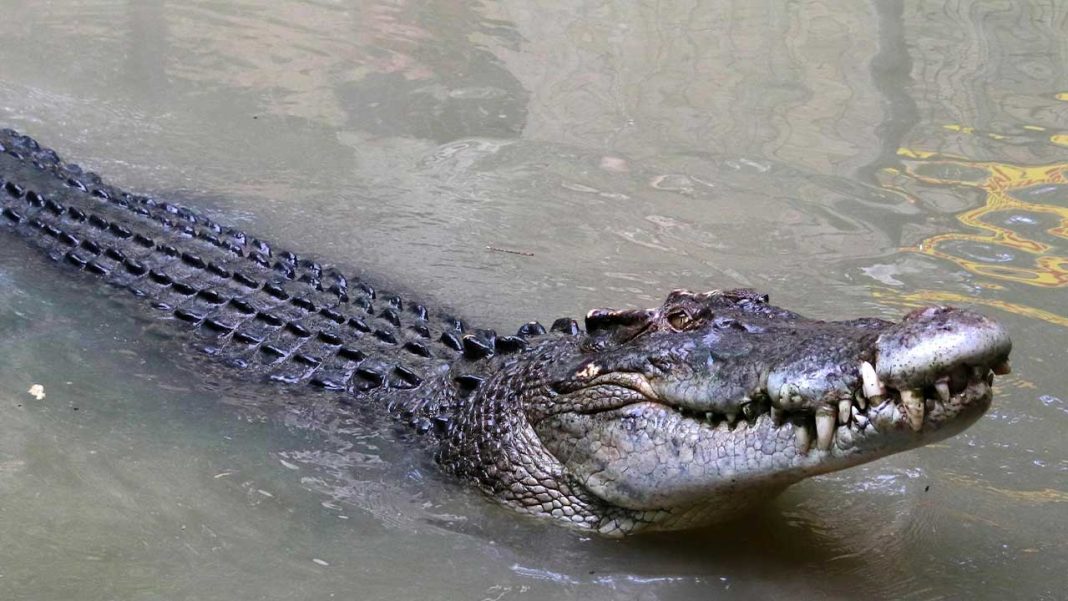

Heavy floods in Southern Africa have killed over 100 people this year. Hundreds of thousands lost their homes. Families struggle for food and clean water, while crowded shelters face a risk of spreading cholera and other diseases. Floodwaters have also driven crocodiles into towns. As we know, Zimbabwet reported over 70 deaths, and South Africa around 30.
Earlier this month, heavy rains caused rivers to overflow, forcing the evacuation of hundreds of people from Kruger National Park. In southern Mozambique, 13 people have died, including three killed by crocodiles. The Limpopo River and other waterways spilt over, spreading crocodiles into new areas. Henriques Bongece, the secretary of Mozambique’s Maputo province, confirmed that South Africa was the source of the animals and cautioned people against approaching still water. Moamba near Maputo saw one crocodile attack, while Gaza province saw two more. Recent years have seen an increasing frequency of extreme weather in Southern Africa, including droughts, cyclones, and heavy rains.
Officials say the current floods in Mozambique are the worst since 2000, when about 700 people died. Authorities have displaced nearly 400,000 people, with helicopters rescuing many from trees and rooftops. Even though rainfall has stopped in some areas, water levels are still rising as rivers carry water from South Africa.
Large areas are still underwater, and the main N1 highway in Mozambique is closed. Aid workers warn of cholera and other diseases in temporary shelters housing almost 100,000 people. Many camps have no toilets or garbage disposal, which raises health risks. Floods destroyed about 60,000 hectares of farmland and killed more than 58,000 livestock, threatening food security. Funding for aid is slow and smaller than in past disasters, as many countries have cut their aid budgets. In South Africa, the government has set up a recovery fund for Kruger National Park.
Environment Minister Willie Aucamp said repairing roads, bridges, and other damaged infrastructure could cost up to 700 million rand (£32 million).