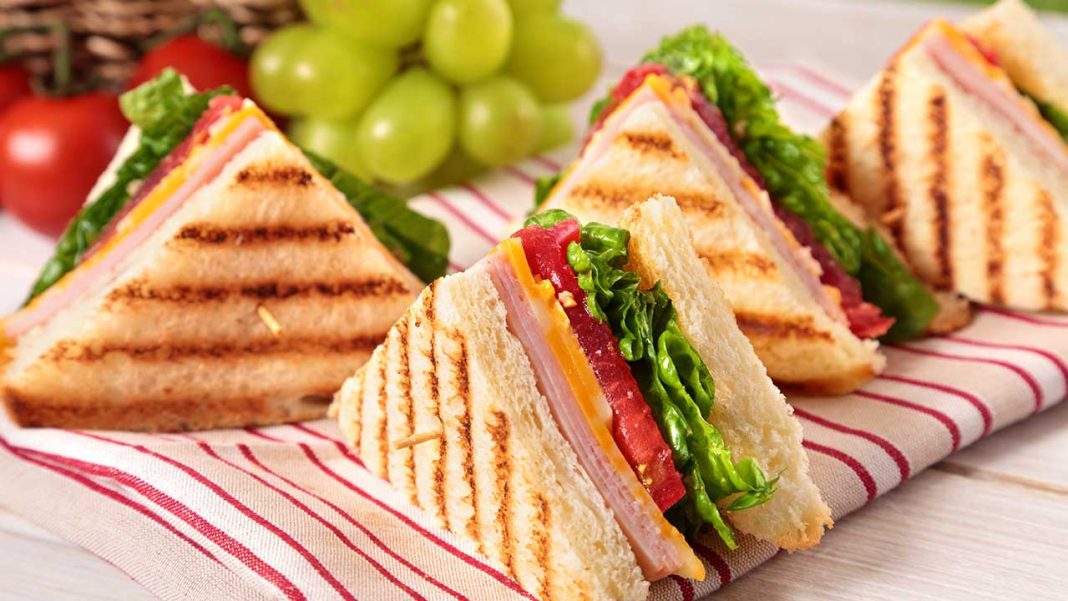

Sliced bread with a filling what we commonly call as a sandwich is often treated as Britain’s most enduring culinary export. This snack packed with efficiency has long escaped its narrow definition. Across the Commonwealth, we see the sandwich now being folded into flatbreads, rolled into chapatis, tucked into buns, grilled on street carts or eaten standing up in the heat of cities far from any English tea room. Yet there is something that binds these varieties together. It is not the bread type or filling, but it is the function. Sandwiches are portable, a filling meal, affordable and deeply local.
Sandwiches are rarely neutral in Commonwealth countries. Labour and class, colonial encounters and postcolonial reinvention, migration and adaptation – the sandwich speaks of all of these. It is the food of commuters, dockworkers, students, vendors and night-shift workers. Eating a sandwich, in many of these places, is like eating history compressed between two hands.
Britain: Utility as Tradition
In the United Kingdom, the sandwich keeps its original promise of convenience. The traditional British ploughman’s sandwich made with cheddar cheese, bread, pickles, sometimes with ham has originated as a mid-20th-century reinvention of rural fare for pub menus rather than as a medieval tradition. These sandwiches evoke simplicity and restraint, values long associated with British food culture.
Somehow, the sandwich carries social codes. For instance, office workers find their energy in meal-deal sandwiches, while bacon sandwiches remain a weekend ritual. The rise of artisanal bakeries has rebranded the sandwich from necessity to a lifestyle product. Britain’s sandwiches may be orderly, but they still reflect shifts in work, taste, and class.
South Asia: Heat, Speed and Ingenuity
In India, sandwich arrived with colonial infrastructure like railways, bakeries and cantonments. But there was a quick transformation. The vada pav with a deep-fried potato fritter inside a soft bun, laced with garlic and chilli chutneys has now become inseparable from Mumbai’s identity. It is cheap, vegetarian and filling which makes it a perfect solution to urban density and long working hours.
Sri Lanka’s fish buns and egg buns tell a similar story. They come to our plate through colonial baking, but soon improved with local spices, curry leaves and cutlets. Sold at railway stations and roadside bakeries, it is the food for people on the move. Though these might not reflect café sandwiches, they are logistical solutions shaped by heat, economy and daily travel.
Southeast Asia: Colonial Bread, Local Palates
In Malaysia and Singapore, sandwiches reveal layered histories. Although, a minced-meat-and-egg sandwich cooked directly on bread called Roti John can be often traced to British influence, its seasoning and street-food preparation are unmistakably Southeast Asian. Though it is a bit messy, it is a hearty snack sold at night markets and eaten late at night by workers.
In contrast to this Singapore’s kaya toast is delicate and ritualised. This toasted bread spread with coconut jam and butter, served with soft-boiled eggs and coffee, reflects Hainanese café culture that emerged during the colonial era. This sandwich should be enjoyed slowly at breakfast tables and it bridges generations.
Africa: Street Food as Social Infrastructure
Sandwiches frequently blur into wraps and rolls across Africa. When it comes to sandwiches, this continent prioritise substance over form. Rolled around fried eggs and vegetables, Kenya’s rolex—chapati is emblematic of informal urban food systems. Cheap, customisable and cooked in minutes, it thrives where formal dining does not.
Suya sandwiches in Nigeria adapt a northern grilling tradition for city life. This communal portable evening food is made of spiced beef, sliced and tucked into bread with onions and pepper. Meanwhile, South Africa’s Gatsby is a vast sandwich filled with chips, meat and sauce, meant to be shared. Created in Cape Town by its working-class communities, it reflects abundance as solidarity.
The Caribbean: Portability and Resistance
Survival is often imprinted on Caribbean sandwiches. Jamaica’s jerk chicken sandwich condenses a cooking tradition rooted in resistance—smoking meat to evade colonial detection—into a portable form. It showcases both heritage and convenience when served in coco bread or rolls.
You will find the definition of a sandwich complicated altogether in Trinidad and Tobago’s doubles. Curried chickpeas held between fried flatbreads, doubles are eaten by hand, folded and consumed on the move. It doesn’t matter if they qualify or not as sandwiches as they represent adaptability, spice and communal street life.
Settler Commonwealths: Identity between bread
In Australia, the Vegemite sandwich is all about belonging. White bread, butter and a thin smear of yeast extract form a taste learned in childhood. It is famously divisive to outsiders, but for Australians, it signals cultural shorthand—simple, ironic, unapologetic.
In addition, coastal economies and working-class traditions are reflected in New Zealand’s fried fish sandwiches, often eaten with chips wrapped in paper. In Canada, the Montreal smoked meat sandwich usually made with peppered beef piled high on rye, speaks of Jewish migration and urban identity, becoming a national icon without losing its regional roots.
More than Food
Sandwiches are not just aspirational dishes across the Commonwealth but they are democratic ones. The sandwiches are connected with the lives of people who eat standing up, in transit or between shifts. They absorb local ingredients, adapt to climate and respond to the necessity. Even though their shapes vary wildly, their purpose remains constant.
May be the sandwich began as a convenience for an English aristocrat unwilling to leave the gaming table, yet it has since been reclaimed by the many nations and people. In the Commonwealth, the sandwich is not merely an export from ancient time, but a living form that is reshaped by hands that are far from its point of origin. When you a bite of your sandwich, pause to think of story of how people live, work and move through the modern world that lies between two pieces of bread.