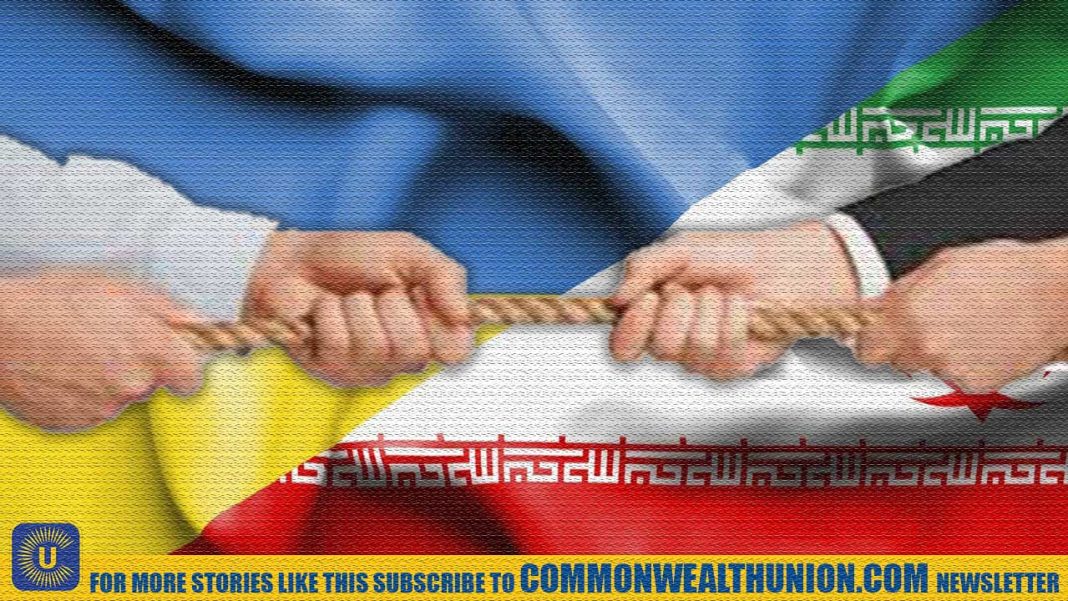

On the 29th of January 2026, Europe faced major global tensions, including Arctic disputes, the war in Ukraine, and rising conflicts with Iran.
The European Union formally designated Iran’s Islamic Revolutionary Guard Corps (IRGC) as a terrorist organization, a long‑debated step that reflects deep concern over Tehran’s brutal suppression of internal protests and human rights abuses. The decision, endorsed by EU foreign ministers in Brussels, also brought sanctions against 15 Iranian officials and six associated entities tied to serious rights violations. The move drew both praise from EU officials and sharp condemnation from Tehran, which denounced the classification as politically motivated.
In the meantime, the war in Ukraine remains a grim and central issue. Russian forces continue heavy strikes on Ukrainian infrastructure amid severe winter conditions, prompting warnings from EU foreign policy chief Kaja Kallas that Moscow is attempting to “bomb and freeze” the country into submission. In response, Brussels signaled a new €145 million package of humanitarian aid focused on heating, shelter, food, and healthcare, highlighting ongoing solidarity even as Ukraine’s prospects for swift EU accession remain contested among member states.
Another flashpoint emerged over Greenland, where U.S. strategic interest, decreased by comments from U.S. officials about Arctic defense and potential influence, has stirred diplomatic unease in Europe. Danish King Frederik is set to visit Greenland in February to reassure locals worried about sovereignty pressures. European leaders, including those from Poland and Germany, have staunchly defended Denmark’s right to decide the territory’s future and have called on Washington to respect NATO allies’ autonomy.
On the broader arena of Western defense and alliances, German Chancellor Friedrich Merz cautioned about the global challenges and urged Europe to fortify its strategic stance. While reaffirming commitment to transatlantic ties, he suggested Europeans might explore “shared nuclear umbrella” discussions alongside U.S. protections, a sign of shifting security thinking in Berlin and Brussels.
And as Europe continues to try and navigate these intersecting crises, from Arctic geopolitics to war at its eastern border and tensions in the Middle East, leaders are now pushing for greater unity while managing complicated relationships with the United States and Russia. Challenges continue to remain deep, as one can clearly see, but the EU’s evolving responses reflect a moment of recalibration in a turbulent geopolitical landscape.