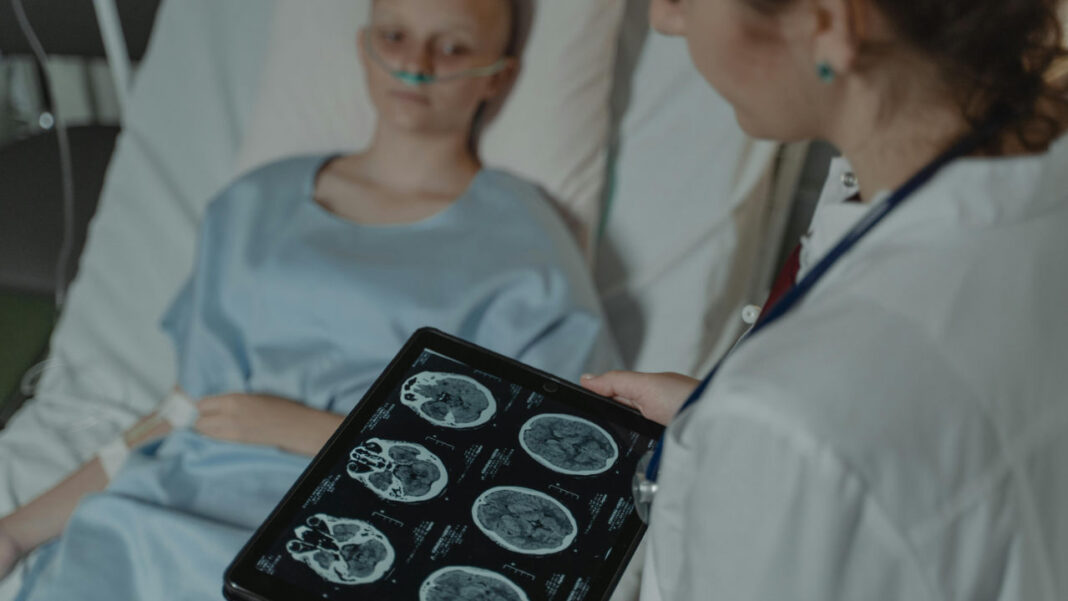

A new study has found that individuals who survived cancer during their teenage years or early adulthood may experience faster aging compared to their peers who have never had cancer. The research was published in the journal Nature Communications. It explains that this faster aging happens not only inside the body at the cellular level but also in the brain, affecting memory, attention, and the ability to process information.
The study was led by AnnaLynn Williams, PhD, from the University of Rochester Wilmot Cancer Institute. Kevin Krull, PhD, from St. Jude Children’s Research Hospital, served as co-corresponding author. The researchers had previously shared related findings in 2022 at the American Society of Hematology meeting, and this latest work expands on that earlier data.
The research focused on adolescent and young adult cancer survivors. Many of these individuals are still building their lives. They may be completing their education, starting careers, becoming independent, or planning families. According to the study, changes in brain health can make these important life steps more difficult.
Williams explained that survivors often face a “perfect storm” of challenges. Because of cognitive problems linked to faster aging, many survivors have poorer educational and employment outcomes compared to their brothers and sisters. The study encompassed approximately 1,400 patients receiving treatment at St. Jude. All participants were at least five years past their cancer treatment, and some had survived for decades. Most of them had been treated for acute lymphoblastic leukemia (ALL) or Hodgkin lymphoma.
Researchers discovered that survivors showed signs of faster biological aging regardless of the type of treatment they received as children. Even patients whose treatment did not directly target the brain experienced these changes. However, the results showed that chemotherapy appeared to speed up aging the most. Chemotherapy can affect DNA and cause widespread damage to tissues and cells, which may explain its strong impact.
The team also found a close connection between biological aging and brain performance. Survivors whose biological age was higher than their actual age had more trouble with memory and attention. This suggests that what is happening inside their cells may directly influence how well their brains function.
For survivors who received radiation therapy directly to the brain, doctors are especially concerned about preventing further decline. Williams said that for these patients, the goal is to stop cognitive problems from getting worse over time. There is also hopeful news. Wilmot’s ongoing research indicates the possibility of reversing some of the effects of accelerated aging. Williams said that young survivors could potentially improve their long-term health by quitting smoking, exercising regularly, eating healthier foods, and adopting other positive lifestyle habits.
“Young cancer survivors have many more decades of life to live,” Williams said. She emphasized that if accelerated aging begins early and changes a person’s life path, doctors need to act quickly. The aim is not only to help survivors live longer but also to improve their quality of life. Williams, who is also a cancer survivor herself, works as an assistant professor in the Department of Surgery at Wilmot. She is part of the Cancer Prevention and Control research program, which is known for helping survivors manage long-term symptoms.
To better understand when accelerated aging begins, Williams recently carried out a pilot study. She examined tissue and cell samples from 50 people with Hodgkin lymphoma, collected before and after treatment. These were compared with samples from 50 healthy individuals. She worked with John Ashton, PhD, MBA, director of the Genomics Shared Resource at Wilmot, to analyze the data. The goal was to find out whether accelerated aging starts during treatment or develops years later.
Other researchers at Wilmot are conducting similar studies involving women with breast cancer and older adults with leukemia. One recent study has already shown that exercise can help reverse aging linked to cancer. The National Cancer Institute funded the research, bolstering ongoing efforts to enhance the long-term health of cancer survivors.