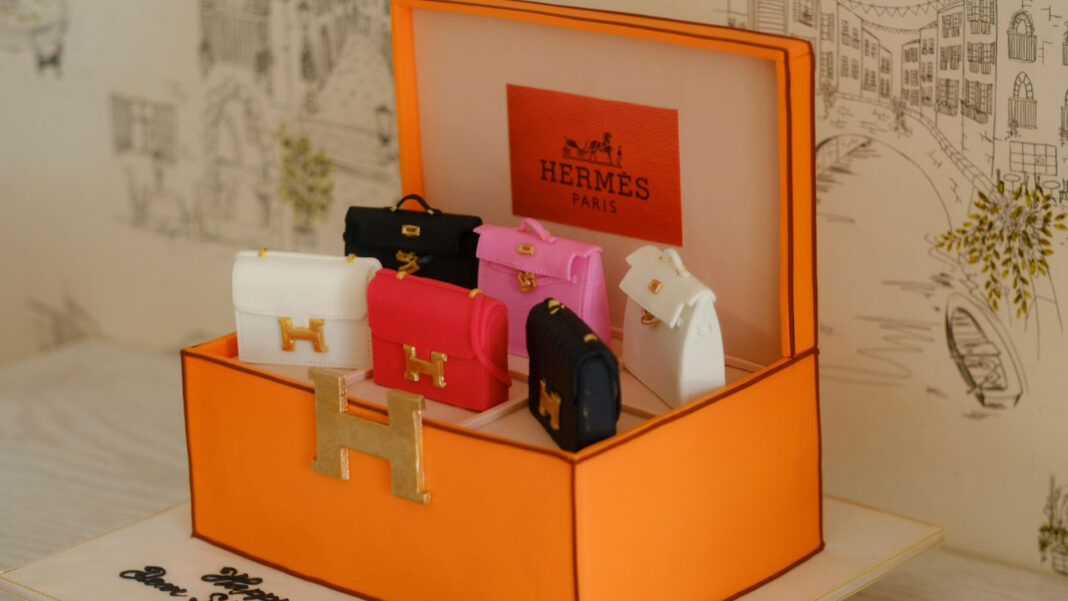

Rising inflation and volatile markets are some of the problems one could see in the current day-to-day life. However, one unlikely asset has quite quietly risen as a solution to the wealthy investors, and that is the luxury handbag. Today, certain designer bags can command prices per gram that even go above gold. These handbags are not just an item of fashion; they act as financial instruments, cultural symbols and also markers of one’s social status. Hermès, the French maison, is at the forefront of this entire phenomenon, having transformed leather goods into objects of imaginary desire.
From Accessory to Asset
Gold has long been regarded as a hedge against economic uncertainty. It is tangible, scarce, and universally recognised. Yet over the past decade, high-end handbags, particularly from Hermès, have demonstrated exceptional value retention and, in many cases, appreciation.
The secret is quite fascinating. Hermès acts very differently from other brands. Unlike the ordinary, which produces mass productions to gain as many customers as possible, Hermès deliberately limits their supply, making the buyers more interested in getting their hands on the limited-edition pieces.
Unlike other brands, you don’t choose Hermès; Hermès chooses you. Having been put on the waiting list, this brand observes you and is granted permission to obtain one of their premium pieces, only if you meet their bar.
Initially, you need to have a consistent purchasing history with Hermès. We are more likely to consider loyal clients who regularly purchase accessories, scarves, or smaller leather goods.
You may then be placed on a waiting list, which can range from months to even years for a standard Birkin or Kelly. Some rare models have waitlists that last a decade.
Some rare Birkins, especially those crafted in exotic skin or adorned with diamonds, have sold at auction for hundreds of thousands of dollars. On a price-per-gram basis, these bags can outperform gold, particularly when limited editions appreciate over time.
The Power behind Brand Mythology
This brand’s strategy when it comes to pricing is way more based on materials and craftsmanship, though undeniably both are highly exceptional. Instead, each bag is handmade by a single artisan, often requiring hours and hours of time to perfect. Its value lies mostly in the narrative. Named after a British actress and singer, Jane Birkin, it carries a story of emotional as well as cultural capital. Ownership communicates more than wealth in this case.
It signals access, taste and, more than anything, one’s special positioning. While a gold bar could represent financial security, a Birkin conveys patience, refinement and exclusivity.
While gold has been considered a safe-haven asset for the last couple of decades, these handbags have now begun to outweigh the need to invest in gold bars, as wearing a socially craved handbag on one’s arm is more priceless than any metal or its value to most rising investors. Spending millions on an exotic one-of-a-kind handbag apparently seems more enticing than having hands on a certain metal that could last generations.
Exclusivity drives demand. Customers need to establish a purchasing history, exhibit loyalty, and frequently wait for years to receive a bag offer. Limited editions, which are products produced in restricted quantities, exotic leathers, and special embellishments further elevate their rarity, creating a thriving secondary market where prices can soar. Auction results have seen certain Birkins sell for hundreds of thousands of dollars, making the per-gram value higher than gold.
Ultimately, Hermès handbags transcend fashion, combining craftsmanship, scarcity, and storytelling to create cultural and financial value. More than accessories, they signal status, taste, and exclusivity. While gold represents wealth, a Birkin or Kelly embodies patience, refinement, and elite access, making these bags coveted investments and symbols of modern luxury.