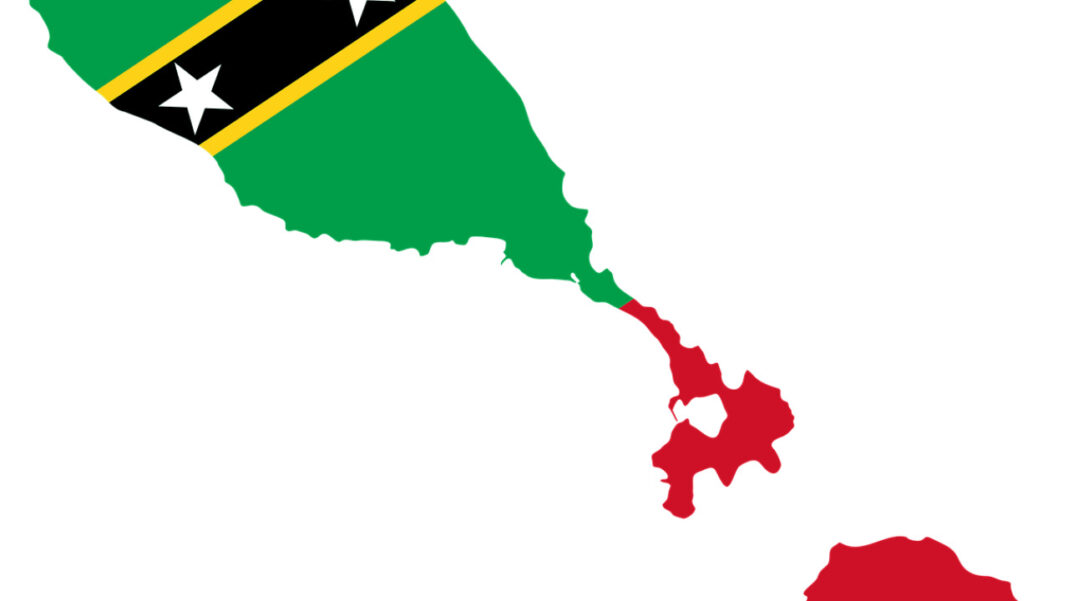

The USA’s Secretary of State Marco Rubio visited the Caribbean country of St Kitts & Nevis during the last week of February to reassert the Trump administration’s interests in the Western Hemisphere. This was just a month after the US military operation that removed then-Venezuelan President Nicolas Maduro from power.
When the eyes of the world are focused on the U.S. military build-up in the Middle East with President Donald Trump’s threats to potentially attack Iran, the State Department said that Rubio made a 1-day visit to St Kitts on Wednesday, 25 February, to participate in a summit of leaders from the Caribbean Community.
Rubio has been known to champion a greater US role in the Western Hemisphere, so he aims to keep that objective in focus. This is despite Trump’s Republican administration shifting its top foreign policy priority to Iran. American forces are massing in even larger numbers in the Middle East when compared with the run-up to the 3 January ’26 military operation in Venezuela, which captured and deposed Maduro. Maduro was kidnapped and brought to the U.S. to face charges of working with drug cartels that facilitated the shipment of thousands of tonnes of narcotics there. Maduro pleaded not guilty.
Trump’s action against Maduro has been coupled with an increasingly aggressive posture. Beyond illegal migration, the aim has been to eliminate narcotics trafficking. These issues have raised significant concerns for many people in the region. However, some small states have been supportive of these regional concerns, particularly in their efforts to collaborate on security initiatives and share intelligence to combat narcotics trafficking and illegal migration.
Trump, Rubio and others have likened the administration’s Western Hemisphere strategy to the previous Monroe Doctrine. The Monroe Doctrine rejected outside influences and asserted U.S. primacy throughout what is considered to be ‘the American backyard’.
Trump has, in the meantime, shared that his ouster of Maduro, military strikes on alleged narcotics-running vessels in the Caribbean, seizures of sanctioned oil tankers and tightened embargo of
Cuba is a key component of a Trump corollary to the 19th-century policy that Trump refers to as the ‘Donroe Doctrine’.