
A new study by the University of Bonn shows that a short-term oat-based diet can lower cholesterol quickly. The results were published in the journal Nature Communications. The study focused on people with metabolic syndrome, a combination of high body weight, high blood pressure, and elevated blood sugar and blood fat levels.
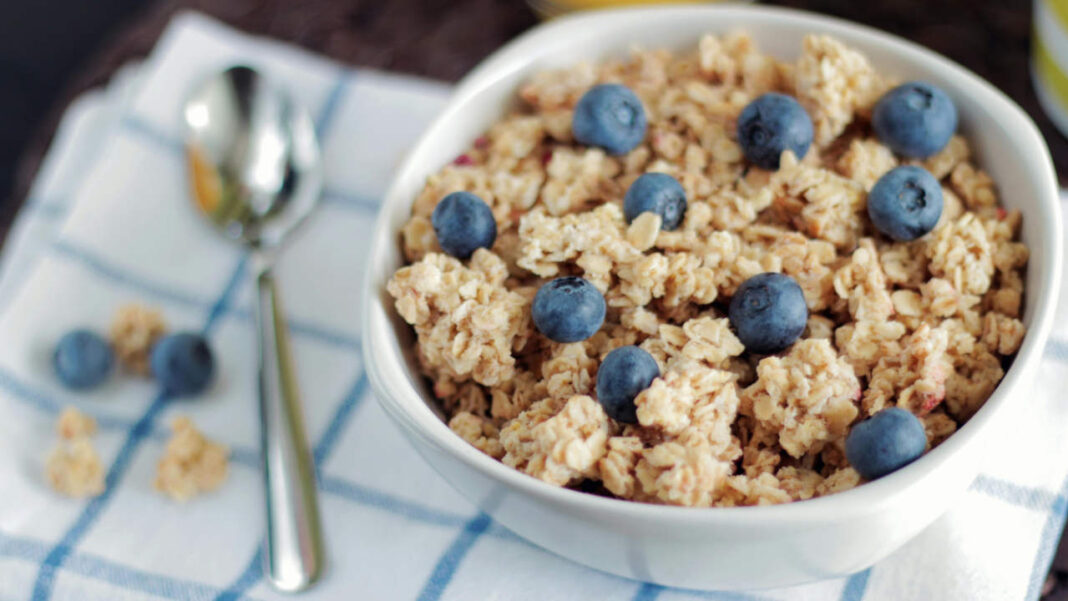
In the trial, participants ate mostly oatmeal for two days. They ate 300 grams of oatmeal three times a day, boiled in water, with only some fruit or vegetables added. They consumed about half of their normal calories. A control group followed a calorie-reduced diet without oats.
Even after two days, those on the oat diet had lower LDL cholesterol, sometimes called “bad cholesterol”. Their LDL levels dropped by about 10 per cent. They also lost an average of two kilos, and their blood pressure decreased slightly. These effects lasted for six weeks.
Why Oats Are Good for You
Oats have long been known to help with metabolism. In the early 20th century, German doctor Carl von Noorden successfully treated diabetes patients with oats. Today, medicines are commonly used instead, so oat therapy is often overlooked, despite its potential benefits for individuals with metabolic syndrome who may not yet be diabetic.
In this study, participants were not diabetic but had metabolic syndrome, which increases the risk of diabetes. Researchers wanted to see how an oat-based diet would affect these people.
How Oats Help the Body
Eating oats changes the gut microbiome, the community of bacteria in the intestines. “We found that oatmeal increased the number of beneficial bacteria,” says Linda Klümpen, lead author of the study. These bacteria help break down food and produce compounds that the body can use.
Some bacterial products enter the bloodstream and affect cholesterol and other metabolic processes. For example, phenolic compounds such as ferulic acid help improve cholesterol. Other bacteria reduce histidine, an amino acid that can increase insulin resistance, which is linked to diabetes.
Short-Term vs Long-Term Oat Intake
Interestingly, eating many oats in a short period seems more effective than eating a small amount over a long time. In a six-week study, participants ate 80 grams of oats per day without other diet changes. The results showed only small benefits. High intake for two days, combined with calorie reduction, had a stronger effect.
Researchers suggest that repeating short-term oat-based diets every few weeks might help maintain healthy cholesterol levels and prevent diabetes.
Study Details
A total of 68 people joined the trial. For the two-day oat diet, 17 participants completed the study, along with 15 in the control group. Some participants dropped out of the trial due to personal reasons. For the six-week study, 17 participants per group finished.
Both studies were randomised controlled trials (RCTs). This means participants were randomly divided into groups. One group received the active treatment (oats), and the other did not. In nutritional studies, participants often know what they are eating, so “blinding” isn’t always possible. But the blood and stool analyses were done blindly, so researchers did not know which samples came from which group.
Measurements and Tests
Before starting, researchers collected blood and stool samples. They also measured weight, height, waist size, body fat, and blood pressure. Tests were repeated after the two-day oat diet and again after two, four, and six weeks. For the six-week study, the same measurements and samples were collected.Blood tests focused on LDL cholesterol and a compound called dihydroferulic acid. This molecule is produced by gut bacteria and is thought to help metabolism. Stool samples were analyzed for 16S RNA, which is unique to bacteria. This allowed scientists to identify the types of bacteria present and their metabolic products.
The study shows that a short oat-based diet can help lower cholesterol. It may also reduce weight slightly and lower blood pressure in people with metabolic syndrome. Gut bacteria play an important role by making helpful compounds. These compounds support metabolism. Doing this diet regularly could be an effortless, natural way to stay healthy and reduce diabetes risk. Future studies will check if repeating the diet every few weeks gives long-term benefits.