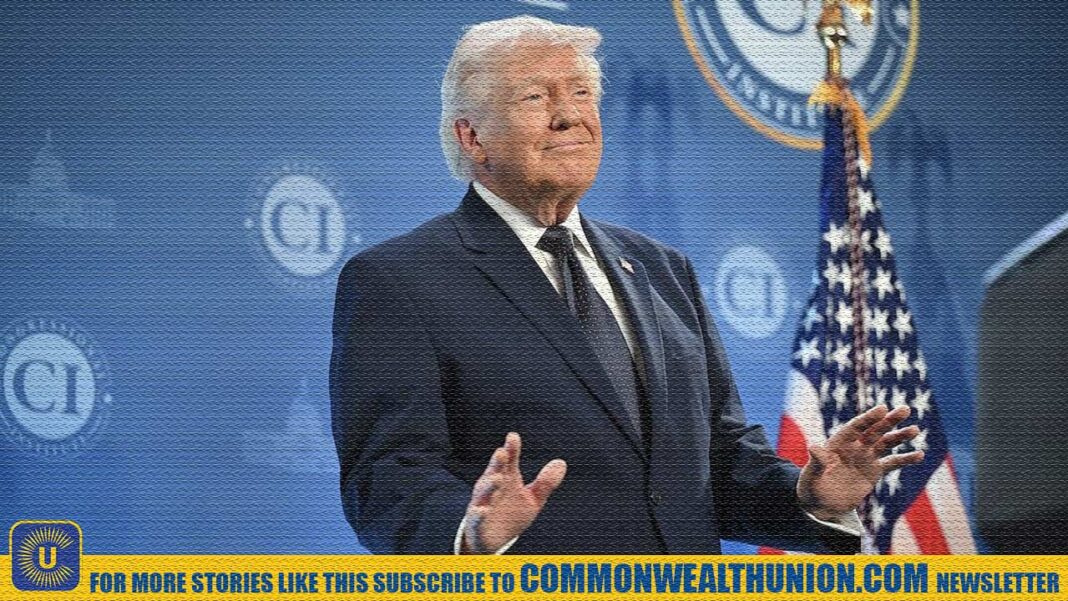


US President Donald Trump has made strong remarks about Cuba, saying he thinks the United States could “take control” of the island in some way. His words come as talks continue between the two countries, raising concern about the future of US-Cuba relations.
Speaking to reporters on Monday, Trump said he would consider it an “honor” to take Cuba and claimed he could “do anything” he wanted with the country. His remarks come at a time when the United States and Cuba are actually holding talks to improve their difficult relationship.
The two countries have had tense ties for decades, especially since the 1959 revolution led by Fidel Castro. Despite these talks, Trump’s statements suggest a much tougher approach. Cuba is currently facing a serious economic crisis. The situation has become worse due to an oil shortage after the United States blocked fuel supplies, especially from Venezuela, which was Cuba’s main source of oil. This has led to major problems across the country, including long power cuts and a near shutdown of economic activity.
Recently, the national power grid even collapsed, leaving millions of people without electricity. Reports also say that the United States wants Cuban President Miguel Díaz-Canel removed from power as part of any agreement. American officials have reportedly made the need clear during discussions, although they have not said how it should happen.
Cuba strongly rejects any outside interference in its politics. It views such demand as unacceptable; President Díaz-Canel says Cuba is open to talks. But they must be based on respect, equality, and national sovereignty. He stressed that Cuba will not accept pressure or conditions that threaten its independence. Meanwhile, Trump has stepped up pressure on the island. He has stopped oil shipments and warned other countries not to supply fuel to Cuba, threatening them with tariffs if they do. He has also hinted that Cuba could be the next focus of U.S. action, although he said the situation with Iran would come first.
For many years, the United States has criticized Cuba’s government but has avoided direct military action. After the Cuban Missile Crisis in 1962, Washington agreed not to invade the island. Now, Trump’s recent comments raise new questions about whether that long-standing position could change, although no clear legal plan for intervention has been explained. Cuba has not officially responded to these latest remarks.