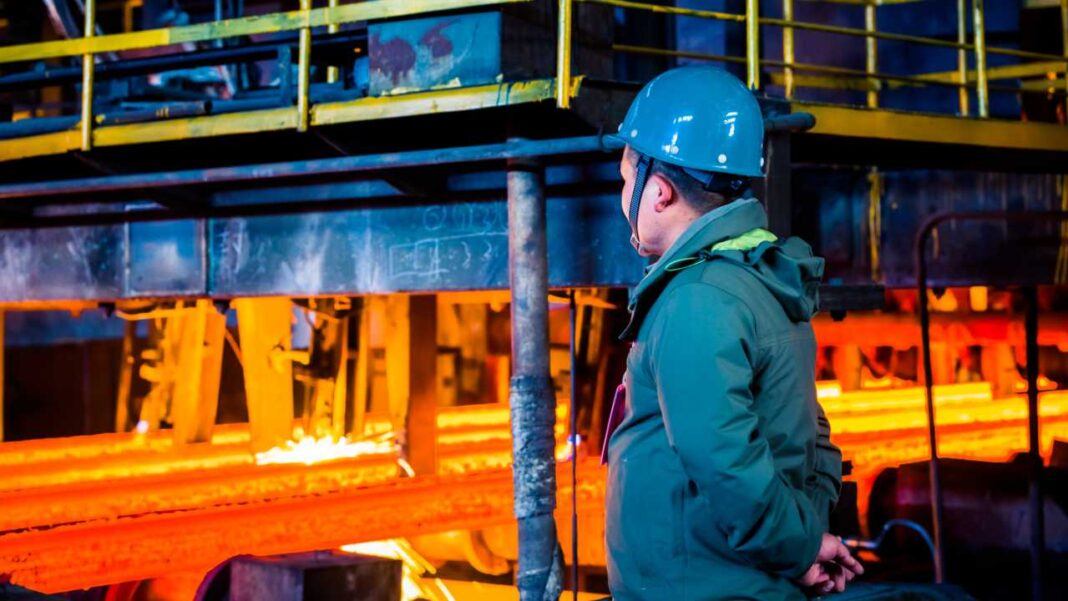

(Commonwealth_Europe) The UK government is making a concerted effort to bolster its steel industry, and there is a noticeable sense of urgency behind this initiative. For years, British steelmakers have been under pressure, squeezed by cheaper imports and rising costs at home. The government is now more involved, saying it wants half of the steel used in the UK to be made there.
To achieve this goal, the government is also making foreign steel less appealing. Import limits will be cut, and any steel brought in above those limits will face a hefty 50% tax. The idea is to give local producers some breathing room—to make sure they’re not constantly being undercut by cheaper steel from abroad.
If you’re in the steel industry, the increase feels like long-awaited support. Many companies have been warning for years that without some kind of protection, they simply can’t compete. So from their point of view, the move is less about special treatment and more about survival.
But outside that industry, the reaction is more mixed. Steel isn’t just something that sits in factories—it’s used everywhere, from buildings and railways to cars and appliances. So if imported steel becomes pricier, businesses that rely on it might have to pay more. And when their costs go up, those increases often trickle down to customers. In other words, something as technical as a tariff, which is a tax imposed on imported goods, could eventually affect everyday prices.
The announcement came from Peter Kyle during a visit to Port Talbot, a town that’s become symbolic of both the struggles and the future of British steel. There, Tata Steel is building a new type of furnace that melts scrap metal instead of using traditional methods. It’s cleaner, more modern, and part of a bigger shift toward making the industry more sustainable—not just keeping it alive, but reshaping it.
The government is keen to stress that it’s not trying to shut the UK off from the world. Plans are in place to ease the transition, ensuring businesses don’t face unexpected costs. But at the same time, officials are clearly trying to draw a line—they want to protect the industry from what they see as unfair global competition, which they believe could undermine local businesses and lead to job losses in the sector.
Critics aren’t fully convinced. Andrew Griffith and others argue that making imports more expensive could end up hurting the wider economy. Price increases could lead to a decrease in the number of construction projects. If manufacturers face higher costs, they might scale back production, leading to job losses and reduced economic growth in other sectors. So while the policy could help steelmakers, it might create pressure elsewhere.
What makes this situation more complicated is how fragile the UK steel industry has become. High energy prices have hit hard, especially compared to competitors in Europe and the US. Global production of too much steel drives down prices, making it even harder for UK firms to remain profitable. Despite robust demand, the margins can remain extremely narrow.
On top of that, the government is already deeply involved. It has stepped in to support major steelworks in places like Scunthorpe and Rotherham, paying large sums just to keep them running. So, this controversy isn’t just about policy—it’s about protecting jobs, communities, and entire local economies that depend on steel.
The industry perceives this moment as a pivotal moment. Some say the UK has lacked a clear, long-term plan for steel, even though it plays a crucial role in things like infrastructure, defence, and the shift to green energy. From their perspective, these developments could finally be the start of a more serious strategy.
Workers and unions are hopeful, but cautious. They appreciate the attention and support, but they want to know who will own the plants, what technology will be used, and if these changes will ensure long-term jobs.
In conclusion, this debate is about more than just steel. It’s approximately how much a country should trust itself against the global market, how it defends key trades without pushing up costs too much, and how it balances today’s economic pressures with tomorrow’s needs.
The government is striving to navigate this delicate balance. Whether it’s found the right balance—or just shifted the pressure somewhere else—is something that will only become clear over time.