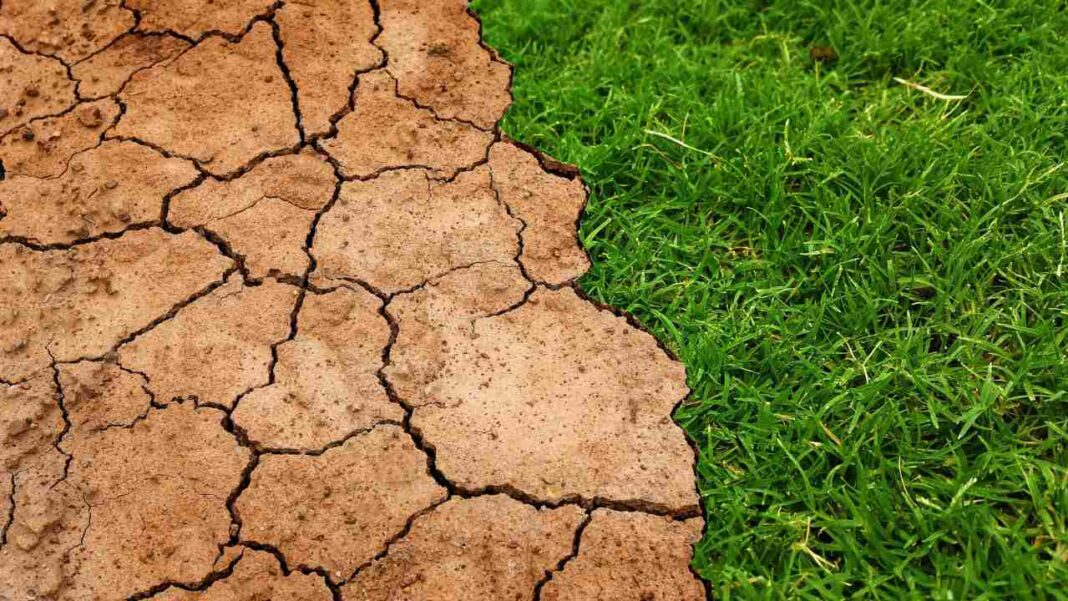

According to a new analysis, the world’s food systems are currently facing an increasing crisis as global temperatures continue to rise. As a result, the consequences of these global impacts have been borne mostly by poorer nations, even though they are the least responsible for contributing to this factor.
The International Institute for Environment and Development (IIED) conducted research and found that if the planet warms by 2°C above pre-industrial levels, the number of countries already facing intense food insecurity could triple, reaching at least 24 nations worldwide. The study critically highlights the differences between wealthy countries, which have the means and resources to adapt, and low-income states that are highly vulnerable to climate-driven disruptions.
Introducing a Food Security Index covering 162 countries, the IIED assessed four main pillars of national food system vulnerability: accessibility, availability, utilization, and sustainability. These pillars are collectively measured not just to show how much food is produced but also to determine whether people can access food, absorb it nutritionally, and sustain a healthy diet in the face of climate shocks.
Under the 2°C scenario, food insecurity in low-income countries is projected to increase by an average of 22%, while high-income countries would see just a 3% rise. Countries already facing hardship—such as Somalia, the Democratic Republic of Congo, Afghanistan, Haiti, and Mozambique—could see more than a 30% increase in food insecurity, potentially tipping them into famine conditions.
Experts stress that this is not solely due to failed crops. Climate change deteriorates food security in multiple ways: it reduces crop yields in marginal lands, disrupts markets, and drives up prices. Water systems and health services are also key factors for a nutritional lifestyle. Without them, people can still be malnourished, even if food is abundant.
While wealthier nations can absorb certain shocks by importing food or deploying social safety nets, less fortunate countries lack these resources. They are more dependent on local agriculture, which is increasingly disrupted by erratic rainfall patterns, rising temperatures, and soil degradation.
The IIED analysis comes amid a larger backdrop of climate stress on the Earth’s systems. Other studies have similarly highlighted that rising heat and other factors are threatening agricultural productivity and water supplies.
Recent years have already demonstrated these pressures: wars and conflicts have disrupted key trade routes; inflationary pressures on fertilizer and fuel have increased farming costs; and extreme weather events have led to crop losses across multiple continents. Many observers warn that without strong international cooperation, these pressures could result in further acute hunger and broader economic instability.
The need for urgent investment in climate-resilient agriculture has been emphasized by the research. Strategies include planting drought-tolerant crops, improving soil and water management, and strengthening social protection systems. Without decisive action, the report suggests that rising temperatures could make food security a permanent threat for billions of people, particularly in countries least equipped to cope with the harsh realities of a warming world.