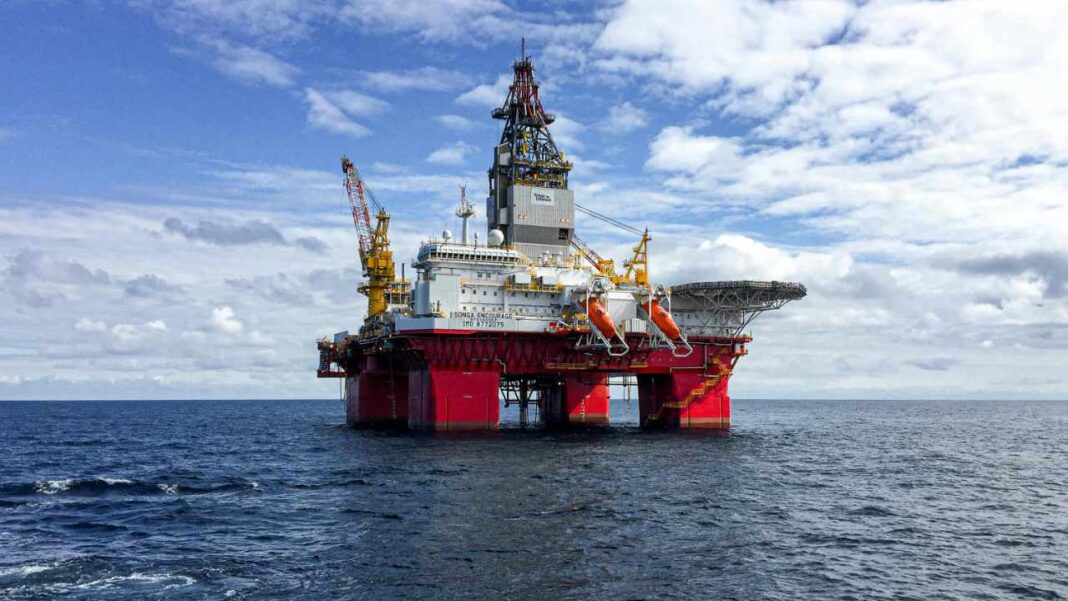

The Egyptian government has begun accelerating its efforts to pay off the $1.3 billion it owes to international oil companies by June 30, 2026, as part of an overall strategy to help rebuild trust in a sector that has suffered from a lack of foreign exchange and late payments from Egypt. According to the Ministry of Petroleum, the new timeline is shorter than previously indicated and will reduce the amount of debt owed by Egypt from a peak of $6.1 billion on June 30, 2024, to a total of $4 billion.
The short timeline indicated for settling this debt is very important. Due to the continued surge in energy prices around the world, Egypt’s energy system is currently under significant stress. For example, according to Reuters, Egypt has seen its monthly import bill for natural gas almost triple this year for the same volume of gas, compared to 1999. To compound this strain on its budget, Egypt’s domestic production of oil and gas has been in decline since 2021, increasing the need for imported oil, gas, and refined products at a time when regional commodity prices are highly volatile.
The plan for investors to bring things back to normal is more than just about accounting. The first test of whether an investor will put more money into exploration and drilling for oil and gas, or into building new infrastructure, usually comes down to whether the country will make reliable payments to investors. For Egypt’s government, a decision has been made to try to restart the flow of upstream investments in oil and gas by clearing the payments owed to past investors before new upstream projects can be built. This is particularly true for the Western Desert and the Mediterranean, where many international companies currently hold large portfolios of oil and gas leases.
Policymakers at the Central Bank of Egypt have indicated that the amount of net international reserves, as of December 2025, which is approximately $51.452 billion, is an advantage compared to previous periods of debt crises. The net reserves allow for greater flexibility in meeting external obligations and provide a foundation for establishing credible long-term expectations for conducting business with foreign companies.
Nevertheless, policymakers in Egypt face a very challenging situation: they need to pay off past debts, support the development of new oil and gas production, and protect their current foreign-currency position, all at the same time.
For Cairo, there is no doubt that they are receiving the message: respect and credibility are essential for the government of Egypt to achieve a sustainable level of energy security. This development is being initiated by fulfilling obligations that have already been created.