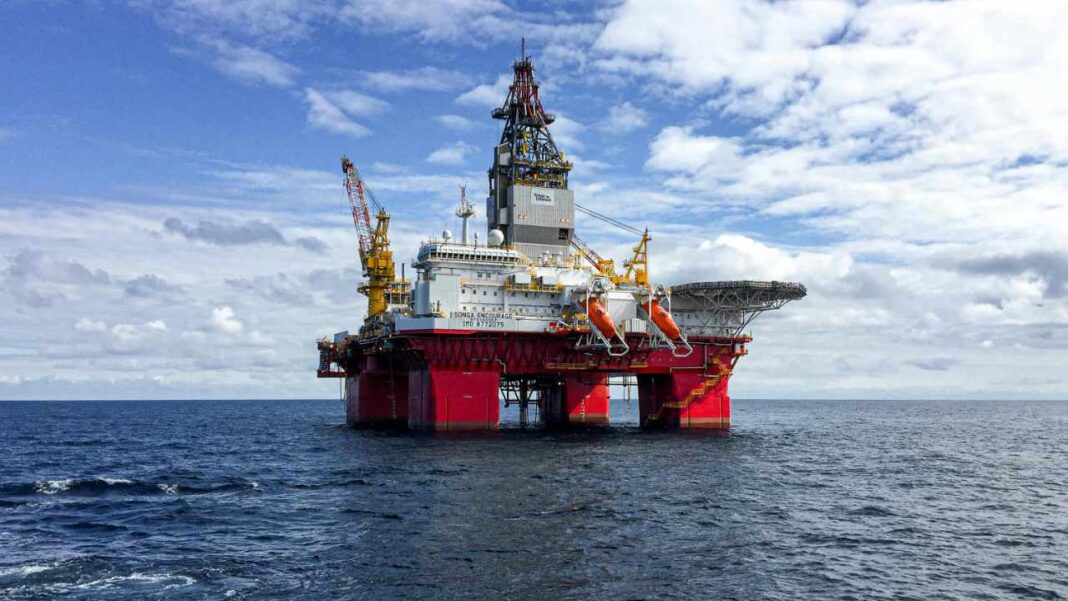


In a period of heightened global volatility, a joint report was released on Wednesday, 18 March 2026, by Studio. Energy and ATB Financial’s Economics team, which reinforced that Canada’s energy export infrastructure remains critical to the nation’s economic strength.
The study finds that building and filling incremental oil pipeline capacity may contribute an average of USD 22.92 billion (CAD 31.4 billion, in 2017 dollars) to national real GDP annually over the eight years spanning 2027 to 2035. It would also boost annual employment by 112,000.
The report, titled The GDP Payoff of Additional Oil Pipeline Capacity, demonstrates that resource export infrastructure is a pillar of national strength. It highlights how increasing oil export capacity by 1.5 million barrels a day over time may help address chronically weak levels of business investment, in addition to exports. Both of these factors have contributed to sluggish growth in Canadian GDP per capita.
In an increasingly competitive global landscape, GDP is no longer just an economic indicator of prosperity. It is, in fact, a source of national leverage. By expanding export capacity to the West Coast, Canada could move beyond its present limited market access to become a proactive global participant. This way, Canada may be able to access high-demand markets in the Asia-Pacific region and strengthen resilience against economic coercion.
Founder and CEO at Studio. Energy, Peter Tertzakian, said Canada has an opportunity to supply a vital commodity to the world while strengthening our economy. Commenting further, Tertzakian shared that GDP growth doesn’t happen by aspiration alone. He added that it may require export infrastructure, production growth, and the confidence to build.
Key Analysis Findings
- Between 2027 and 2035, the average annual lift to Canada’s GDP is estimated at USD 22.92 billion (CAD 31.4 billion).
- The report estimates the buildout will support an average of 112,000 additional Canadian jobs. The employment impact is predicted to peak at 136,100 jobs during the height of construction.
- The GDP impact includes the construction of the Pathways Alliance carbon capture project. This underscores that Canada’s growth is driven by a commitment to being a preferred supplier of energy produced responsibly.