
Throughout the United States, farmers are starting to face growing concerns as extreme droughts are on the rise, bringing heat that is breaking records. This heat and lack of water are causing a massive amount of harm to agriculture and are described by experts as one of the worst situations the agriculture industry has ever faced in recent years. This simple fact has raised a tremendous amount of concern for not only the farmers but also for global food supply and rising prices.
The situation is considered highly critical due to the dangerously low moisture content resulting from the unusually dry and warm winter. Usually, winter comes with steady rainfall and cold snow, which is highly beneficial to prepare the land for planting in the spring. However, as the unfortunate weather concerns have heightened, farmers have grappled this year to deal with the dry conditions and strong winds that have ended up removing a lot of moisture from the ground; many crops, as a result of this, have been under stress before the growing season has even begun.
By the end of March, almost 60% of the United States was experiencing drought conditions, affecting the main agricultural regions, such as the Great Plains, the South, and parts of the West. This dryness, which spread widely over these areas, put major crops like wheat, rice, peanuts, and vegetables at risk. Simultaneously, pasturelands used for livestock are suffering damage, complicating farmers’ efforts to feed their animals.
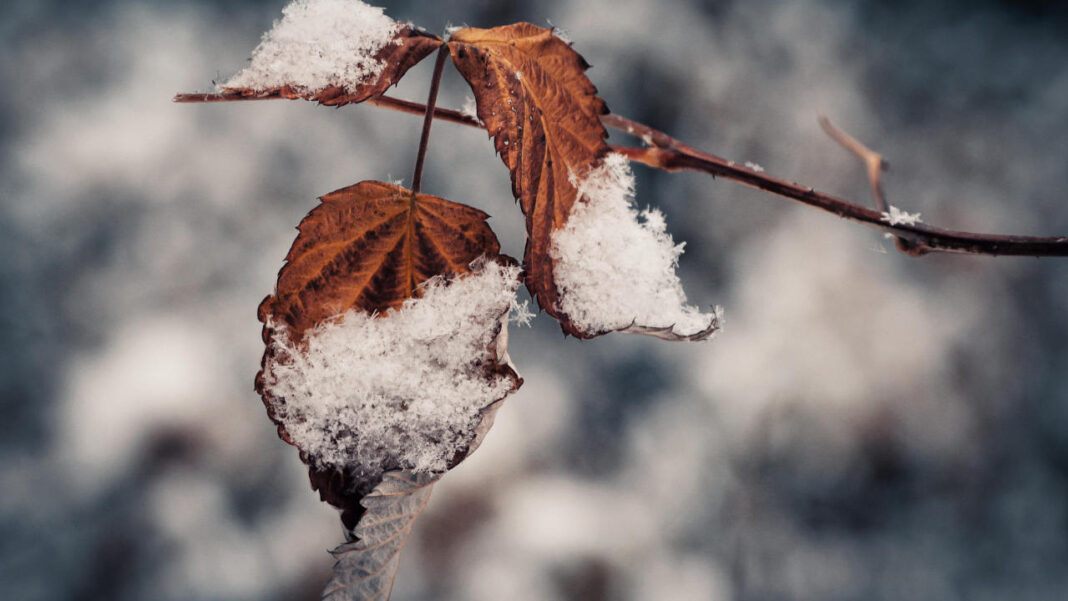
The lack of snow in the mountainous regions came as one of the most worrying concerns during this situation. To store water, which would be later used for irrigation, snowpack plays a vital role. However, during this year, the temperatures, which had risen high, had caused the snow to melt way earlier than expected. As a result, the water had reduced increasingly, which lessened the accessibility to this resource harder than usual. In some areas, the levels of snow dropped within just several days, which left farmers uncertain and unsure about the management of water supplies in the months ahead.
The drought has already affected livestock. With the numbers of cattle at their lowest since the 1950s, beef prices have risen. With feed costs increasing and water scarcity, many farmers are cutting herd sizes, which, as a result, reduces the supply of meat.
Farmers themselves are expressing their own deep concern about the future. One farmer described the situation as “really bleak”, highlighting the emotional and financial pressure many are under. With planting seasons approaching and limited hope in sight, uncertainty is growing throughout the agricultural sector.
While climate change is seen as a main driver behind these horrid situations, the rising temperatures and weather changes are making the frequency of droughts higher day by day. The risk of wildfires and crop failures is also increasing due to this reason. As warnings are given by scientists that these patterns could become more common in the future, farmers are bracing themselves for the hardships that are around the corner. These situations could typically reshape farming practices that have been in place for the past couple of years.
In addition to climate challenges, farmers are also dealing with rising costs. Fuel and fertiliser prices have increased due to global conflicts and supply disruptions, adding another layer of difficulty. These combined pressures mean that the effects are likely to be passed on to consumers through higher food prices.
As the year progresses, much will depend on whether rainfall returns and temperatures stabilise. However, experts warn that even short-term relief may not be enough to undo the damage already caused. For now, farmers are left to adapt to increasingly unpredictable conditions, while consumers may soon feel the impact at grocery stores.