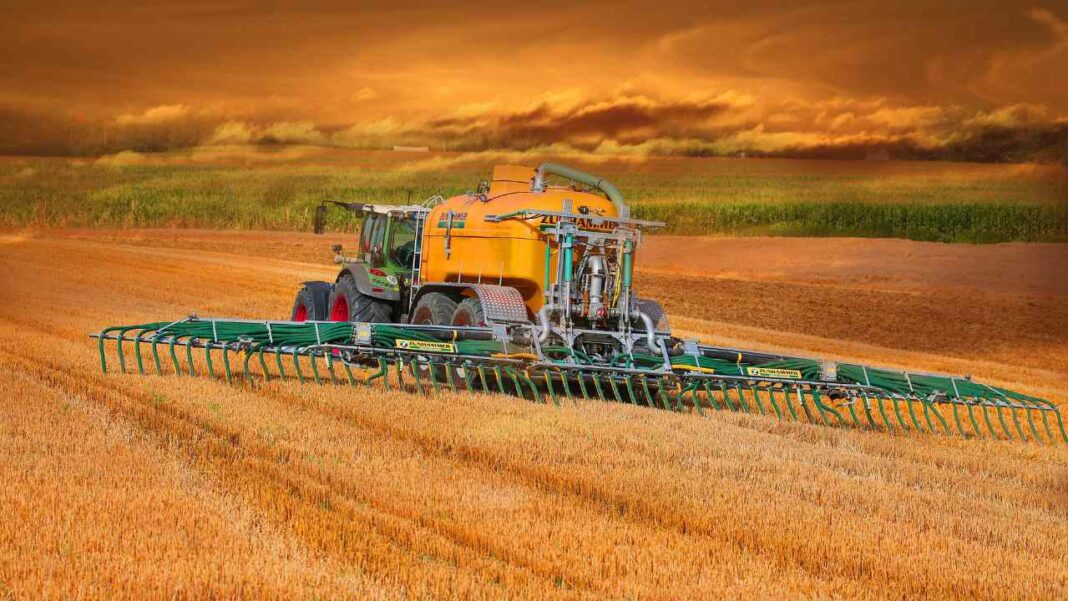


The potential food crisis, which is worsening as the fertilizer shortages grow further, has pushed India into a position of large and gathering concerns. The global fuel disruption, which has triggered this crisis, has started to create a lasting and vast impact on the country’s very large agricultural sector. The ongoing fuel disruption is also linked to the conflict that has been taking place in the Middle East. The conflict has left supply chains almost completely ruined, which has prompted the farmers to be intensely anxious about their crops’ future and their lives.
At the heart of the issue is the blockade of the Strait of Hormuz, one of the world’s most vital shipping routes. This has significantly reduced the flow of oil, gas, and fertilizer supplies from Gulf countries, upon which India heavily depends. As one of the world’s largest consumers of fertilizer, India relies on imports for both finished products and raw materials, making it especially vulnerable to global shocks.
Agricultural regions such as Punjab and Haryana have been feeling this impact heavily, as farmers have begun preparing for the kharif planting season, which is around the corner. The Kharif season is associated mostly with sowing crops like cotton and rice, in some cases. The season, which is heavily depended on by the entire region, also relies on fertilizers such as urea. However, with these supplies remaining quite uncertain and the prices continuing to increase, many of the farmers have begun collecting fertilizers in fear of shortages they might face in the future.
Urea, a fertilizer based on nitrogen, is highly essential to Indian farming. Although a portion is produced domestically, production relies heavily on natural gases, which are imported. With production in short supply, this has grown into a massive concern as reports have indicated that gas supplies to fertilizer plants have already been cut significantly, threatening production levels and adding to farmer anxiety.
Despite government assurances that buffer stocks remain sufficient and that alternative supply routes are being explored, uncertainty continues to spread among farming communities. Many farmers, already burdened by debt and rising costs, fear that even a temporary disruption could result in reduced yields and severe financial losses.
The availability of fertilizers is not the only crisis that is being faced. Fuel prices, which have been on the rise, are also affecting farming operations, which are a necessity, including irrigation, harvesting, transportation, and storage. Diesel shortages and the cost of electricity, which has also been on the rise, have affected the problem, making agricultural production more expensive and less efficient at the same time.
There could be long-lasting repercussions from this disruption. In India, when it comes to domestic food security and global supply chains, the region’s output plays a vital role. Producing around 100 million tons of rice alone in the kharif season, any decline in their production could end up leading to reduced stockpiles, food prices, which have risen, and high pressure on vulnerable populations.
The situation is not limited to India. Sri Lanka, which neighbors this region, which has previously experienced a severe fertilizer crisis, is once again facing similar fears. Farmers there are hesitant to plant crops due to rising costs and uncertainty, raising concerns about regional food security.
Global organizations are warning about the much larger impact of the crisis. The World Food Program (WFP) highlights that any ongoing disruptions could push tens of millions into high food insecurity. Experts add that fertilizer shortages, high fuel costs, and supply chain instability may strain global food systems.
Without swift and effective intervention, the current fertilizer crisis could grow into a full-scale food emergency, affecting not only India but millions across the entirety of the region.