
Technology has been deployed in London since 2020. The move has led to concerns over data privacy, besides racial bias.
The Labour government opines that facial recognition technology is ‘the biggest breakthrough for rounding up criminals due to DNA matching’. It wants all police forces to use it. Recently, the government announced the deployment of 40 vans equipped with live facial recognition (LFR) cameras in town centres across England and Wales.
Supporters say it streamlines police work in rounding up criminals. Opponents fear it may violate civil liberties, besides being biased against minorities.
How LFR operates
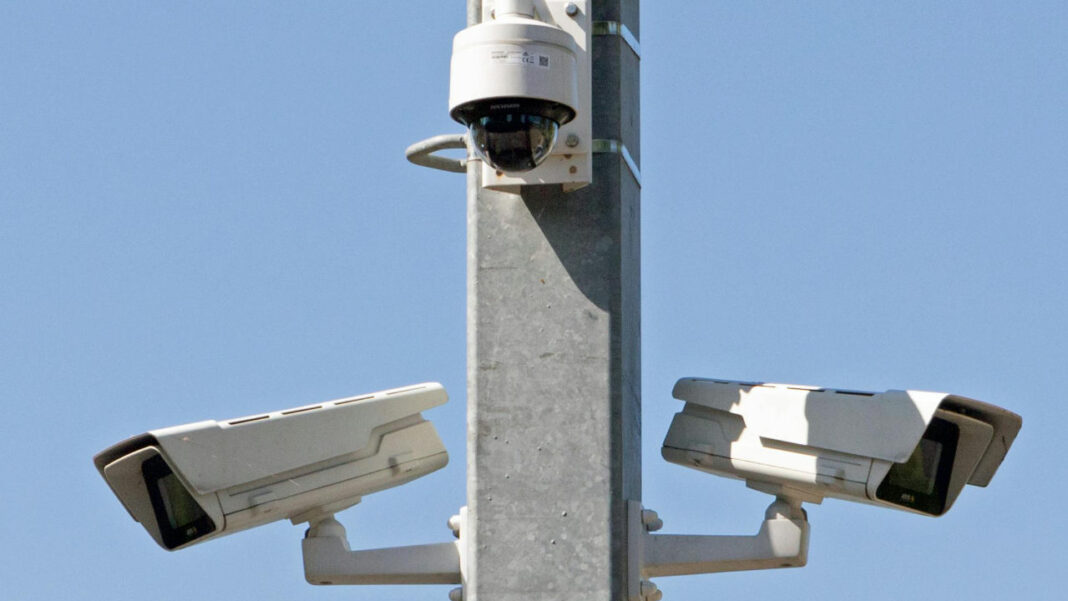
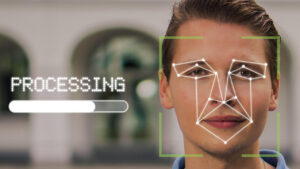
The simplest systems for capturing faces are CCTV, mobile phones, dashcams, social media, and doorbell cameras. These are compared with mugshots held in the police national database. The technology typically works by superimposing images and measuring angles and distances between facial landmarks, such as eyes, moles, and scars, to make a data-based check. This kind of retrospective facial recognition technology is deployed during investigations & is accessible to all forces in both England and Wales.
Head of Research & Investigations at Big Brother Watch, Jake Hurfurt, responding to the use of LFR to police upcoming protests on Saturday, 16 May ’26,
Hurfurt said that deploying LFR at protests in this country is a frightening escalation. A biometric identity check shouldn’t become a prerequisite for free speech in this country.
The use of LFR at protests may put many people off expressing their views. That may be a dangerous path for Britain to move on. Police already have the powers to detain anyone opting for violence at protests. Treating everybody as a potential suspect may be a chilling step reminiscent of authoritarian regimes, but not of a democracy.
Big Brother Watch indicated that the British Parliament has never explicitly authorised this Orwellian technology, yet the police are using LFR to challenge most fundamental rights. LFR’s use may need to be halted until laws regulating it are in place with robust safeguards. This includes protecting everybody’s right to protest.