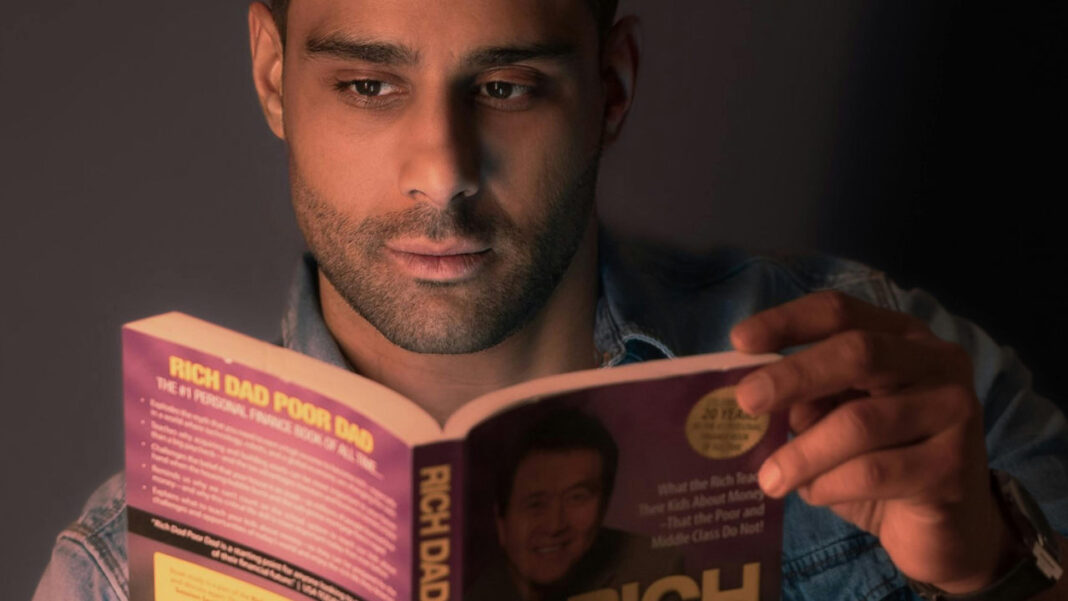

Few books have caused as much discussion, expression of admiration, and self-reflection on personal finance in modern history as Rich Dad Poor Dad by Robert T. Kiyosaki. The book is not merely a guide to finance but rather a psychological awakening to all that society teaches us about work, wealth, education, and success. It was first published in 1997 and has since become one of the greatest personal finance books ever written; Kiyosaki’s story changed the thoughts of millions of people regarding finances.
So how is this book unique? There are no complex economic theories or difficult investment terms in it. Instead, Kiyosaki’s genius comes from his simplicity. Two father figures are represented in the book: a highly educated man (Rich Dad) who cannot make ends meet versus a not-so-educated man (Poor Dad) who is financially savvy. The book successfully dismantles one of the longest-standing myths held by society: that being an excellent academic will equate to being financially successful.
The way the narrative reads feels much more like having an intellectual argument with someone, rather than just listening to them lecture you. Kiyosaki challenges the reader to look at life-altering assumptions:
- “Go to school and get an excellent job.”
- “Buying a house is your best investment.”
- “Working hard will help you create wealth.”
However, he provides a revolutionary new way of thinking: wealthy people do not work for their money; they create ways for money to work for them. This idea serves as the foundation that underpins the book.
Another major strength within this book is the emphasis on teaching about money, a subject that few people learn about in school. For example, Kiyosaki believes many people with higher levels of education are often unsuccessful at managing their finances because they were not taught how money operates. These facts remain extremely relevant decades after first being published and continue to add misery to individuals living in a world where they are struggling with paying their debts, rising costs of inflation and living expenses.
Kiyosaki excels at delivering lessons that connect practical knowledge with emotional reality. His explanation about how to evaluate big decisions based upon fears and desires guides people from making incorrect decisions because they are worried about what will happen if they choose wrongly. He also explains how many people become caught up in what he calls the “rat race”, which is where an individual works, earns money and spends it in such a way as to cause them to continuously go into debt and not be able to make ends meet. Many times, individuals identify themselves within this cycle.
This book not only encourages pessimism; it also inspires motivation! Kiyosaki has a tonne of ideas about how the mindset should be changed. For example, he illustrates the difference between “I can’t afford it” and “How can I afford it” in the following way: “I can’t afford it” is a phrase that limits your thinking because it causes your mind to stop. However, “How can I afford it?” will create room for creative thinking, as well as the ability to solve problems, create new ways to spend, and come up with new ideas for making money. This mindset transformation is very important in the entrepreneurial mindset.
Another reason this book is unique and enduring is its clear use of language. Whether you are a student, teacher, or employee of a corporation, you will find the book to be basic, easy to understand, and even fun! Kiyosaki explains subject matter, such as assets or liabilities, taxes, investments, and cash flow, in a way that you can relate to life experiences rather than having to follow boring equations.
Some critics say that the book doesn’t do a satisfactory job of providing enough detail on how to invest your money and has a tendency to oversimplify economics. While some of these claims may be true, Rich Dad Poor Dad is not a textbook on how to invest; rather, it is much more than that. It is an investment in changing the way you view wealth accumulation. The book is not designed to provide you with the answer to every dollar you can invest, but it is designed to help you create a whole new perspective on how to create wealth.
One of the book’s greatest accomplishments is that it has instigated discomfort in people by changing their perceptions of comfort zones, revealing financial myths, and requiring readers to face harsh realities regarding their dependency on others for their employment and existence, as well as the fear of financial insecurity. It is this same discomfort that will allow the book to influence people for another thirty years.
In conclusion, Rich Dad Poor Dad is more than a book about becoming wealthy; it is an excellent guide for reaching financial literacy. It forces readers to look at money in a non-emotional way and to manage their finances from a strategic basis. Additionally, few other books have created such a dramatic cultural change from generation to generation like this book has.