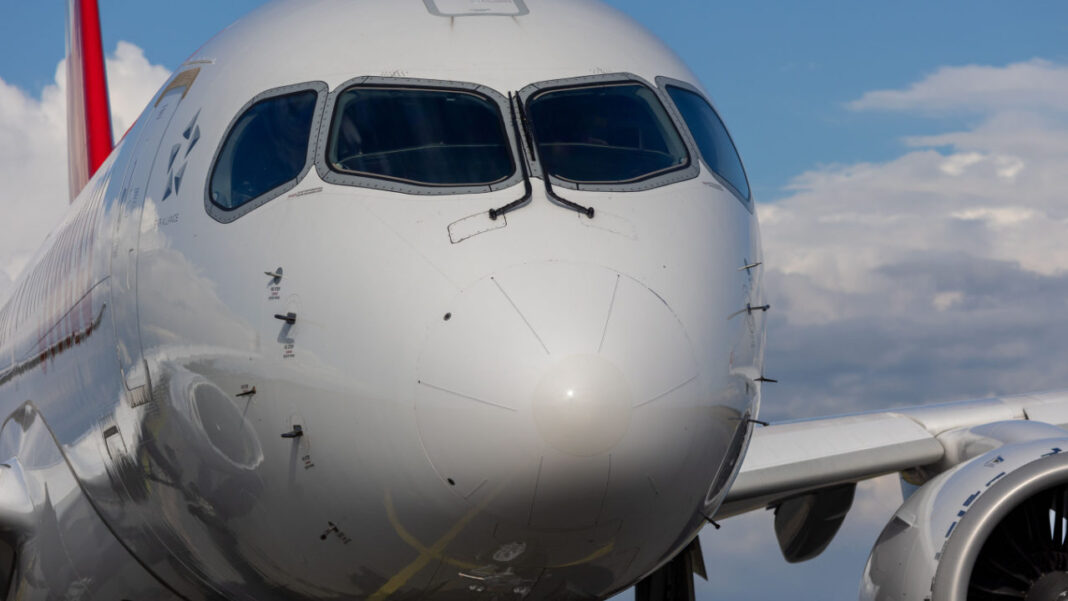

On June 10, 2026, India celebrated a significant milestone in its defense manufacturing history when the first “Made in India” Airbus C-295 military transport aircraft completed its maiden flight after having been assembled at the final assembly line established in Vadodara, Gujarat. The C-295 is the first of 40 C-295 aircraft to be manufactured in India as part of an Airbus-Tata Advanced Systems partnership that has been conceived as a key part of India’s aspirations for the aerospace sector since its inception.
This flight was momentous because it represents not just any other plane coming out of a factory; it is the culmination of a long and arduous negotiation process that commenced with the signing of a contract between the Indian Ministry of Defense (MoD) and the Spanish manufacturer in September 2021 to procure 56 C-295 aircraft (16 will be delivered via ‘flyaway’ from Spain and 40 will be built in India) to replace the Indian Air Force’s (IAF) ageing fleet of Avro transports. The C-295 is designed as a tactical transport aircraft with a maximum payload capacity of 5-10 tonnes, which will provide air support through its capabilities of rapid troop deployment via parachute and transporting cargo through the ramp’s rear door. The C-295 will also have the ability to operate off of semi-prepared airstrips, similar to those utilized frequently by the IAF.
The larger significance of the deal is industrial as well as military in nature. Airbus has stated that eventually the Vadodara final assembly line will enable the delivery of 40 aircraft by August 2031 and that the entire Indian program will result in over 85% of structural and assembly work being conducted in India and over 13,000 detailed parts being produced inside India. At the same time, the company has indicated that there are now 37 suppliers of C-295 components in India, both private sector and government-owned, and that the components coming from multiple locations in India will flow into the Hyderabad main component assembly facility and then move to Vadodara for final assembly of the aircraft.
Therefore, the supply chain architecture that this project is establishing is the real prize for India. The C-295 is not simply being manufactured as a platform; it will be a litmus test that demonstrates whether or not there is sufficient private-sector aerospace manufacturing capability in India to support large military aircraft (which India has traditionally purchased from outside of India). The Government of India has characterized the C-295 project as a unique initiative to develop indigenous capability and promote “Make in India,” and Airbus has projected that the IAF will become the largest customer for the C-295 and largest operator of any type of aircraft in the world.
The C-295 aircraft has been engineered for contemporary military operations defined by the requirements of rapid deployment, operation from short runways, and the ability to operate over difficult landforms. Its flexibility allows it to serve many purposes within the Air Force’s logistical mission, and it can also be used to support humanitarian aid and special warfare missions and provide support to remote regions. Its built-in electronic warfare systems increase its value by showing how it has progressed from basic assembly to the advanced development of a special capability.
The recent flight test at Vadodara is more than just a positive flight test; it provides irrefutable evidence that the Indian defense forces have developed beyond being downstream users of foreign-sourced platforms. They aspire to become manufacturers, integrators, and, one day, exporters of Indigenous aerial systems. Should the progress continue at the current pace, the first “Made in India” C-295 will not only signify another milestone in the government’s campaign to develop a homegrown aerospace industry but will also provide the best illustration of India’s transition from simply assembling acquired capabilities to fully controlling all aspects of the aerospace industry.