
A small cluster of recent dengue fever-confirmed cases out of the South Efate dengue outbreak serves as a warning to other areas in the Pacific about potential outbreaks of dengue fever. The first (4th) situation report from the Ministry of Health and Medical Services Epidemiology and Surveillance Unit shows a total of 17 confirmed cases have been reported in Shefa Province since the outbreak started on 14th June 2026. It also reported 1 hospitalization (but no deaths) among those confirmed during this reporting period.
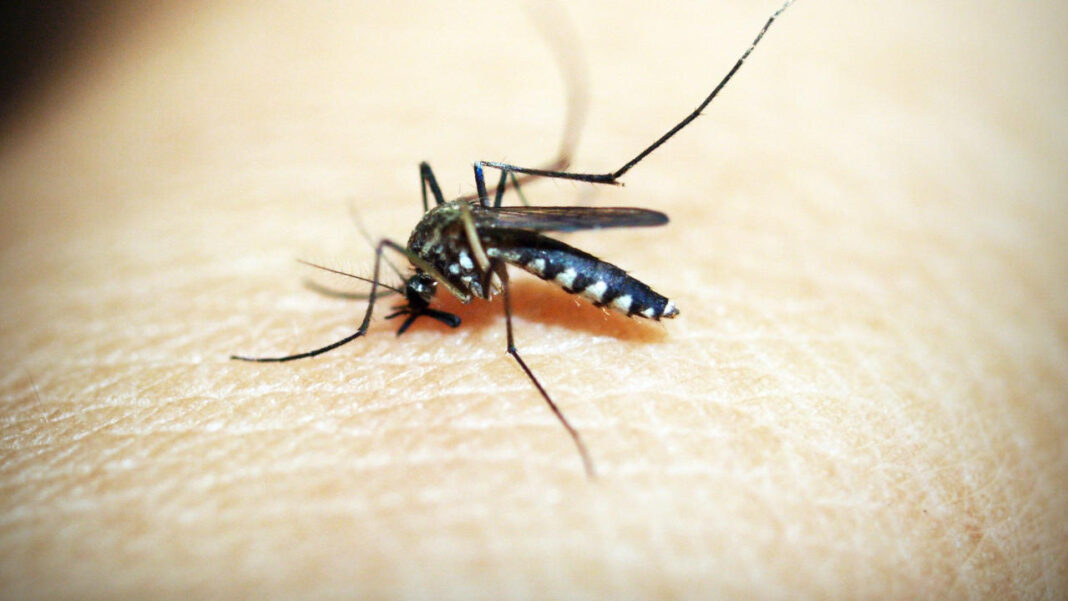
The update’s most noteworthy element is the pace at which cases were confirmed, aside from the number of confirmed cases. As the outbreak continues to have sufficient active cases for health emergency leaders to remain on alert for an increase in confirmed cases, the increase in the number of confirmed cases since 22 June 2026 is significant in its own right, as has been the trend all year to date (i.e., for each week of this year, Shefa has experienced a month-over-month increase in confirmed cases). The implications for a province like Shefa are severe; if dengue starts spreading from person to person, it is crucial to act quickly to prevent costly and severe health consequences and fatalities. The transmission of the virus occurs through infected Aedes mosquitoes, which can cause symptoms ranging from mild illness to severe illness.
Dengue is an old enemy, but it has shown to be very successful at spreading. There are many species of mosquitoes that can cause dengue, which can breed in the area surrounding houses. This phenomenon is especially true where water collects in small containers, as these create perfect breeding sites for the mosquitoes and can make many houses vulnerable to a dengue outbreak. This phenomenon explains the seemingly low number of people infected at the outset of a dengue outbreak; as the outbreak develops, new cases appear quickly. In South Efate, the number of people infected by dengue currently may seem small in comparison to the total number of cases reported in the country. However, it is important to watch these numbers carefully as they provide evidence of active transmission of dengue within the community; small outbreaks can have a much larger impact over time.
The last reported number for Vanuatu is not just several people infected with dengue; it is also an indicator of the initial steps taken to control the dengue outbreak in Vanuatu. With the release of updated case counts, the critical issue facing Vanuatu has changed. What can be done to contain this dengue outbreak to South Efate using a combination of effective surveillance, mosquito control, and rapid case management?