
Israeli Prime Minister Benjamin Netanyahu has rejected a 15-point Gaza peace proposal backed by US President Donald Trump. He said Israeli troops will not leave Gaza until Hamas is fully and genuinely disarmed.
The plan was introduced by Trump’s newly formed Board of Peace. It aims to end the war through a phased agreement that includes Hamas giving up its weapons, Israeli forces withdrawing from Gaza, and the long-term rebuilding of the territory.
Hamas has stated its continued commitment to the agreement. However, the group insists that it will only hand over its heavy weapons if Israel first stops all military attacks and withdraws its forces from Gaza. Hamas has also called on international mediators to make sure every side follows the agreement.
Speaking at a cabinet meeting, Netanyahu made Israel’s position clear. He said any disarmament must be real and verifiable, not symbolic or temporary. Until that happens, Israeli forces will continue military operations to protect the country’s security.
The rejection creates another major challenge for Trump’s peace initiative. Although the proposal was announced as a breakthrough, it now faces strong resistance from both sides over the order in which key steps should happen.
Political pressure inside Israel is also shaping Netanyahu’s decision. With national elections approaching, members of his right-wing coalition are demanding a tougher approach to Gaza. Some ministers have even called for the peace plan to be abandoned completely, arguing that it gives too much ground to Hamas.
Despite the disagreement, talks between Israel and US officials are continuing. Netanyahu said Washington has presented several ideas, but Israel will only support proposals that meet its security needs.
Nickolay Mladenov, the senior diplomat helping oversee the peace process, defended the plan and urged Israel to give negotiations a chance. He said the agreement was designed to be gradual, with each stage verified before moving to the next. Under the proposal, Israeli forces would not withdraw until there was clear evidence that Hamas was disarming.
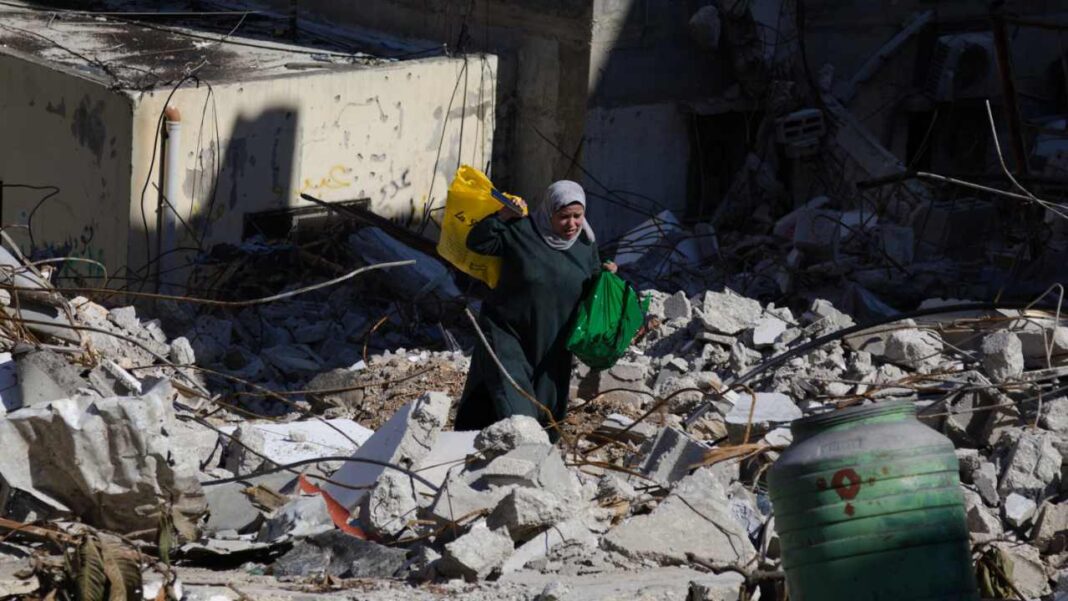
The humanitarian crisis in Gaza remains severe. The United Nations estimates that around 1.9 million people, about 90% of Gaza’s population, have been displaced since the conflict began.
The war started after the Hamas-led attack on southern Israel on 7 October 2023, which killed about 1,200 people and saw 251 hostages taken. Israel’s military response has since killed more than 73,000 people in Gaza, according to the territory’s health ministry, with the UN considering those figures broadly reliable.