
Healthcare (Commonwealth Union) – As we age the maintenance of our bone health becomes even more critical.
Scientists have created the most detailed map yet of the cells and genes involved in controlling bone growth and breakdown, revealing an important and previously overlooked contribution from blood vessel cells in supporting skeletal health.
By integrating large-scale genomic sequencing with genetic data from 500,000 people, the research team discovered hundreds of new genes involved in bone regulation. The study also identified cells located around blood vessels as key contributors to bone regeneration, highlighting a role that has received limited attention until now.
The international study was led by UNSW Conjoint Professor Peter Croucher, UNSW Conjoint Associate Lecturer Dr Ryan Chai from the Garvan Institute of Medical Research, Associate Professor John Kemp from Mater Research, along with Professor Graham Williams and Professor Duncan Bassett from Imperial College London. Published in Nature Genetics, the findings provide major new insights into the biological processes behind skeletal diseases and could reshape future approaches to bone health research.
Researchers hope the breakthrough will pave the way for new treatments that can restore lost bone, bringing renewed possibilities for nearly half of people over the age of 50 affected by both common and rare skeletal disorders, including osteoporosis, osteoarthritis, osteogenesis imperfecta, uncommon bone diseases, and cancers that have spread to the bones.
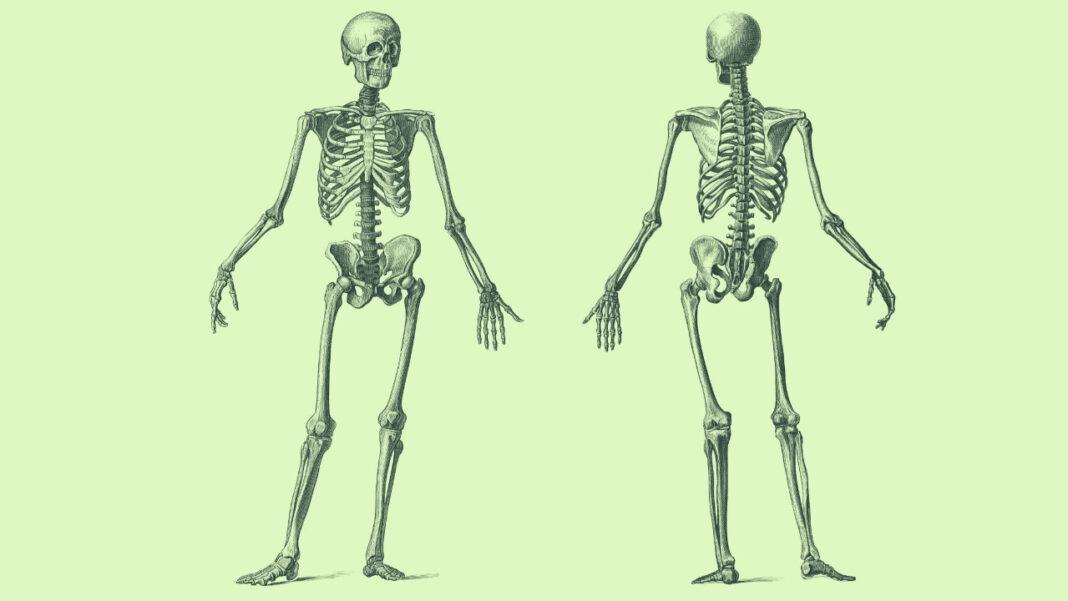
Professor Croucher highlighted the fact that many people are unaware that bones are not static structures — they are continuously being renewed and the human body essentially replaces its entire skeleton roughly every decade.
He further indicated that this ongoing process is incredibly important, yet until now the knowledge of the specific cells and biological processes responsible for regulating bone renewal has been very limited.
“Most of the drugs now available focus only on halting bone disease, rather than rebuilding lost bone, which is really important for reversing damage.”
The team indicated that it was most comprehensive cellular and genetic blueprint of bone health regulation forming the most detailed picture yet of the cells and genes involved in controlling bone health. Using advanced single-cell RNA sequencing technology, the team examined the genes activated in individual bone cells, with particular attention to the region where solid bone meets the bone marrow — a crucial area responsible for both bone formation and bone breakdown.
Dr Chai pointed out that the extensive study identified 34 distinct cell populations and mapped the specific genes that are active within each cell type.
He further indicated that unexpectedly, they discovered that over half of the genes they identified had not previously been linked to the maintenance of healthy bones, making this a major breakthrough.
The researchers used their detailed map to locate the specific cells associated with both rare and widespread bone disorders, such as osteogenesis imperfecta and osteoporosis. For osteoporosis, they examined information from the UK Biobank, one of the largest and most detailed repositories of biological samples and health data in the world.
Associate Professor Kemp explained that by combining genetic information with bone density measurements from around 500,000 UK Biobank participants, the researchers were able to identify the precise cell types that contribute to the development of skeletal diseases.
He further pointed out that these findings highlight cells already recognised for controlling bone formation and breakdown, along with blood vessel cells whose contribution to maintaining healthy bones has been largely overlooked until now.
Professor Croucher stated that the findings revealed potential new treatment pathways not only for skeletal disorders but also for cancer.
He pointed out that the bone serves as a major reservoir where inactive cancer cells can remain hidden and is a frequent location for cancer recurrence. By identifying the specific cells and genes involved in bone renewal and breakdown, the research could help develop new strategies to stop cancer from spreading to the bone.