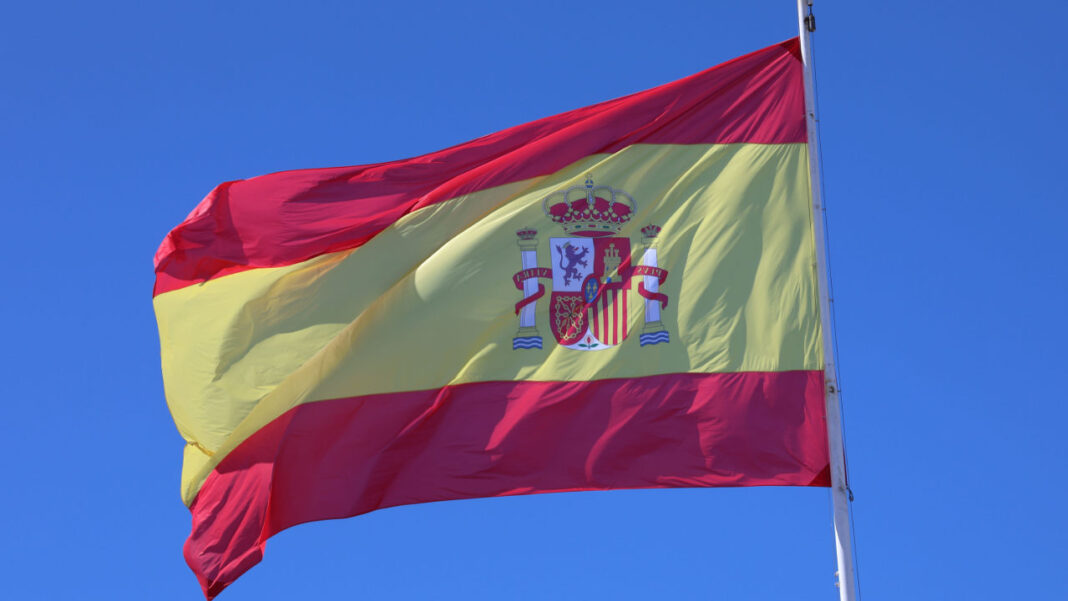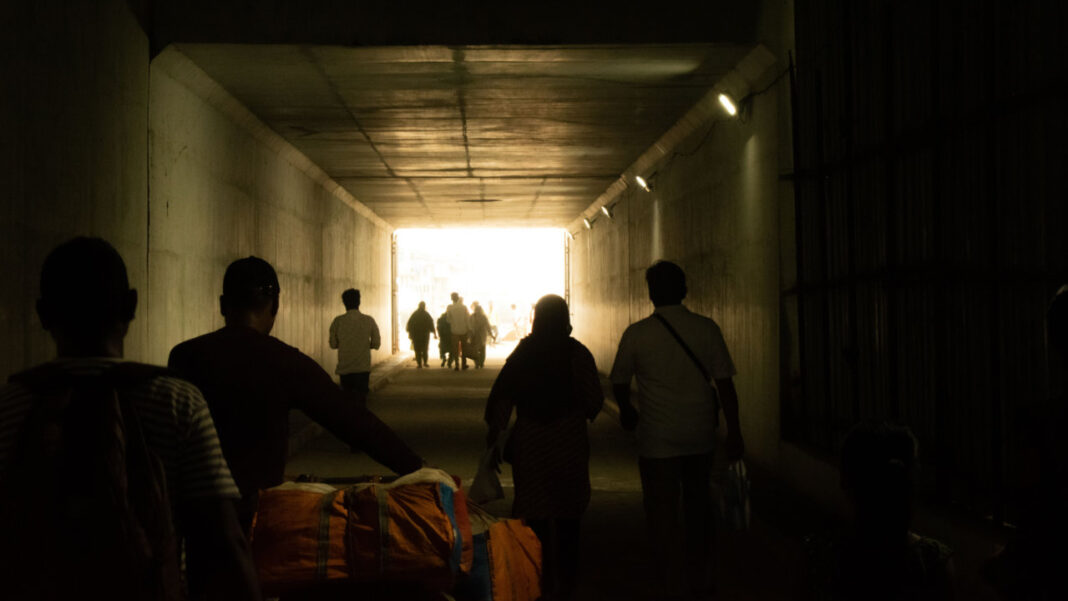

Spain has managed to reverse a massive wave of migrants who entered the Spanish territory of Ceuta in North Africa. Officials said that more than 50,000 people crossed the border by land and sea within two days. By Friday evening, authorities estimated that around 48,300 had already returned to Morocco, many of them voluntarily.
The crossing also turned deadly. Spanish officials confirmed the recovery of 57 bodies on their side of the border. They warned that more deaths may have occurred on the Moroccan side. Some people drowned while trying to swim across, and others were crushed during the rush near the border barriers. The unrest left behind burnt vehicles and signs of clashes. Some people were crushed during the rush near the border barriers.
Moroccan security forces worked to stop more people from entering Ceuta. Police used batons, tear gas, and water cannons to push back large crowds gathered near the border fence. Burnt vehicles and signs of clashes The unrest left behind burnt vehicles and signs of clashes. left behind after the unrest.
On the Spanish side, military vehicles were deployed to strengthen security. Many migrants who had reached Ceuta later decided to leave because they could not find enough food, shelter, or support. Some returned through official border crossings, while others went back through openings in the fence.
Several migrants said the difficult conditions forced them to return home. Others explained that they had spent hours swimming to reach Ceuta but were later removed by Spanish authorities.
Spanish Prime Minister Pedro Sánchez travelled to Ceuta after the crisis. He described the mass crossing as a violation of Spain’s borders and said the government was working closely with Morocco to speed up the return of people who had entered illegally.
The incident also triggered political tensions across Europe. Italy temporarily suspended parts of the Schengen border-free travel system with Spain, although Madrid argued that the move went against European Union rules. France also announced stronger border controls and increased police patrols to prevent similar crossings.
Ceuta and Melilla are Spain’s two territories in North Africa and form the European Union‘s only land border with Africa. While both often experience attempts by illegal migrants to enter Europe, officials said the incident was one of the largest crossings ever recorded.
Politicians offered different explanations for the surge. Some blamed Spain’s migration policies, while others pointed to a recent court ruling involving migrants intercepted at sea. Security officials also said there were not enough officers available when the large crowds arrived.
Although the border became more heavily guarded, groups of migrants continued gathering near the Moroccan town of Fnideq, searching for other ways to cross. Many eventually turned back after finding the border closed and heavily protected.