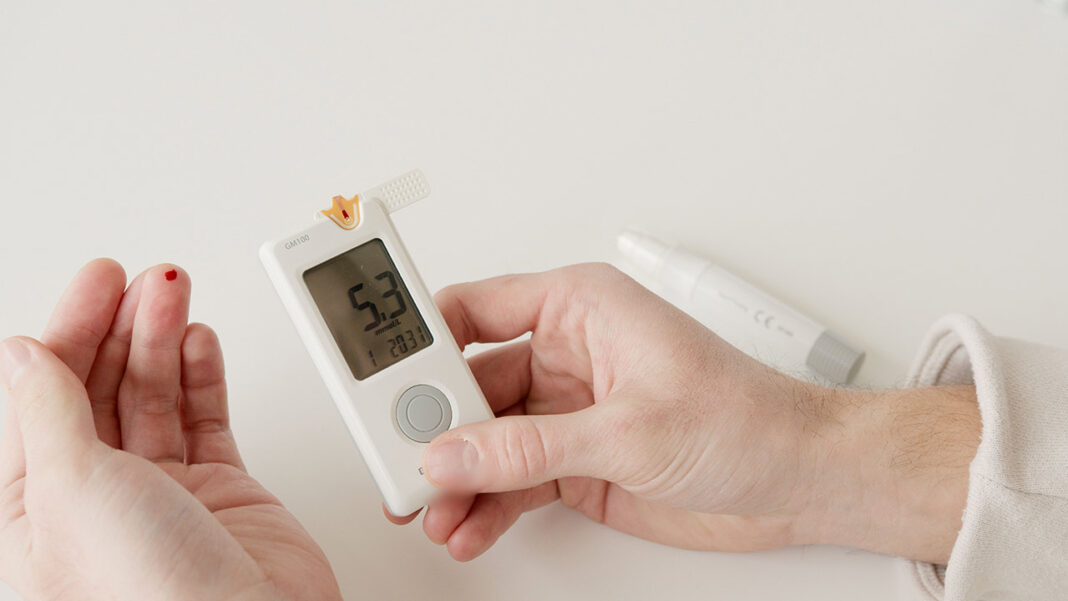

Diabetes is a health condition where blood sugar levels stay too high or too low. This happens when the pancreas cannot make enough insulin or any insulin at all. It can also happen when the body stops responding well to insulin, even if some is made. Diabetes can affect anyone, at any age. Most types are lifelong. But all types can be managed with medicine, lifestyle changes, or both.
Diabetes cases are rising quickly around the world. In 2024, 11.11% of adults had diabetes, about 589 million people aged 20 to 79. That means nearly one in nine adults worldwide is affected. Looking back to 2021, the rate was lower, at 10.5%, or 537 million adults. This jump shows the disease is spreading faster than experts had earlier predicted. Looking ahead, the trend is expected to continue. By 2050, diabetes could affect 12.96% of adults, reaching roughly 853 million people globally.
Now, a new medical breakthrough offers hope. Scientists in China have found a way to help the body make insulin again, using a patient’s own cells.
The first case involved a 59-year-old man. He had lived with type 2 diabetes for 25 years. Years earlier, he had received a kidney transplant. Because of that transplant, he was already taking drugs to suppress his immune system. The study is published in the journal Cell Discovery. It means his body was not going to reject the new treatment anyway. So this first case does not fully prove the therapy will work for everyone.
The treatment used something called E-islets. These are made by reprogramming the patient’s own stem cells. Doctors call this an “autologous” approach, meaning the cells came from the same person receiving them. Researchers followed this patient for 27 months. During that time, his blood sugar control improved significantly. His body accepted the new cells. by his body. There were no tumors and no serious problems linked to the graft.
After this early success, the research team expanded their work. They have now treated six patients in total. Some patients, like the first one, received their own cells. Others received donor cells instead, known as an “allogeneic” approach. The procedure itself is minimally invasive, meaning it does not require major surgery.
This new set of results was published in The Lancet Diabetes & Endocrinology. The science behind this method is also different from older approaches. Traditional stem cell therapies use pluripotent stem cells. These are flexible cells that can turn into almost any cell type in the body. But turning them into working pancreas cells is difficult. The process is slow, and it often creates unwanted, non-target cells along the way.
The new method uses endoderm stem cells instead. These cells are already partly developed, so they skip many of the difficult early steps. As a result, the process takes only 14 days, compared to 40 days using older techniques. It also lowers the risk of tumors forming, since these particular cells do not multiply once inside the body.
Researchers have now tested this approach on patients with type 1 diabetes as well. Three cases stand out. One patient was a 30-year-old woman who had lived with diabetes for 18 years. Another was a 45-year-old man with a severe, fast-developing form of type 1 diabetes. The third was especially notable: a 15-year-old girl, the youngest person ever to receive this kind of treatment.
Together, these cases suggest a promising new path for treating diabetes. If future studies confirm these results, patients may one day need fewer daily insulin injections. For now, though, this remains early-stage research. Larger trials are still needed to prove it works safely for a wider range of patients.