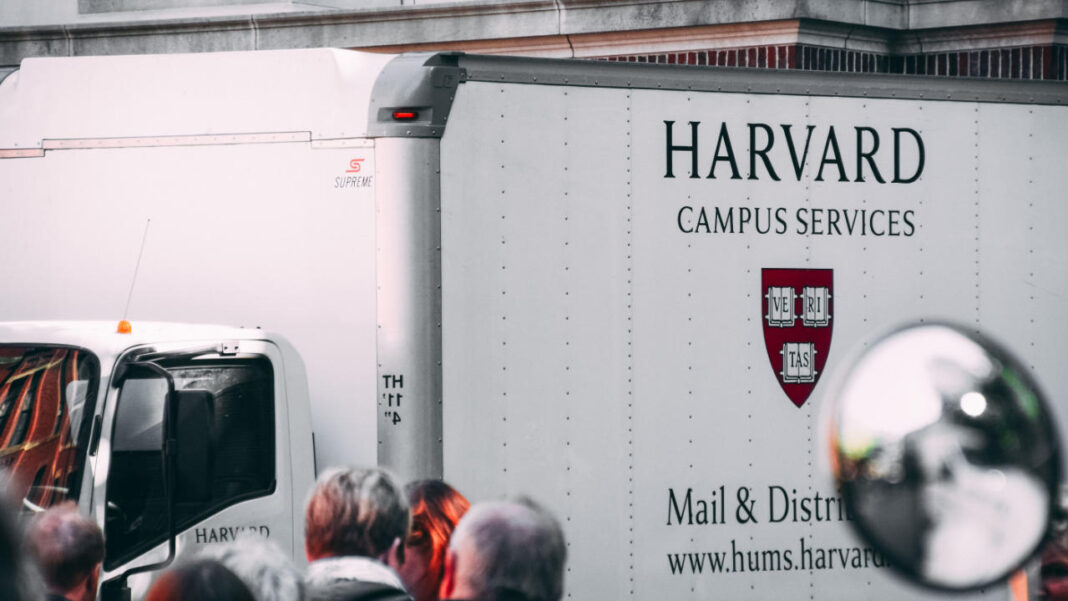

Harvard University has agreed to pay $53 million to settle lawsuits brought by families whose loved ones donated their bodies to its medical school. The proposed settlement was presented in a Boston court on Monday. It follows a shocking case involving Cedric Lodge, a former manager at the mortuary of Harvard Medical School. Lodge admitted to stealing human remains and selling them to buyers online.
The scheme reportedly operated between 2018 and 2021. Lodge used his position in Harvard’s Anatomical Gifts Program to take body parts from donated cadavers. Prosecutors said he removed remains that had been given to the university for medical education and research.
Lodge and his wife later sold the remains to customers in Massachusetts and Pennsylvania. Six other people who were not connected to Harvard were also charged in the wider case. All seven defendants pleaded guilty in 2025. Lodge was sentenced to eight years in prison in December. His wife received a sentence of one year and one day.
The scandal led to several lawsuits against Harvard in 2023. Families argued that the university should have discovered or stopped Lodge’s activities earlier. A state court initially rejected the cases, but Massachusetts’ highest court allowed them to continue last year.
Under the proposed agreement, the $53 million settlement would be divided among eligible families if the court gives final approval. Harvard said the money would provide compensation for the serious harm caused by the incident.
In a letter to the university community, Harvard Medical School leaders described Lodge’s actions as deeply wrong. They said his behaviour went against the standards expected for the respectful treatment of body donors and their families.
Harvard also plans to create a yearly financial-aid scholarship for medical students. The programme will begin in the 2027-2028 academic year and will honour people who donated their bodies for medical education.
The university said that although the criminal case and settlement are reaching an end, efforts to recover from the incident will continue. The scandal has raised serious questions about how donated human remains are handled and protected at medical institutions.