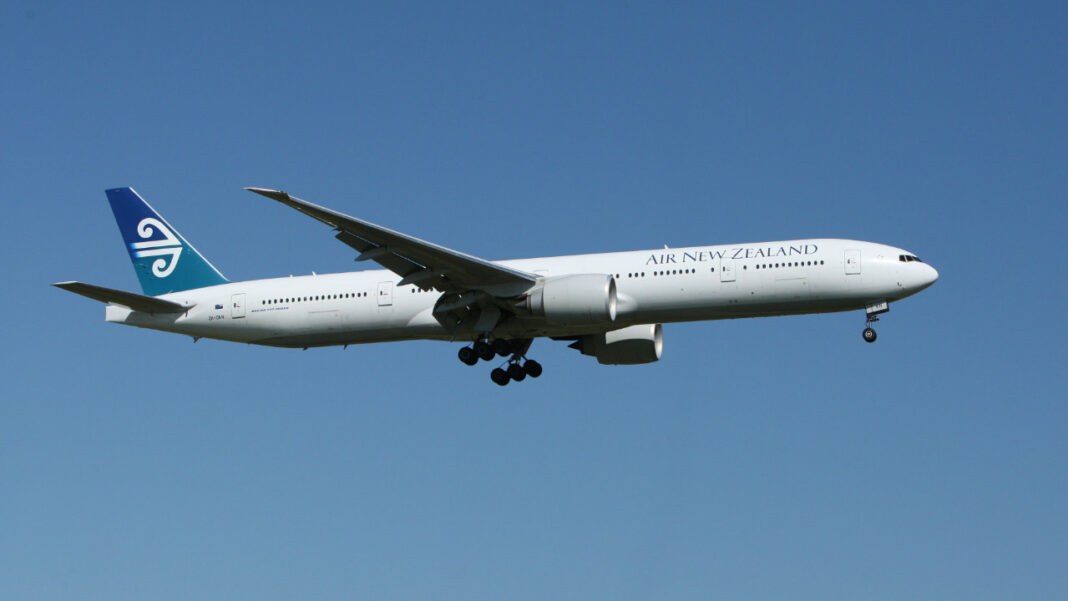

AUCKLAND, August 19, 2026 — Campbell Wilson is embarking on a new journey in his aviation career, moving from the flight deck of an airline to the boardroom of the national carrier of his home country.
For Wilson, this new role is a remarkable return to New Zealand after over 30 years of an international aviation career. His CV includes Singapore Airlines, Scoot and Air India – companies that are entirely different from each other and made him a true expert in premium aviation, low-cost aviation and one of the biggest airline transformation processes ever initiated.
Having joined Air India in July 2022, Wilson’s duty assignment consisted of converting Air India into a world-class airline after Tata Group acquired possession of the airline, and he announced his resignation on April 7, 2026, marking the end of four years of working for the company.
Wilson’s experience at Air India was unique, as during his tenure, Air India went through transformation processes like fleet build-up, operational restructuring, establishment of new infrastructural facilities and merger of the airlines.
However, Wilson’s decision to leave the company came at a moment when the airline encountered serious operational pressure and regulatory challenges, including being under scrutiny for the June 12, 2025, crash of Air India flight, which had resulted in 260 fatalities.
Nonetheless, next steps in Wilson’s career will be different from what he experienced at Air India.
Prior to working with Air India, he dedicated over 26 years to his career at Singapore Airlines, where he also served as the first chief manager of its low-cost airline, Scoot. He played an important role in establishing Scoot as a credible name in the world of budget airline travel.
Now, his experience comes to the forefront at a crucial time for Air New Zealand.
The CEO of Air New Zealand, Nikhil Ravishankar, is experiencing ongoing delays in the maintenance of engines as well as the delivery of aircraft as a result of problems in production and significant fluctuations in the price of jet fuel because of the wars in the Middle East region. The airline is also in the process of implementing its strategy of Te Pae Hou – Our Future.
The timing of Wilson’s appointment adds an intriguing aspect to the situation. Wilson is a former head of an airline and has dealt with both growth and challenges at a global scale. His extensive experience has definitely added value to the management board.
The data about the fleet of Air New Zealand shows that the company had 115 aircraft in operation as of April 30, 2026, and there were 14 aircraft on the way.
Recently it became known that the appointment of Wilson coincides with the retirement of another corporate director from the company. Larry De Shon, an American director of the company, will retire at the upcoming meeting on September 24.
This situation is ironic since Wilson used to fight to change one of the most successful airlines in Asia before he got back to New Zealand. Apparently, he is going to return to the flight industry at a time when it is once again facing difficulties with fuel, supply chain and engines.
This time Wilson doesn’t seem to play a central role in the changes taking place with airlines.