
A new study led by Yale researchers shows something surprising. Extreme weather is quietly shrinking the ranges of more than 500 North American bird species. Heat waves, cold snaps, and droughts are not just short-term problems. They are permanently limiting where many birds can survive.
The study appeared in the journal Global Change Biology. It is the first large-scale look at how extreme weather affects bird biodiversity across an entire continent.
Why Old Models Got It Wrong
Most earlier bird-range models relied on weather averages. They looked at typical seasonal temperatures and rainfall. But averages hide the extremes. A place might have a mild average temperature, yet still suffer brutal heat spikes or sudden freezes. Those spikes can be deadly for birds, even if the annual average looks comfortable.
This phenomenon matters most in the Great Plains and the southwestern United States. These regions are known for wide temperature swings and long dry spells. In these regions, older models badly overestimated where birds actually live. They also overestimated total species counts in these areas. That means past biodiversity estimates for these regions may have been too optimistic.
How the Researchers Studied It
The team built new models that combined satellite data, ground weather records, and millions of bird sightings from eBird. eBird is a public database where everyday birdwatchers report what they see.
Using this data, the researchers tested three types of models. One used only weather averages. Another added seasonal weather change. The third included extreme weather events, like heat waves and cold snaps.
The results were clear. Models that ignored extreme weather predicted much larger habitat ranges than birds actually use. The gap was biggest in winter, when North American weather swings more wildly.
On average, models without extreme weather overestimated winter ranges by 10 per cent. Summer ranges were overestimated by 6 percent.
Some Species Were Way Off
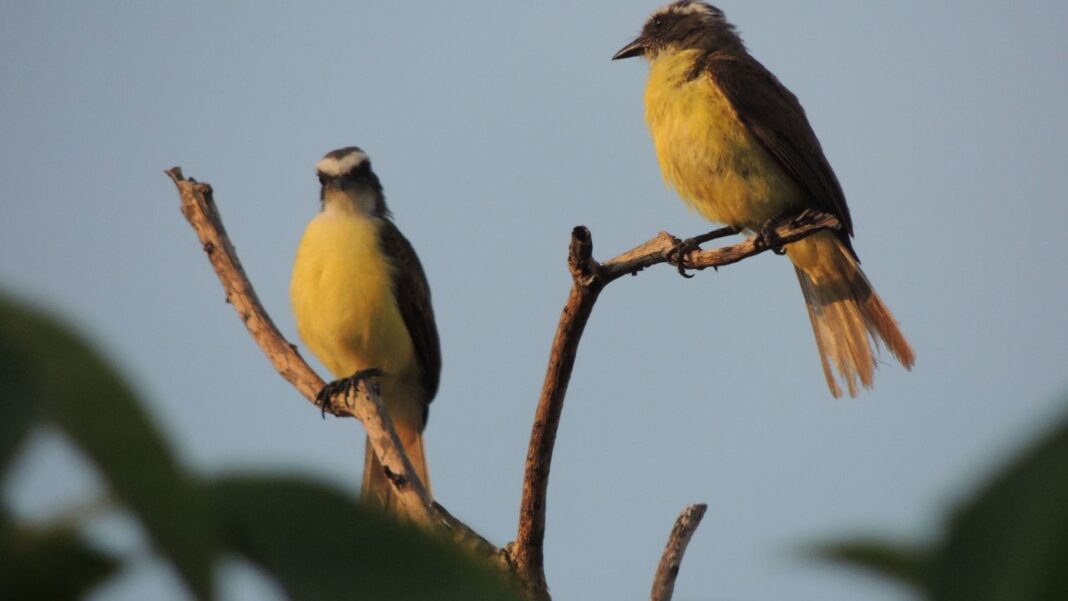
For certain birds, the errors were much bigger. The hooded oriole, which breeds in the southwestern U.S., had predicted ranges about 30 per cent too large. The eastern phoebe, which winters in the southeast, was overestimated by about 20 per cent. The varied thrush, a Pacific Northwest bird sensitive to drought, was overcounted by about 10 per cent.
What the Researchers Are Saying
Lead author Jeremy Cohen, a research scientist at Yale, said the idea makes intuitive sense. Everyone knows extreme weather is increasing with climate change. But no one had measured its effect on bird biodiversity at this scale before.
Cohen studies how climate change reshapes wildlife populations across large regions. He uses satellite imagery, environmental data, and statistical models to track these shifts.
Yale professor Walter Jetz, a co-author and director of the Yale Center for Biodiversity and Global Change, said extreme weather is forcing both animals and humans to adapt. He said scientists can no longer treat unpredictable weather as background noise. It needs to be part of any serious model of where species live.
Cohen agreed. He said extreme conditions often set the real limits on where an animal can survive. Average weather conditions do not tell the whole story.
Why This Matters for Conservation
Better bird-range models help conservation groups protect habitats more effectively. This principle is especially true in regions with little existing wildlife data. Some parts of the country have rich, detailed records of bird populations. Other areas have very little. Accurate models fill in those gaps and guide where protection efforts should focus. Without this kind of data, conservation groups risk spending time and money in the wrong places.
The research team included Yale graduate Shubhi Sharma, Frank La Sorte of the Yale Center for Biodiversity and Global Change, and Diego Ellis-Soto, now at UC Berkeley.
The study was funded by NASA and the E.O. Wilson Biodiversity Foundation, as part of the Half-Earth Project.