TrainingCOLOMBO, Sri Lanka, October 2, 2026 — A Sri Lankan wide-body aeroplane is not simply a vessel for transportation of passengers but is briefly turned into the flying classroom for some of the leading aviation gurus from the Etihad Airlines.Recently Sri Lankan Airlines held the unique Airbus A330 Line Flying Under Supervision (LFUS) program for six lead examination and training pilots from Etihad airlines, thus adding another page in the history of professional cooperation relations between the two airlines. The program engaged five Type Rating Examiners (TRE) and one Senior Type Rating Examiner (STRE).One of the intriguing details relates to the timing. The two pilots from Etihad, who were acting as examiners, finished their training on the 23rd of September, 2026, while the other four completed their training 4 days later on the 27th of September, 2026. This addressed the report have been made by SriLankan Airlines.The importance of this exercise extends beyond just six pilots getting practical experience. In general, Type Rating Examiners are crucial in aviation because they determine whether pilots fulfil the qualifications needed to fly certain types of aircraft.In this particular case, examiners from Etihad Airlines were placed in Sri Lankan Airlines and practised supervised flight operations on the A330 model.Certainly, the choice of aircraft was not made randomly.The Airbus A330 is one of the most reliable wide-body models in aviation. According to Airbus, this aircraft was made available for commercial flights back in 1994, and since that time, the design has gone through various modifications.Depending on what specific version we are talking about, this model can carry hundreds of passengers for thousands of nautical miles.Specifically, the A330-300 is capable of carrying 250 to 290 passengers at a distance of 6,350 nautical miles (11,750 km).Sri Lankan Airlines has experience in operating the aircraft in question. Its current fleet shows that it has an A330-300 in its long-haul fleet, for which the airline has a configuration of 28 business class and 269 economy class seats.However, preparing the training for the foreign aviation examiners means more than just putting skilled pilots in the plane and sending them flying.According to Sri Lankan Airlines, the program involved considerable operational, legislative and security preparations. The airline had to cooperate with the Civil Aviation Authority of Sri Lanka (CAASL), the Ministry of Defense and some other parties to form the required basis and obtain permission.The programme illustrates coordination in another aspect: the international training of pilots takes place under a closely monitored regulatory framework that requires conformity between the parameters of the flight operations, qualifications of the examiners, airspace specifications, and the safety regulations.For Sri Lankan Airlines, this programme signifies the availability of an asset that transcends the boundaries of its passenger operations, namely aviation knowledge.The national carrier emphasized that the aid shows that Etihad has confidence in its ability to train pilots, as well as its operational standards and facilities, while simultaneously indicating the likelihood of the company becoming a key training centre for different operators in the future.Six Etihad inspectors arriving in Sri Lanka for A330 training could signal a bigger change in how the region shares aviation skills.The A330 aircraft serves another purpose for a country whose national carrier is already operating it for thousands of kilometres in international airspace: training the people who help ensure that others fly the plane safely.
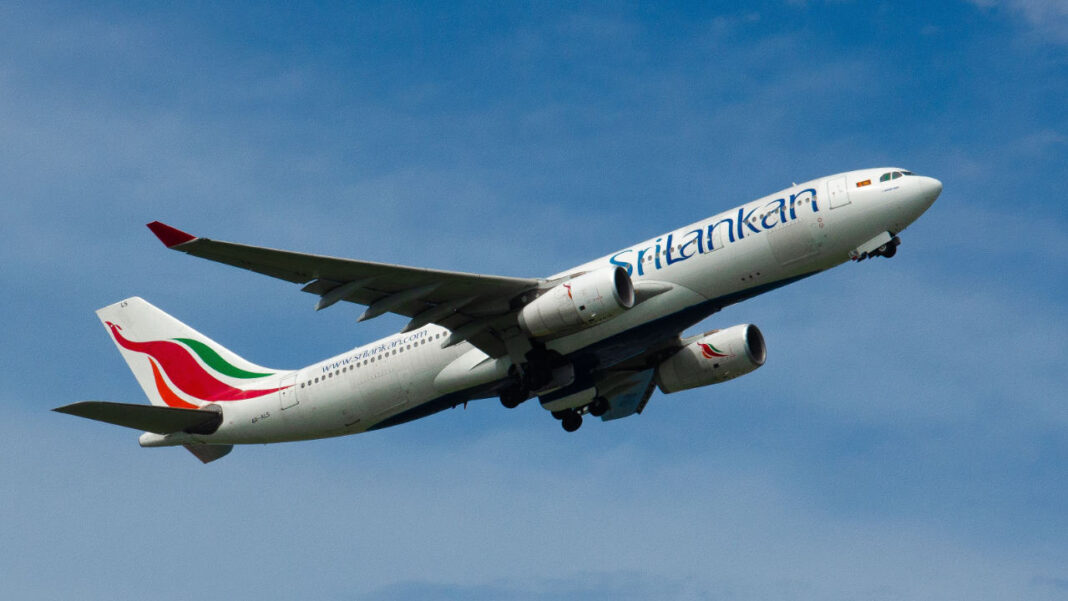
Six Senior Examiners, One A330: SriLankan Airlines’ New Role in Global Pilot
- Advertisement -
(adsbygoogle = window.adsbygoogle || []).push({});

- Advertisement -![sitaramatravels.com]()
![sitaramatravels.com]()
Popular Categories
Previous article

Next article