
Logistics and supply chain networks are the backbone of modern commerce as global e-commerce and consumer electronics continue to grow. The products leaving a factory must go through storage facilities, goods sorting centers, long-haul trucks, and shipping containers before reaching the end consumer. However, manufacturers, carriers, and retailers still face challenges with packaging damage and accountability disputes during this intricate transit process. To get past this friction, Japanese technology company Fujitsu has teamed up with SoftBank Robotics, the Home Appliance Supply Chain Council, and the Distribution Economics Institute of Japan to launch an automated project using computer vision.
In simple terms, computer vision uses digital cameras, sensors, and machine learning algorithms to give computers the ability to “see” and interpret visual data. For general readers not familiar with the technology, high-speed industrial cameras take multi-angle photos of boxes as they move through distribution points, much like a human inspector looks at a carton for tears, dents, or crushing. Then, machine learning algorithms are used to analyze the images in real time to determine condition, integrity, and damage severity.
Damage to the outer packaging in the logistics of consumer goods is much more than a cosmetic problem. If you are shipping heavy or fragile domestic appliances such as washing machines, refrigerators, or televisions, severe damage to an outer carton is a strong indicator of shock to internal components or compromise of the structure. Therefore, damaged deliveries are frequently turned away by receiving warehouses or retail stores at the loading bay. These product returns lead to expensive reverse logistics, tying up inventory, increasing freight costs, and raising transport emissions.
One of the long-standing challenges in the supply chain has been determining when and where damage in transit took place. It is very challenging to know whether a dent happened when the goods were first loaded at the factory, while a forklift was handling them in the warehouse, or while they were travelling on a third-party delivery truck, if only manual checks are done. Physically inspecting each side of each box makes the sorting process slower, puts a strain on the labor in the warehouse, and leaves room for human error.
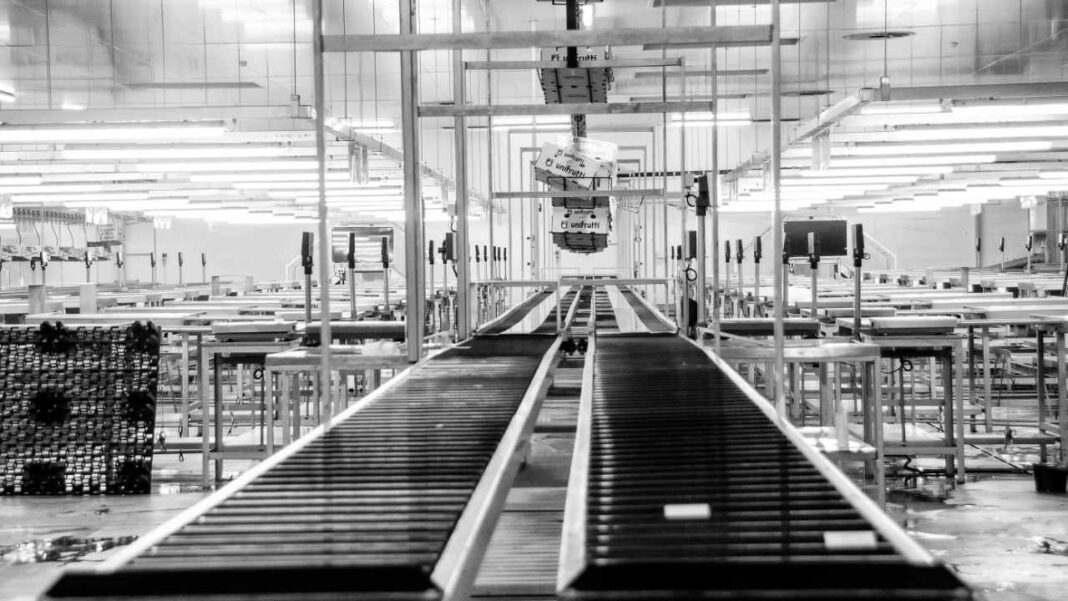
The new pilot project combines the “Fujitsu Kozuchi” AI computer vision platform with automated logistics environments powered by SoftBank Robotics to deal with this bottleneck. Cameras mounted on conveyor lines and transfer bays automatically take full-coverage images of passing cartons. The vision system instantly checks surfaces for tears, puncture holes, warping, and signs of moisture, creating an objective condition record for each shipment.
There are two important operational benefits of automating this assessment. First, it sets common inspection criteria. One warehouse worker may consider minor wear, while another may consider it unacceptable. An AI model uses standardized thresholds for all shifts. Second, a continuous photo audit trail allows companies to see exactly where in the handoff things are going wrong. This real-time visibility enables supply chain managers to correct bad handling procedures, address carrier issues, and resolve claims without lengthy back-and-forth disputes.
In addition to short-term operational benefits, it is beneficial for the environment to reduce damage from transit. Fewer refused shipments mean fewer return trips for goods and less packaging waste. Cutting returns helps to reduce the consumption of unnecessary fuel and the quantity of corrugated cardboard that is thrown away.
The trial in Japan is indicative of a larger push for automated monitoring of global logistics. Instead of tedious manual inspections at loading docks, supply networks use real-time data and computer vision to improve transparency and reliability of operations. Smarter tracking at the container level is a practical way to reduce waste and disputes across global distribution chains for both the logistics operator and the end consumer.