
GABORONE — 16 NOVEMBER 2026
Botswana is slowly realising the value of its sun, which is becoming one of its most valuable energy sources. And while the country is moving on the path of raising its renewable energy targets, one crucial question rises: what is going to happen when the sun is no longer shining bright while the electricity needs keep growing?
The answer may be found in the energy storage system that is going to be installed in one of the solar PV clusters in the country.
Botswana Power Corporation (BPC) has announced the construction of a 25 MW battery energy storage system with a storage capacity of 100 MWh in the Bobirwa District. Its current Environmental and Social Management Plan was published on November 10th, 2026.
The installation will be situated about 8 kilometres south-east of Mmadinare, with 20 battery containers and five power conversion units. Its construction is expected to commence in 2027 and will take around nine to twelve months to be completed.
The technology may be very significant after the dark hours; in fact, at maximum output, the 100MWh facility would generate electricity for four hours at 25 MW output before taking into account operational losses and reserves. It is aimed at stabilising generation from solar parks, easing peak demand and providing vital frequency-regulation services.
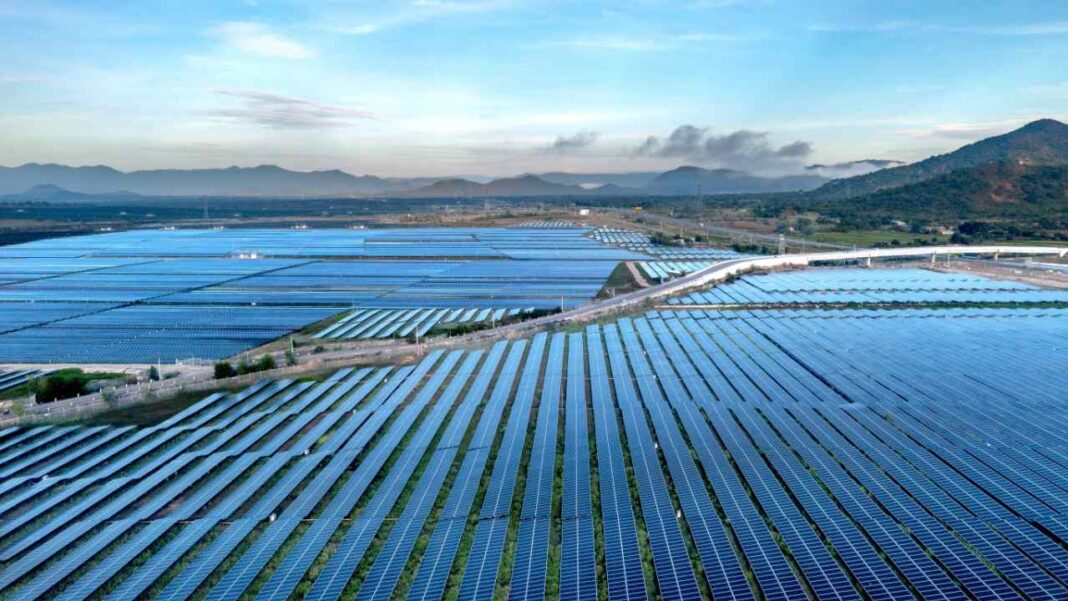
The company already has successful experience in this area. When BPC officially opened the solar plant on August 31 of the year of 2026, BPC’s CEO David Kgoboko said that the solar establishment had generated 243,288 MWh and was 99% available and reliable. The plant is run by Norwegian company Scatec according to a 25-year long-term purchase agreement with BPC.
Nevertheless, Botswana still has a strong reliance on coal. Solar plants in the locations of Bobonong, Phakalane, Shakawe, and Mmadinare produced about 82,520MWh in the first quarter of 2026, accounting for 9.1% of local energy generation against 3.2% a year ago. At the same time, coal plants Morupule A and B continued to dominate the energy sector.
In addition to ensuring energy security, the project has one more potential advantage in terms of climate financing, as identified by Botswana’s Third Nationally Determined Contribution, which was submitted in the framework of COP31 held in Antalya, where energy production was named the major potential sector for carbon market activities in the country. The established carbon market framework might help attract climate investments from abroad, although it is not guaranteed that carbon credits will earn profits. The broader Renewable Energy Support and Access Accelerator Program funded by the World Bank presents a vital financial base for this transition.
However, the problem of Botswana goes beyond producing clean energy. The country should be able to provide renewable energy as per users’ needs.