
DAR ES SALAAM, TANZANIA — 5 NOVEMBER 2026
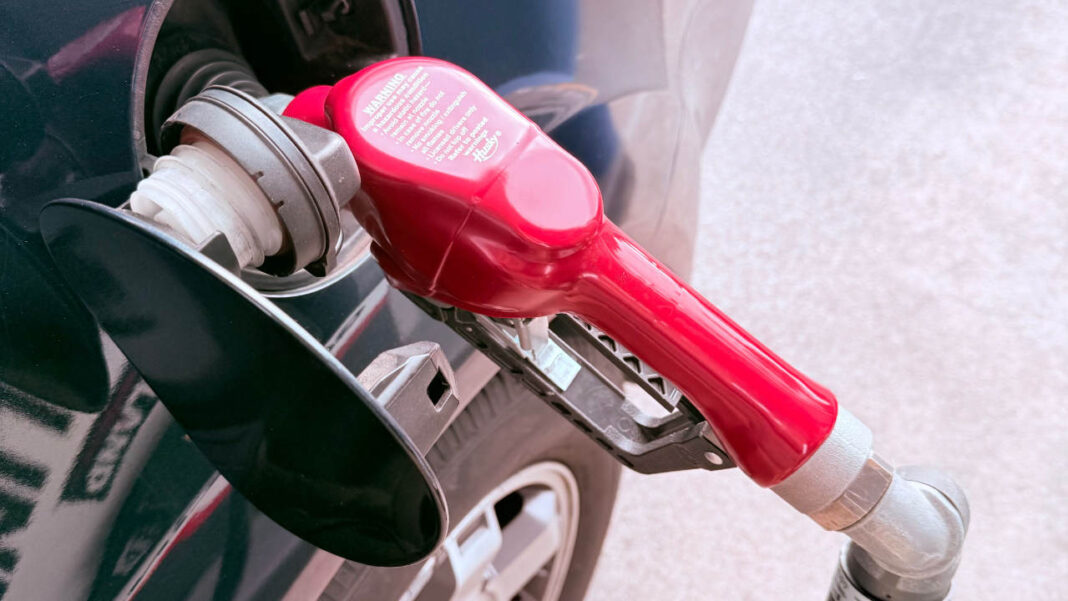
What happens if the price of certain important goods increases by more than a half in the course of a year? For millions of Tanzanians, the answer has become apparent in gas stations and in the cost of transportation services and could appear in retail prices for some goods. In fact, Tanzania faces a serious fuel prices shock, with diesel prices gaining a stunning 52.7 percent yearly increase that raised questions about the cost of living and business competitiveness in the country.
As the numbers shared by the Energy and Water Utilities Regulatory Authority show, the price of fuel has increased significantly from November 2025. The price of petrol in Dar es Salaam has increased from TSh 2,752 (about $1.04) to TSh 4,083 ($1.55), which is an increase of 48.4 percent.
But diesel consumers are facing the greatest challenges. The diesel price has increased from TSh 2,704 ($1.02) to TSh 4,128 ($1.56), with an increase of 52.7 percent. The price of kerosene has also increased by 48.4 percent from $1.05 to $1.56.
The pressure has not eased in November. On Wednesday, 4 November 2026, EWURA announced the latest maximum retail prices effective immediately. Compared to October, petrol increased by TSh 26 (approximately US$0.01), diesel increased by TSh 42 (approximately US$0.02), and kerosene increased by TSh 50 (approximately US$0.02) per litre.
The price hike is not exclusive to Dar es Salaam. Diesel prices have gone up by almost 51.6 percent in Tanga and 51.3 percent in Mtwara in the previous year.
The question remains: what is behind this explosion of prices?
EWURA has indicated that the reason behind the surge in prices in the country is partly the ongoing war in the region, which is one of the main sources of oil for the country, as well as high oil prices internationally, together with other expenses such as freight, shipping, and insurance.
At the same time, the international market has exerted pressure. According to the US Energy Information Administration referred to in the report, Brent crude reached US$114.16 per barrel in September 2026 and increased to around US$124-125 in October.
The ramifications might go much further. Transportation companies have to deal with higher operating costs, and the same thing applies to companies in the market whose profit margins might become thinner. As distribution costs increase, common households may also suffer more.
While according to the Tanzanian government, everything is under control and stable fuel supplies are being ensured, the major question remains: how much more financial burden can ordinary consumers and businesses take before costly fuel becomes an even greater barrier to economic growth?