

LONDON — 19 NOVEMBER 2026
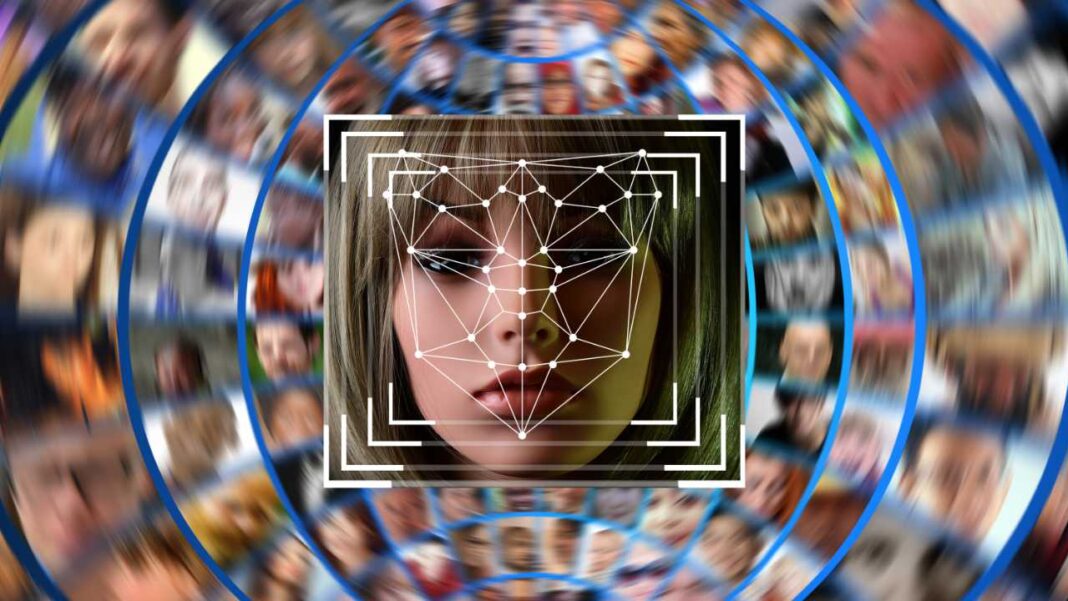
What happens when a computer-generated face match is strong enough to get someone innocent caught up in an arrest? And more importantly, who is responsible when the system misidentifies a subject as a result of a technological failure? Such queries are emerging at a very important time in the UK, where a new warning has been issued by the police inspectorate regarding the safety concerns surrounding the use of facial recognition technology.
On 12th November 2026, Big Brother Watch UK published a detailed account of the HMICFRS report that highlighted giant flaws in the use of retrospective facial recognition technology. This type of technology is used mainly to compare photos acquired from sources like social media and CCTV cameras to police files in search of potential offenders.
Nevertheless, the concerns regarding privacy are much broader than just identifying lawbreakers. As the reports suggest, the Police National Database possesses over 20 million images of individuals in custody that they have encountered in the past, while regulatory bodies also found that photographs that ought to be deleted under the retention rules can still be used for searches. The problem is especially important, as being in the possession of a photograph does not necessarily mean that the person has committed a crime and is guilty.
The extent of the technology’s use is impressive in the particular aspect. Police forces performed 291,341 historical facial recognition searches in the year ending March 31, 2026. Such broad access to biometrics poses tremendous challenges to data retention and accountability, as well as a period when a person may still be known via police databases.
The analysis of instances of discrimination committed by algorithms showed that women, Black people and representatives of Asian origin had higher chances of being recognised as a match under certain parameters. The agency released 16 recommendations aimed at improving control over its practices.
While commenting on the research, Jasleen Chaggar, the Senior Legal and Policy Officer of Big Brother Watch, called the practice of considering probability indexes as established fact distressing, saying that due to these practices, innocent people may end up being treated as suspects without the police even keeping records on how identities were established.
While Chaggar admitted that retrospective facial recognition could have a valid use in law enforcement, she stated that regulation of its use should come with restrictions similar to those applied to evidence from DNA and fingerprints. Chaggar suggested that the government create a strong legal framework instead of letting police use the technology without meaningful democratic oversight.
The uproar coincided with the announcement by the British government on 4 November 2026 of its plans to introduce stricter regulations for police use of facial recognition technology.
In conclusion, this subject is no longer just related to whether AI is able to identify human faces anymore; it has turned into questions of whether it’s at all possible for governments to provide protection of personal privacy when the most distinctive human physical feature becomes biometric data. Without transparency in the processes, supervision, and regulation, this technology, originally designed to catch criminals, may also be used against ordinary innocent people.