

WASHINGTON, UNITED STATES — 6 NOVEMBER 2026
What do you do when a war, believed by the president, would display the power of the US and turn into a political hindrance that can change life in Washington? This question becomes more and more difficult for Donald Trump to avoid after the disastrous results of the midterm elections for the Republicans on the 3rd of November of 2026.
Democrats gained control over both Houses of Congress, and Trump faces the bitter truth – the war against Iran that is barely eight months old has turned into one of the biggest scandals of the president’s term.
However, the most important question is not how this war influenced the elections. The more critical issue is what actions are likely to follow after the elections.
Trump had been announcing his intention to unleash total bombing on Iran unless the Tehran government agreed to the US terms before the elections, so now anticipation of a potential escalation of military operations due to the election results is worrying the countries of the Middle East.
Nonetheless, the Republicans’ loss raises two different implications. On one hand, Trump may be forced to consider the economic implications that were key factors in his party’s loss and therefore pursue less military action. On the other hand, Trump may adopt a more aggressive approach and become less careful in his military activities since he has already sustained significant political destruction.
His statements in public provide no signs that indicate a retreat from earlier decisions. On Thursday, November 5, while talking to the reporters in the White House, Trump said that the country would continue fighting the war. He also claimed that if he had known what he knows now, he would have continued making the same decisions.
The statistics show exactly why this topic has become politically sensitive. According to the Associated Press Voter Poll, which conducted surveys among 100,000 voters, almost 60% affirmed that military operations against Iran were an incorrect action. The war on Iran has also been unpopular among many Democrats and Republicans. The departing Republican governor Ron DeSantis described the war as “big, big drag” and said, “We just got to be honest. Gas is higher. It hurts people, working-class people, and it’s higher because of this conflict. That’s just a fact.”
Now oil prices have emerged as a particularly important issue for voters. Almost 60% said that they were very much concerned about the prices for gas and diesel, which proves that a military event occurring far away can bring an immediate financial problem for homes.
Various military options may be proposed, each involving certain risks.
Military experts have identified various options that Trump may consider. One option is to stick the current strategy of defensive bombardments combined with a naval blockade that restricts Iran from exporting oil. Another option is to target the deeply hidden Pickaxe Mountain facility, which is associated with the development of Iran’s nuclear programme. A third option is to launch a massive attack against Iran’s facilities.
Analysts have highlighted these as possible cases, but they are not guaranteed decisions made by the government.
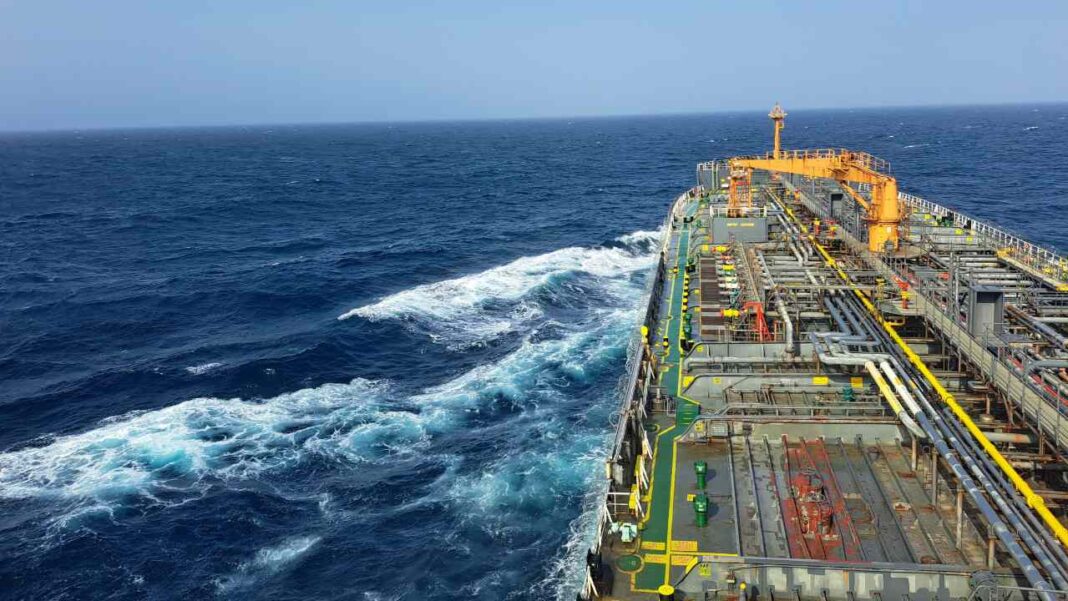
The ongoing conflict between the United States and Israeli military forces and Iran has made sure there are many consequences worldwide. Even though oil ships continue to cross through the Strait of Hormuz under the protection of the U.S. navy, shipping remains vulnerable and heavily secured, as shipping volumes from the Gulf are lower than they used to be before, and the shipping corporations have to pay a lot of money for the insurance in connection to the war.
Energy markets have experienced severe volatility: although Brent crude briefly eased below US$95 per barrel around early November, prices have historically spiked well past US$100 (and higher earlier in the crisis), keeping household budgets and global inflation under constant strain. Politically, following the midterm electoral setback that cost Republicans control of Congress, President Donald Trump faces stark strategic choices regarding Iran—ranging from continuing or escalating military pressure to pursuing diplomatic off-ramps—with the domestic and international consequences of these decisions stretching far beyond Washington.