
By Savithri Rodrigo
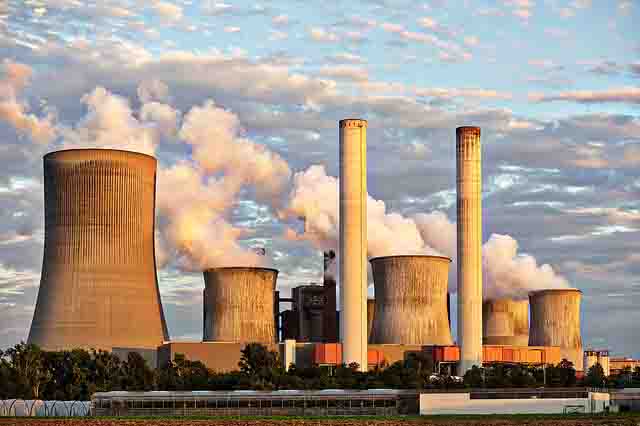
Cape Town, South Africa (Commonwealth Union)_Plagued by electricity blackouts which are slowly grinding Africa’s most industrialised economy to a halt, South Africa is now scrambling to develop new legislature to speed up energy projects to generate capacity. The country’s energy crisis is seeing industries come to halt, prices skyrocketing and even essentials becoming scarce.
Decades of depending on ageing coal power stations, lack of focus, under investment in new and alternative energy projects and delays in instituting policies to encourage private sector participation have resulted in constant power cuts, which have been plaguing the country for months. These are undeniably the country’s worst power cuts on record and are set to continue through 2024.
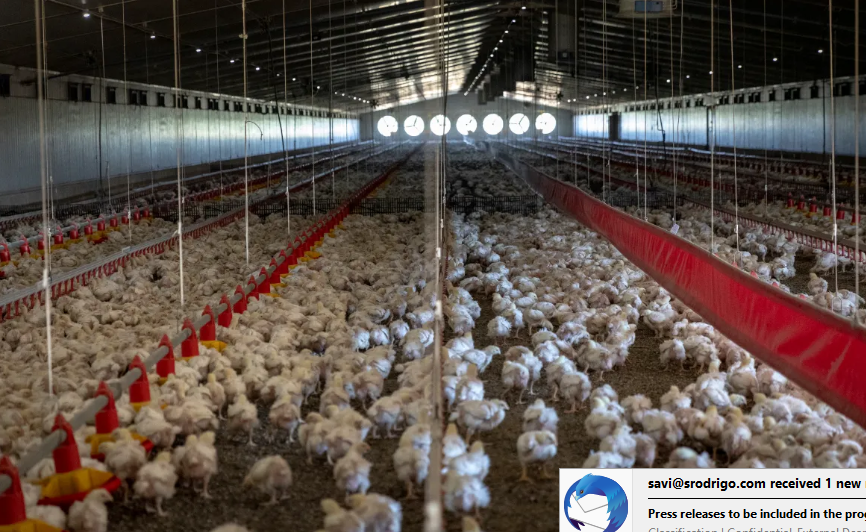
The scheduled load shedding’s latest victim has been the food industry, where dairy farms are unable to run refrigerators, chickens are suffocating due to ventilators not working, shortages of staples and price increases, all taking a heavy toll on the country, citizens, economy and productivity. Affordability of food basics is a challenge which also means the onset of hunger and malnourishment will follow.
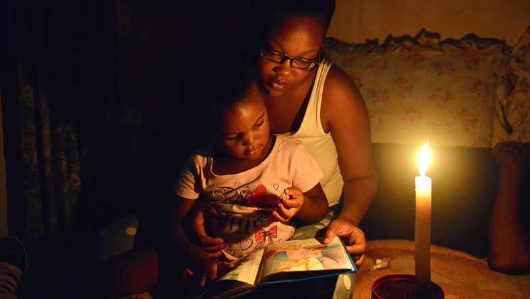
The power outages have reached new extremes in the past 12 months as wage disputes and strikes have plagued the power sector already grappling with under-capacity.
The Government has assured that it is currently working on developing emergency legislation to be tabled in Parliament which will allow energy projects to be implemented speedily. However, South Africa’s bane has been the web of bureaucracy which makes it difficult to institute solutions in the current regulatory framework which isn’t designed to deal with a shortfall of power capacity.
An Energy Action Plan was announced by President Cyril Ramaphosa in July but little has been accomplished. The Plan includes raising licensing requirements for private generation projects and importation of power.