
Fiji is a small island nation in the Pacific Ocean that is highly vulnerable to the impacts of climate change, such as rising sea levels, more frequent and intense cyclones, and changes in rainfall patterns. To address these challenges, the government of Fiji, with the support of the United Nations Development Programme (UNDP), has launched a Nature-based Solutions (NbS) project to boost climate resilience in the country.
Nature-based Solutions are actions that use nature to address societal challenges, such as climate change, biodiversity loss, and water scarcity. The NbS project in Fiji focuses on using natural solutions, such as mangroves, coral reefs, and forests, to help communities adapt to the impacts of climate change.
One of the key components of the NbS project in Fiji is the restoration of mangrove forests. Mangroves are a type of coastal vegetation that play a vital role in protecting shorelines from storm surges, reducing erosion, and providing habitats for a wide range of marine life. The project aims to restore 300 hectares of degraded mangrove forests in three priority areas: Ba, Ra, and Tailevu.
The restoration of mangrove forests will be carried out through a community-based approach, with the participation of local communities and other stakeholders. The project will provide training and technical support to communities to help them carry out the restoration activities, such as planting and maintaining mangrove seedlings.
Another key component of the NbS project in Fiji is the promotion of coral reef resilience. Coral reefs are a vital ecosystem in Fiji, providing food, livelihoods, and cultural significance to local communities. However, coral reefs are under threat from a range of human activities, such as overfishing, pollution, and climate change.
To promote coral reef resilience, the project will work with local communities and other stakeholders to implement measures such as sustainable fishing practices, coral reef restoration, and marine protected areas. These measures will help to reduce the impacts of human activities on coral reefs and promote their resilience to the impacts of climate change.
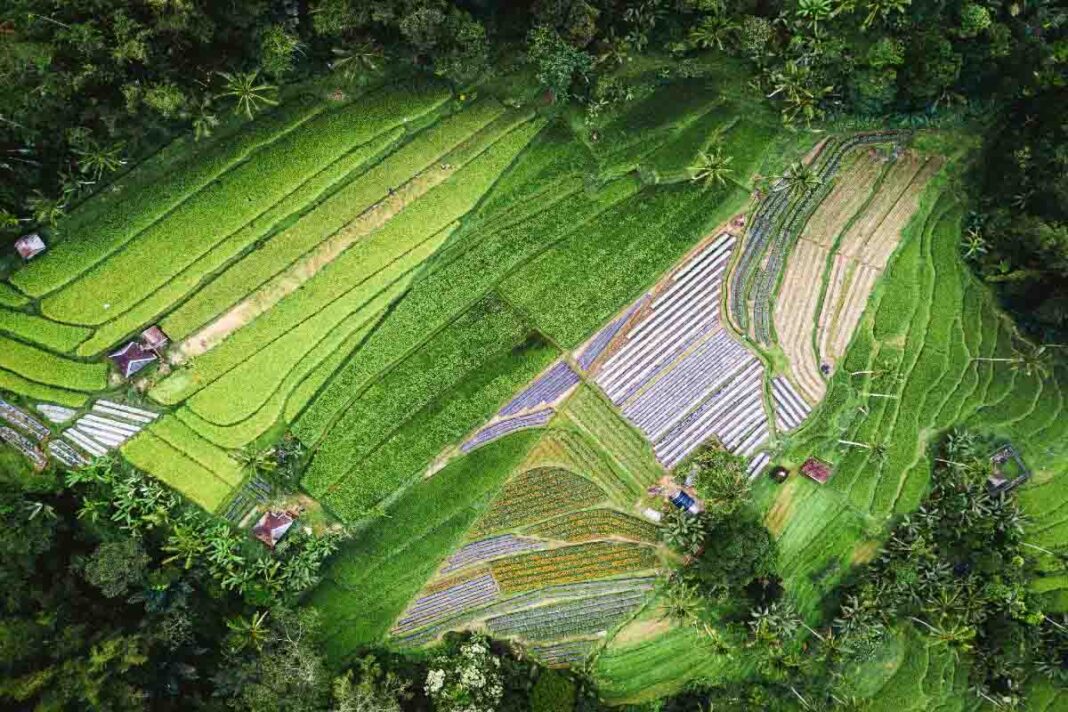
The NbS project in Fiji also aims to enhance the resilience of forests and other terrestrial ecosystems. The project will work with local communities to implement sustainable land-use practices, such as agroforestry and sustainable agriculture, that can help to protect and enhance the resilience of forests and other ecosystems.
Overall, the NbS project in Fiji is a promising initiative that can help to boost the resilience of local communities and ecosystems to the impacts of climate change. By using natural solutions such as mangroves, coral reefs, and forests, the project can provide a range of co-benefits, such as biodiversity conservation, poverty reduction, and sustainable development. The project also demonstrates the importance of community-based approaches and the involvement of local stakeholders in the design and implementation of nature-based solutions.