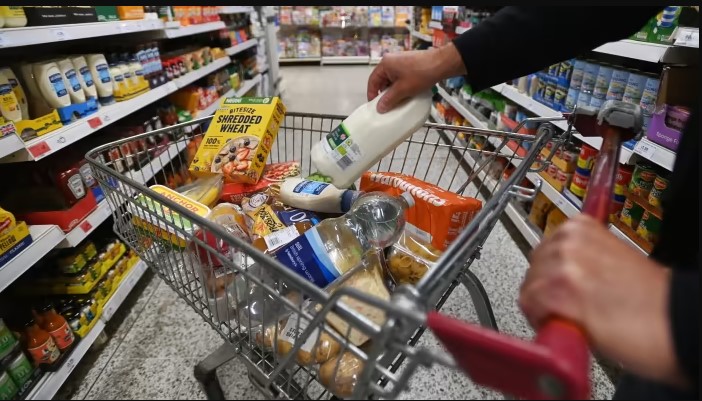

Prime Minister Rishi Sunak is planning to ask retailers to commit to the lowest feasible price for selected essential foods including milk and bread, aiming to address the rising cost of living since the cost of such essentials continued to rise in the double digits.
The Telegraph reported on Saturday that No. 10 office is in talks with supermarkets drawing inspiration from a deal that is similar to an arrangement observed in France where the ‘lowest possible amount’ is charged by major retailers.
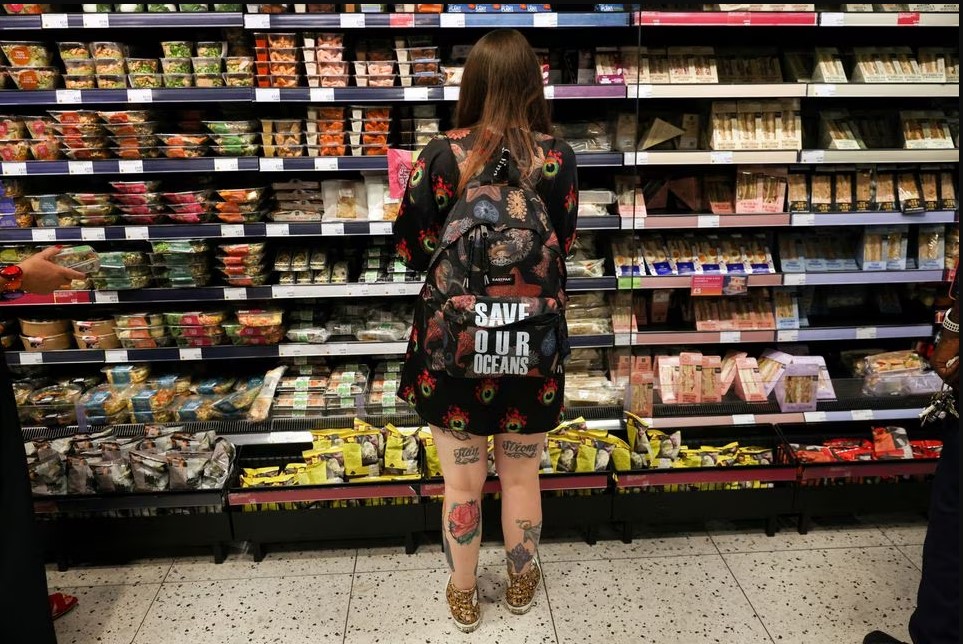
Downing Street is developing strategies at present to curb inflation, with a team of aides who are negotiating with supermarkets under Sunak’s initiative. The plan involves the lowest feasible price being charged for selected essential food products by major retailers. It was reported that discussions with retailers are in their preliminary phases.
The latest figures by the Office for National Statistics (ONS) specified that prices of food continued surging rapidly, reaching the highest rate of increase in almost forty-five years. The consumer price inflation in the UK eased to 8.7% in April year on year down from 10.1% in March, but over the 8.2% expected figure. Although the price growth of groceries decelerated a little in the year leading up to April, it stood at 19.1% approaching record levels.
Great Britain has the highest rate of inflation for food in Western Europe with prices up over 19% above the past year, which is the worst such run since the 1970s with household budgets being strained by surging energy prices.
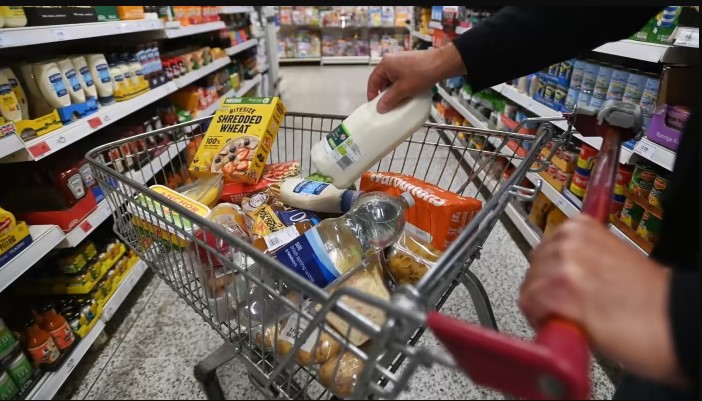
Major supermarkets such as Sainsbury’s and Tesco have declared price cuts on certain food items in recent weeks.
The government’s new regulation for many of the costs was blamed by The British Rail Consortium (BRC) which represents all the major supermarkets, urging it to simplify rules ‘rather than recreating 1970s style price controls’, in a statement. BRC’s Andrew Opie stated that it would make a jot of difference to prices since the soaring cost of labour, transport and energy as well as higher prices paid to farmers and food manufacturers directly result in high food prices.