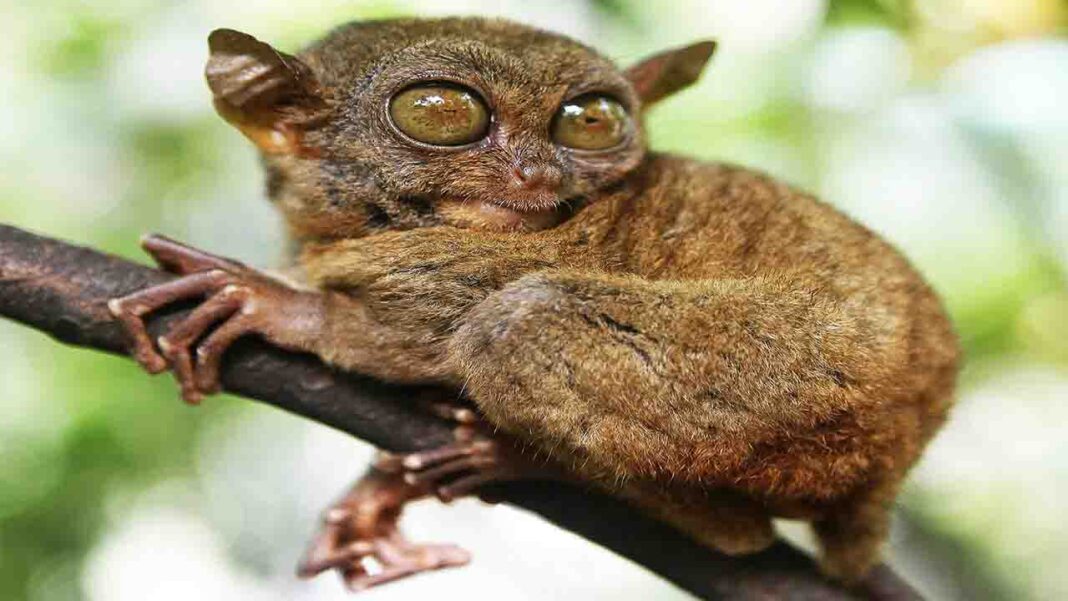


Europe UK (Commonwealth Union) – The government of the UK has announced its latest measures to block the keeping of primates as pets. Primates, such as marmosets, squirrel monkeys, lemurs, and capuchins, are a group of mammals with intricate welfare and social requirements that experts believe cannot be adequately met in a domestic setting. According to the RSPCA, it is estimated that there are currently between 1,000 and 5,000 primates kept as pets in the UK.
In line with their manifesto commitment, the government has introduced proposals that will enforce zoo-level standards for all primates in England. These measures essentially constitute a ban on keeping primates as pets. The proposals are now open for a four-week public consultation period. During this time, feedback will be gathered on a potential licensing scheme for privately owned primates in the UK, as well as on the new draft standards for the care and management of privately kept primates.
Currently, the Animal Welfare Act already considers it an offense to keep a primate without providing for their welfare needs or causing them unnecessary suffering. However, these new plans aim to further strengthen these regulations and raise their effectiveness.
“This Government remains committed to maintaining and improving its world-leading animal welfare standards – including for primates who have complex welfare and social needs,” added Animal Welfare Minister Lord Benyon
“Today’s announcement is the start of the process of ensuring these intelligent and curious wild animals are better protected and respected. This will fulfill the Government’s manifesto commitment to ban the keeping of primates as pets.”
Since 2010, significant progress has been made in improving animal welfare. Such as harsher penalties for animal cruelty law and establishing a system of accountability to Parliament. This ensures that government policy decisions are required to take into account the welfare needs of animals.
Strengthening enforcement measures by increasing the maximum sentences for animal cruelty. Previously, the maximum sentence was six months, but it has been extended to five years imprisonment, reflecting the seriousness of such offenses.