
For years, the global conversation about climate change has focused on cutting carbon emissions. Now the world is starting to pay attention to another key challenge: preparing communities for extreme weather that is already happening. Adaptation covers things like better water systems, cooler cities and wildfire preparedness. As delegates get ready for the United Nations Climate Change Conference (COP31) in Antalya, European policymakers are weighing a practical approach that pairs future emission cuts with immediate adaptation.
International organisations estimate that, based on current trends, average temperatures could be 2.6°C to 2.8°C above pre-industrial levels by the end of the century. After repeated droughts, deadly wildfires and extreme heatwaves in the Mediterranean, the European Commission has called on member states to base their risk plans on a possible 3°C warming scenario. It is a clear shift in regional policy: adaptation now sits alongside decarbonisation targets as a key pillar of long-term economic planning.
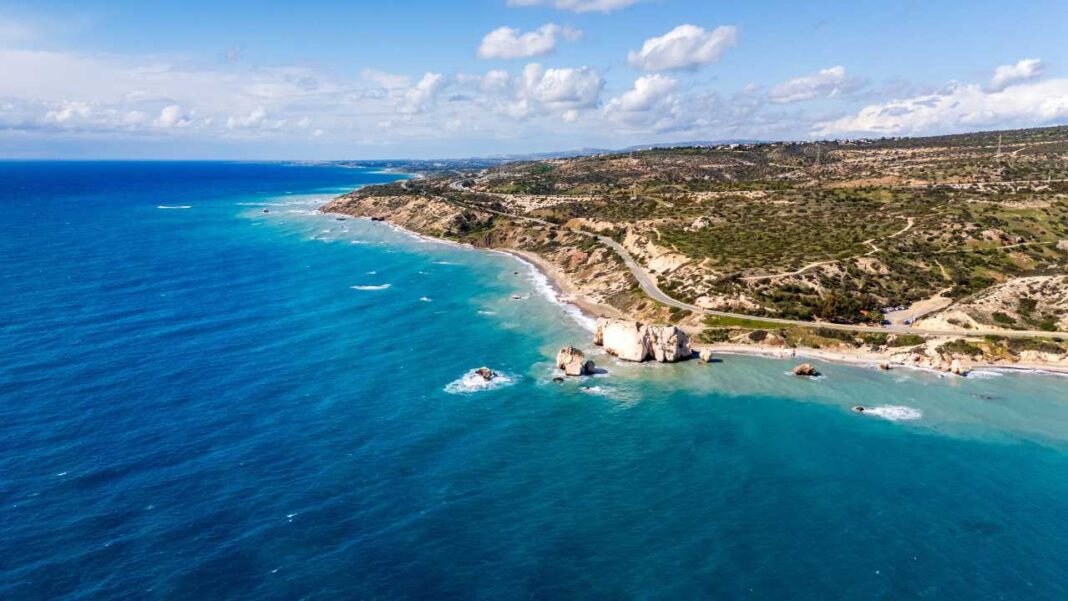
Cyprus knows the problem well. The eastern Mediterranean island, a member of both the Commonwealth and the European Union, faces long droughts, severe summer heat and acute water shortages that hit agriculture, tourism and public infrastructure. The Mediterranean is warming much faster than the world average, so resilience is a daily, practical necessity.
Cyprus will be represented at COP31 by President Nikos Christodoulides and Environment Minister Christos Senekis, and it is lining up its domestic policy with wider European goals. The country is updating its national adaptation framework through 2050, with more than one hundred targeted initiatives across 15 economic sectors. Top priorities include modernising irrigation to cut water loss, reusing more treated wastewater, improving wildfire preparedness and adding shade and trees to urban neighbourhoods to reduce heat.
The message for outsiders is that climate action is shifting from abstract, long-term goals to organised, local preparedness. Summits like COP31 are where funding and emissions pledges are negotiated, but actual resilience depends on reliable delivery on the ground. Island states and regional blocs are taking visible steps such as protecting people and public assets, planning for realistic temperature scenarios and financing regional infrastructure safeguards. These plans may not make the news, but they will determine how well people cope with the next heatwave or drought.