
(Commonwealth) _ The world is at a critical juncture in its efforts to combat climate change and reduce its dependence on fossil fuels. Petroleum-based products, such as plastics, fuels, and chemicals, have long been the backbone of the global economy, but their production and consumption have resulted in severe environmental consequences. To address these challenges, scientists are turning to synthetic biology, a cutting-edge field that offers promising solutions in the quest for environmentally friendly petroleum product substitutes. By utilizing the tools of synthetic biology, researchers are designing innovative ways to produce sustainable alternatives that can pave the way to a greener and more sustainable future.
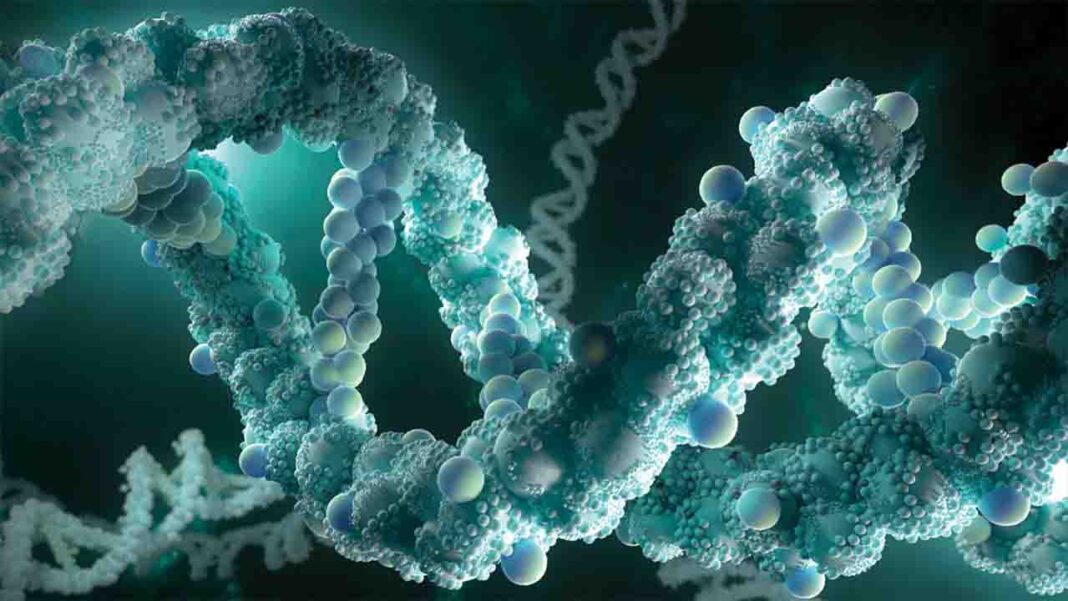
Synthetic biology is an interdisciplinary field that combines principles from biology, genetics, engineering, and computer science to design and construct biological systems or organisms that do not naturally exist. The focus lies in re-engineering living organisms or creating artificial ones by manipulating their genetic code to perform specific functions. This powerful technology has opened new avenues for the development of renewable and eco-friendly solutions to various industrial challenges.
One of the most significant environmental issues arising from petroleum-based products is the ubiquitous presence of plastic waste. Synthetic biology offers a promising approach to tackle this problem by creating bio-based plastics as substitutes for traditional petroleum-derived plastics. Researchers are engineering microorganisms to produce biodegradable plastics such as polyhydroxyalkanoates (PHA). These plastics have similar properties to conventional plastics but can be broken down naturally by microorganisms, reducing their impact on the environment.
Transportation remains heavily reliant on fossil fuels, contributing significantly to greenhouse gas emissions. To reduce this impact, synthetic biology is playing a crucial role in producing advanced biofuels that can replace traditional petroleum-based fuels. By manipulating the genetic makeup of algae, yeast, and other microorganisms, researchers can optimize the production of biofuels like ethanol and biodiesel. These biofuels not only offer a cleaner alternative to gasoline and diesel but also have the potential to be more sustainable and carbon-neutral.
The chemical industry is another major consumer of petroleum-derived products, generating harmful byproducts and consuming vast amounts of energy. Synthetic biology is revolutionizing this sector by enabling the production of green chemicals through biomanufacturing processes. By engineering microbes to produce specific chemicals, the reliance on fossil fuel-based feedstocks can be reduced significantly. This approach not only decreases the industry’s environmental impact but also opens up possibilities for novel, eco-friendly chemical compounds.
One unique application of synthetic biology lies in carbon capture and utilization (CCU). Scientists are exploring ways to engineer microorganisms that can capture carbon dioxide from the atmosphere and convert it into valuable products, such as biofuels or bio-based materials. This process not only reduces greenhouse gas emissions but also transforms carbon dioxide into a valuable resource, creating a closed-loop, sustainable system.
While the potential of synthetic biology to create environmentally friendly petroleum product substitutes is promising, it also raises important regulatory and ethical questions. The release of genetically modified organisms into the environment requires stringent oversight to prevent unintended consequences. Striking a balance between technological advancement and environmental safety is essential.
As the urgency to address climate change intensifies, the search for sustainable alternatives to petroleum-based products becomes more critical. Synthetic biology offers an arsenal of tools to combat these challenges by producing eco-friendly substitutes for plastics, fuels, and chemicals. The strides made in harnessing this technology exemplify the immense potential to build a greener and more sustainable future. However, careful consideration of regulatory frameworks and ethical guidelines is paramount to ensure that these advancements are deployed responsibly, safeguarding both the environment and human well-being. With continued research and global collaboration, synthetic biology has the capacity to transform industries and lead us towards a more sustainable and environmentally conscious world.