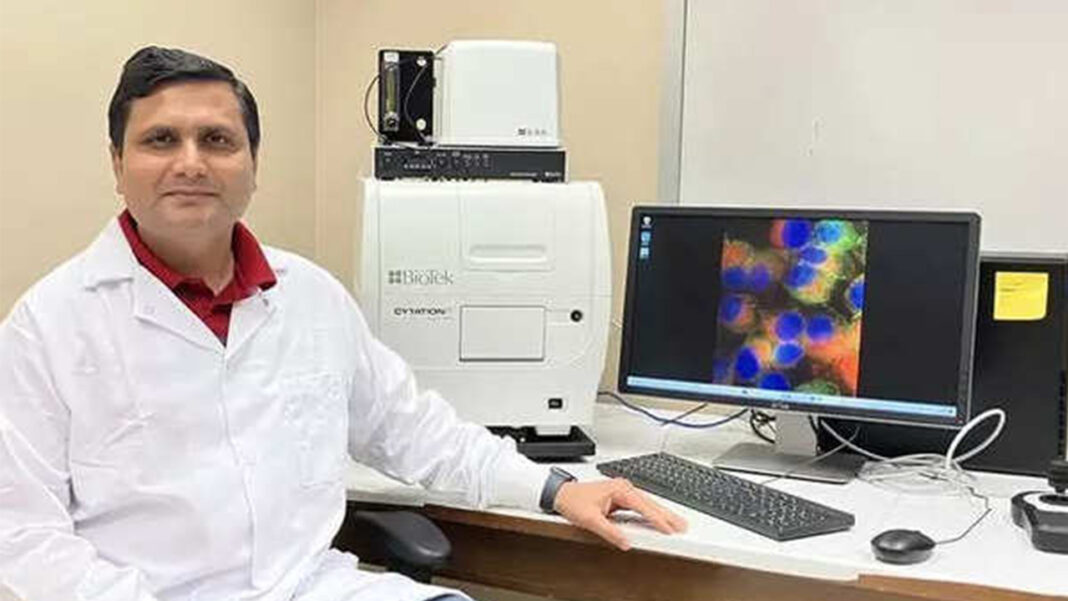

Diaspora (Commonwealth Union) _ Vivek Bajpai, an Indian-origin researcher, and his team have achieved a notable breakthrough in comprehending the genetic underpinnings of human pigmentation. Their groundbreaking study, featured in the journal Science, has successfully pinpointed 135 novel genes linked to the production of melanin. Melanin is the pigment responsible for shaping human skin, hair, and eye color, and this discovery holds significant implications for advancing our understanding of the intricate genetics governing these traits. This achievement contributes to the broader scientific knowledge surrounding human genetics and has the potential to influence various fields, from anthropology to medical research.
Melanin is produced within specialized structures called melanosomes, found inside melanocytes, the cells responsible for producing melanin. While all humans have the same number of melanocytes, the amount of melanin they produce varies, leading to the wide range of human skin colours.
To investigate the factors influencing melanin production, the researchers used CRISPR-Cas9 gene editing technology to systematically remove over 20,000 genes from millions of melanocytes, observing the resulting impact on melanin production. They developed a novel method using in vitro cell cultures to separate cells based on their melanin-producing activity.
The study identified 169 genes that affect melanin production, with 135 of them being previously unknown. Among the newly discovered genes, KLF6 was found to lead to a loss of melanin production, confirming its role in other species as well. Another gene, COMMD3, was found to regulate melanin synthesis by controlling the acidity of melanosomes.
This research has implications for various areas, including understanding skin cancer risk in lighter-skinned individuals and potentially developing treatments for pigmentation-related disorders like vitiligo. It sheds light on the complex genetics behind human pigmentation and opens avenues for future medical advancements.