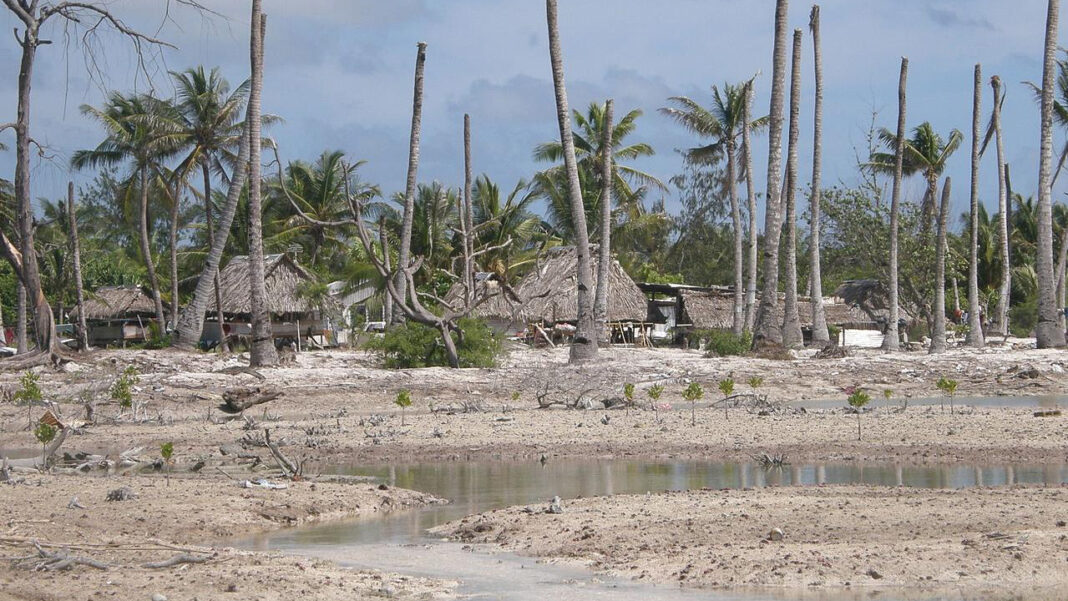

Climate change stands as one of the most pressing challenges of our time, exerting significant influence on economies worldwide. Commonwealth nations, a diverse group of countries spanning across continents, are not immune to its impacts. This article delves into the economic consequences of climate change on these nations, focusing on key sectors such as agriculture, tourism, and infrastructure. Additionally, it examines the adaptive measures being undertaken to mitigate these impacts and secure sustainable economic growth.
Agriculture: Battling Uncertain Seasons
Agriculture, a cornerstone of many Commonwealth economies, is particularly susceptible to the adverse effects of climate change. Erratic rainfall patterns, increased temperatures, and extreme weather events pose threats to crop yields and livestock. Countries like India and Nigeria, which heavily rely on agriculture, face a delicate balancing act to ensure food security and economic stability. The shifting climatic conditions necessitate the adoption of drought-resistant crops, improved irrigation systems, and sustainable farming practices to safeguard yields and livelihoods.
Tourism: Balancing Fragility and Attraction
Tourism, a vital sector in many Commonwealth countries, relies on natural beauty and cultural heritage. However, climate change has the potential to alter these attractions drastically. Rising sea levels and coral bleaching endanger coastal regions and marine ecosystems, undermining beach tourism and water-based activities. Destinations like the Maldives and Jamaica have recognized the urgency to protect their natural assets by implementing coral restoration initiatives and promoting sustainable tourism practices. Such efforts not only preserve delicate environments but also ensure the longevity of tourism-driven economic growth.
Infrastructure: Resilience in a Changing Environment
The impacts of climate change extend to infrastructure, challenging the resilience of Commonwealth nations’ urban landscapes and vital facilities. Increasingly frequent and severe weather events threaten transportation systems, energy infrastructure, and urban settlements. In response, countries such as Australia and Canada are integrating climate resilience into infrastructure planning, constructing elevated roads, flood barriers, and energy systems less susceptible to temperature fluctuations. By doing so, they aim to minimize economic disruptions and protect citizens from climate-induced infrastructural vulnerabilities.
Adaptation Strategies: Paving the Way to Resilience
In the face of these challenges, Commonwealth countries are taking proactive measures to adapt and mitigate the economic consequences of climate change. Policy frameworks and international agreements like the Paris Agreement underscore their commitment to carbon emissions reduction and sustainable development. Additionally, investing in renewable energy sources, like solar and wind power, bolsters energy security while curbing greenhouse gas emissions. Countries like India are rapidly expanding their renewable energy capacity, harnessing their abundant solar resources to meet growing energy demands sustainably.
Investing in Research and Innovation
Innovation and technology play a crucial role in developing adaptive strategies. Commonwealth nations are investing in research to develop drought-resistant crops, climate-resilient building materials, and advanced weather forecasting models. Collaborative efforts between nations, research institutions, and private sectors have the potential to yield breakthroughs that enhance economic resilience in the face of climate change.
Promoting Sustainable Practices
Promoting sustainable practices across sectors is a key strategy to mitigate climate impacts. Commonwealth countries are encouraging responsible land use, reforestation, and waste reduction to curtail carbon emissions and conserve natural resources. Circular economy initiatives, emphasizing recycling and reducing waste, are gaining traction in countries like Canada and the United Kingdom, promoting sustainable economic growth.
Building Climate-Resilient Communities
A bottom-up approach involves empowering local communities to withstand climate impacts. Education, awareness campaigns, and community-based disaster management plans strengthen the resilience of vulnerable populations. Countries like Bangladesh have pioneered community-led adaptation initiatives, fostering self-reliance and reducing the overall economic burden of climate-related disasters.
Conclusion: Navigating a Sustainable Future
The economic impact of climate change on Commonwealth nations is profound and multi-faceted. Agriculture, tourism, and infrastructure are but a few of the sectors feeling the brunt of shifting climatic patterns. Yet, these countries are not passively awaiting these changes; they are enacting comprehensive adaptation strategies, incorporating innovation, sustainability, and community engagement. By embracing these measures, Commonwealth nations are forging a path towards a more resilient, sustainable, and economically viable future in the face of climate uncertainty.