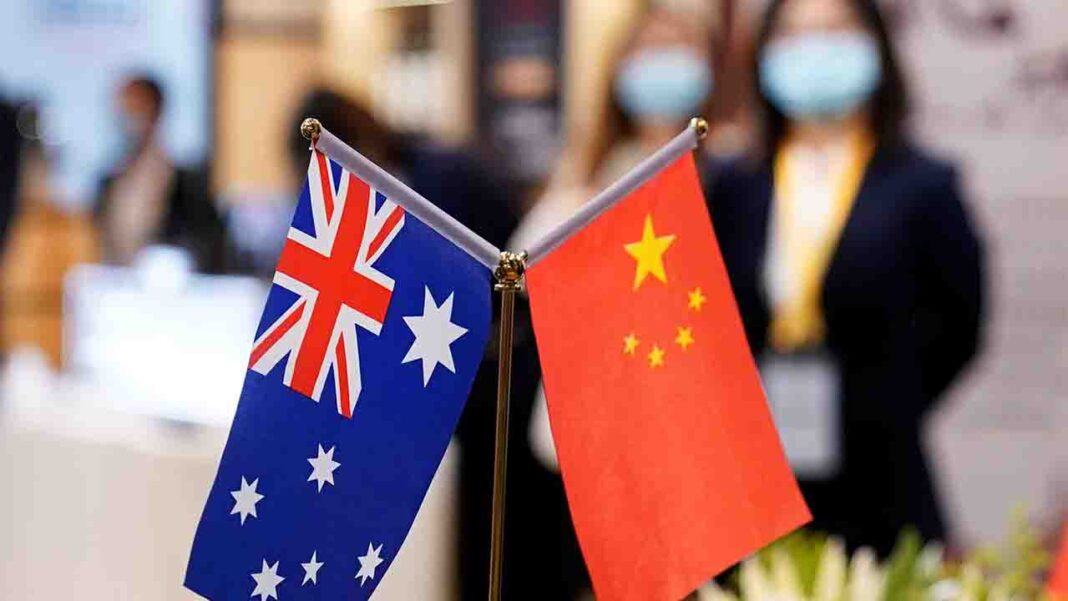

Australia is facing potential challenges due to its strong financial ties with China, as the latter’s economic troubles deepen, impacting its trading partners. China’s growth has slowed, leading to a decline in foreign investment and exacerbating a property crisis, particularly affecting major developers like Evergrande and Country Garden. The situation is concerning, with youth unemployment reaching 21.3% before data collection was halted, raising alarms.
Australia’s plans to benefit from China’s post-pandemic recovery are in jeopardy as signs of economic distress in China become more evident. With China being Australia’s largest trading partner, responsible for about one-third of its overseas trade, including crucial resources like iron ore, coal, and gas, the ramifications are significant. The slowdown in China’s economy is already affecting Australia’s exports and commodity prices, with implications for the resources and tourism sectors.
The decline in iron ore prices, a direct result of China’s struggling property sector and weakened steel demand, is a concern. This downturn also impacts mining-related services, and the Western Australia government’s income from iron ore royalties, which affects the entire nation due to revenue-sharing mechanisms.
Additionally, Chinese tourism, which was expected to rebound as pandemic travel restrictions eased, has remained limited due to factors like flight shortages, high airfares, and government travel bans. The decrease in Chinese visitors has implications for the tourism sector’s employment and the international student market.
The Australian dollar, closely tied to iron ore prices, has weakened, reflecting the uncertainty surrounding China’s economy. A sustained slowdown in China could negatively affect both the yuan and the Australian dollar, impacting demand for Australian exports and potentially deterring offshore investors.
While China might attempt to stimulate its economy, traditional approaches like investing in infrastructure may prove less effective due to existing underutilized resources. As Australia navigates these challenges, it hopes for a friendlier economic environment through the resolution of trade restrictions, increased tourism, and the potential for a more stable Chinese economic landscape.