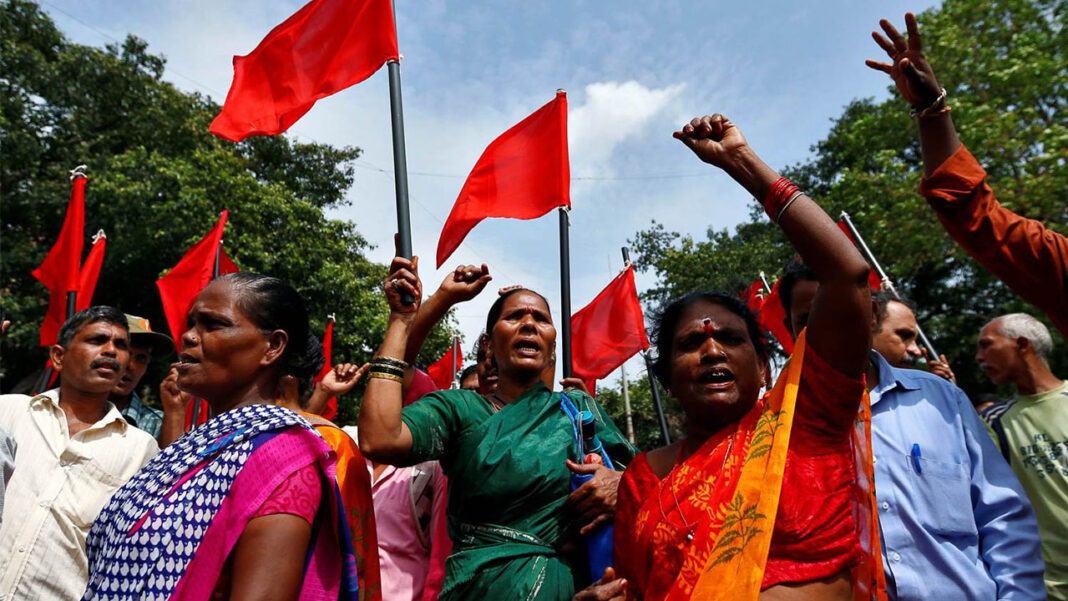
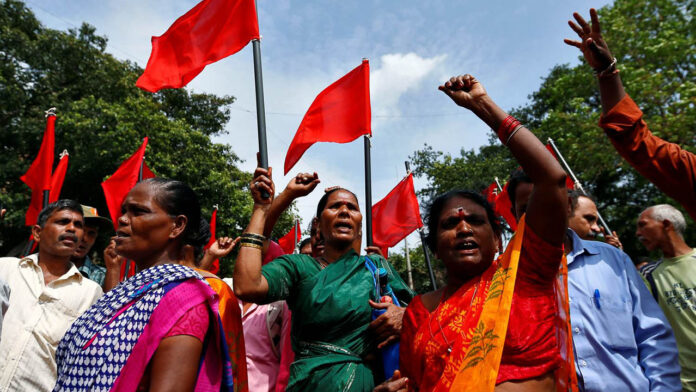

India (Commonwealth Union)_ India, a land of diversity and contrasts, is home to a deeply rooted social issue that has plagued the nation for centuries: casteism. Casteism, a form of discrimination based on one’s caste or social class, continues to persist despite efforts to eradicate it. In this article, we delve into the complex and deeply ingrained nature of casteism in India, examining its historical roots, contemporary manifestations, and the ongoing struggle for social justice and equality.
Casteism in India is not a recent phenomenon; its origins can be traced back thousands of years. The caste system, initially intended to organise society into distinct occupational groups, has transformed into a rigid hierarchy that permeates every aspect of Indian life. The four primary castes—Brahmins (priests and scholars), Kshatriyas (warriors and rulers), Vaishyas (merchants and artisans), and Shudras (labourers)—are further divided into countless subcastes, creating a web of social stratification.
At the bottom of the caste hierarchy lie the Dalits, once derogatorily referred to as “Untouchables.” Historically, Dalits faced severe discrimination and were relegated to the most degrading and menial tasks in society. Despite legal reforms and affirmative action policies, the plight of many Dalits remains dire, as they continue to encounter social, economic, and political exclusion.
While significant progress has been made in India, casteism continues to cast a dark shadow on the nation. Discrimination based on caste affects access to education, employment opportunities, and healthcare. Inter-caste marriages often face opposition, sometimes resulting in violence and honour killings. Social mobility remains challenging for those born into marginalised castes.
India has made strides in combating casteism. Dr. B.R. Ambedkar, a Dalit leader and the chief architect of the Indian Constitution, played a pivotal role in drafting laws that aimed to abolish untouchability and ensure social justice. The Scheduled Castes and Scheduled Tribes (Prevention of Atrocities) Act, 1989, and reservations in education and public employment for marginalised groups represent significant legislative efforts to redress historical injustices.
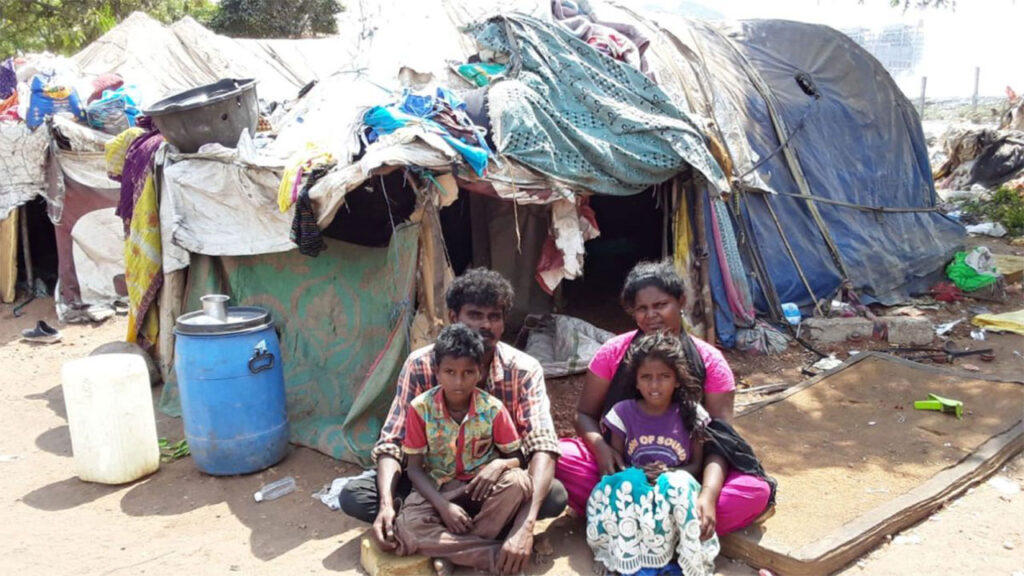
Despite these measures, casteism persists due to deeply ingrained social norms and prejudices. Discrimination often takes subtle forms, making it difficult to eradicate entirely. Resistance to change comes from various quarters, as some perceive affirmative action as reverse discrimination. Additionally, political considerations and vote bank politics have complicated the issue.
Education plays a crucial role in challenging casteism. Dalit activists, scholars, and organisations work tirelessly to raise awareness, empower marginalised communities, and advocate for their rights. Grassroots movements like the Dalit Panthers and the rise of educated Dalit youth have contributed to the ongoing struggle against caste-based discrimination.
Casteism is a deeply entrenched social issue that continues to divide Indian society. While legal measures and affirmative action policies have made strides toward equality, much work remains to be done. Eradicating casteism requires not only legislative reform but also a profound shift in societal attitudes, norms, and practices.
India’s journey toward a more equitable society is ongoing, and it is marked by the resilience and determination of those who refuse to be defined by their caste. The fight against casteism is a fight for the very essence of India’s democratic ideals—equality, justice, and dignity for all. As the nation grapples with this complex issue, it must draw strength from its diverse heritage and work together to create a society where every individual, regardless of their caste, can live with freedom, dignity, and opportunity.