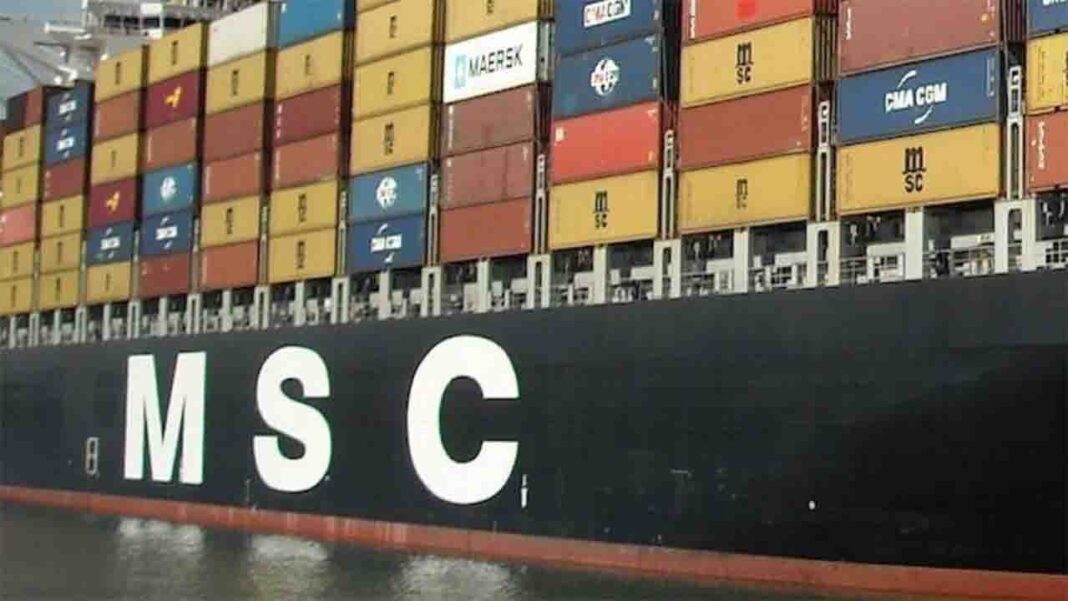

The recent seizure of the cargo ship MSC Aries near the Strait of Hormuz by the Iranian military has escalated tensions in the region. The vessel, which reportedly has 17 Indian crew members among its 25-member crew, has sparked diplomatic efforts aimed at securing the release of the detained individuals. India’s External Affairs Minister, S Jaishankar, has been actively engaged in diplomatic discussions with his Iranian counterpart, H Amirabdollahian, regarding the release of the Indian crew members. In his communication, Jaishankar emphasized the necessity of exercising restraint and returning to diplomatic negotiations to de-escalate the situation.
The cargo ship, allegedly linked to Israel, was intercepted by a special forces unit of the Islamic Revolutionary Guard Corps (IRGC) in the Gulf of Hormuz, approximately 80 kilometers off the coast of the United Arab Emirates. The vessel, associated with London-based Zodiac Maritime, a part of Israeli billionaire Eyal Ofer’s Zodiac Group, has raised concerns due to its affiliations. Following the seizure, India swiftly initiated efforts to ensure the safety and swift release of its nationals onboard the MSC Aries. With 17 Indian crew members among those detained, the Indian government has been closely coordinating with Iranian authorities to address the situation and secure the release of its citizens.
The Italian-Swiss shipping group MSC, responsible for the vessel, has also been actively involved in efforts to safeguard the well-being of the crew members and ensure the safe return of the ship. MSC has confirmed the presence of 25 crew members onboard and is collaborating closely with relevant authorities to address the situation. Among the crew members onboard the Portuguese-flagged vessel are individuals from various nationalities, including Filipinos, Pakistanis, Russians, and Estonians. The diverse composition of the crew highlights the international implications of the incident and underscores the importance of swift diplomatic resolutions.
As diplomatic efforts continue to unfold, stakeholders across the global community, including governments, international organizations, and maritime industry players, are closely monitoring the evolving situation in the Strait of Hormuz. The strait holds immense strategic significance as one of the world’s busiest and most critical maritime chokepoints, facilitating the passage of a significant portion of global oil and gas shipments. Any disruption to the flow of traffic through this vital waterway could have far-reaching implications for global energy markets and trade.
The seizure of the MSC Aries and the subsequent detention of its crew members by the Iranian military have heightened concerns about the stability and security of the region. This incident has once again brought to the forefront the complex geopolitical dynamics and security challenges that characterize the Strait of Hormuz, a crucial nexus where various regional and international interests intersect.
As diplomatic channels remain active, there is a growing recognition of the urgent need for constructive dialogue and peaceful resolutions to de-escalate tensions and prevent any further escalation of the situation. Diplomatic efforts are focused on facilitating dialogue between relevant stakeholders, including Iran, India, and other concerned parties, to resolve the issue and ensure the safe release of the detained crew members. In addition to diplomatic initiatives, there is also a concerted effort to uphold the principles of maritime law and ensure the freedom of navigation in the region. International maritime conventions and agreements play a crucial role in governing the rights and responsibilities of states in navigable waters, and adherence to these norms is essential for maintaining stability and security in the maritime domain.
The incident involving the MSC Aries serves as a stark reminder of the need for enhanced cooperation and coordination among states to address maritime security challenges effectively. Collaborative efforts, such as information sharing, joint patrols, and capacity-building initiatives, can help strengthen maritime security mechanisms and mitigate the risk of similar incidents in the future.