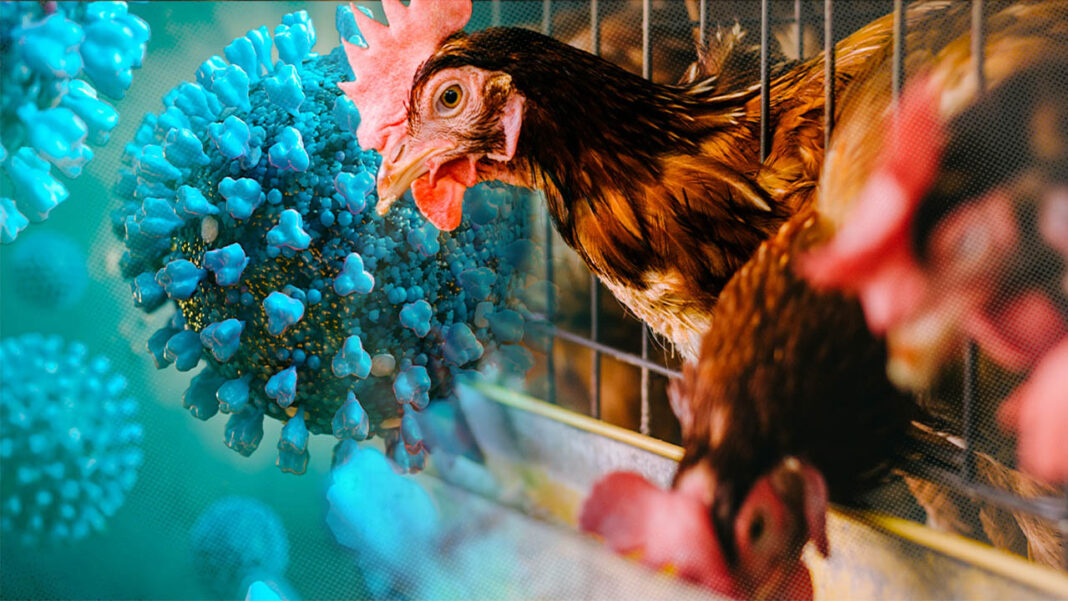

The current outbreak of highly pathogenic avian influenza (HPAI) in Australia has been confined to Victoria, with federal agriculture authorities asserting that the situation is under control. Agriculture Minister Murray Watt assured that the Victorian agencies are effectively managing the culling and destruction of affected poultry on-site to prevent the further spread of the virus. He emphasized that only a few farms have been impacted, and there is no imminent threat to the national egg supply.
Minister Watt also addressed and dismissed various unfounded claims circulating on social media about the outbreak, with experts supporting his denial of these baseless assertions, as reported by SBS. According to Agriculture Victoria, as of June 17, there have been seven HPAI outbreaks in the state’s poultry sector.
The two most recent outbreaks, confirmed since June 12, both involve the H7N3 virus serotype and occurred on farms in the Golden Plains Shire municipality. The first of these affected a commercial premises with ducks, marking the first case involving birds other than hens or pullets. The second recent outbreak was identified on another egg farm. These cases bring the total number of HPAI outbreaks in Australia since mid-May to seven, all confined to Victoria. The H7N3 variant has been detected at six of these locations, all situated in Golden Plains.
In contrast, the H7N9 serotype has only been identified at one farm, located further west within the state. The authorities’ swift response and containment measures have so far been effective in preventing the spread of the virus beyond these areas.
Avian Flu Developments in Asia
In the Philippines, the number of regions reporting HPAI outbreaks within the last 90 days remains steady at six, according to the Department of Agriculture’s Bureau of Animal Industry. Of these, only one outbreak is described as “ongoing,” involving a commercial quail flock in the Central Luzon region.
Japan has also reported recent developments regarding HPAI. Movement restrictions connected to the most recent poultry outbreak have been lifted. This outbreak, detected in the second week of March, involved the H5N1 HPAI virus serotype and affected a flock of more than 57,000 laying hens in central Honshu. It marked Japan’s 11th HPAI outbreak since November of the previous year. Additionally, WOAH notifications indicate that in April, 21 wild birds in Japan tested positive for the same H5N1 virus variant, and two more birds for the H5N5 virus group.
Human Cases of Avian Influenza in the Western Pacific
The World Health Organization (WHO) has reported three new human infections with avian influenza A viruses in mainland China during the second week of June. Two of these cases tested positive for the influenza A(H9N2) virus, with the most recent case identified in the Guangxi Zhuang Autonomous Region, where symptoms began on May 2. Since 2015, this region has reported 101 cases, including two fatalities, with 98 of these cases occurring in China.
The following week, a patient in Quanzhou, Fujian province, was confirmed to be infected with the influenza A(H5N6) virus. Since 2014, there have been 92 cases linked to this virus variant in the region, with 37 resulting in death, according to WHO.
These developments highlight the ongoing challenges posed by avian influenza across different regions and the importance of continued vigilance and effective management strategies to contain the virus. The situation in Victoria serves as a reminder of the critical role that prompt action and stringent biosecurity measures play in controlling the spread of highly pathogenic avian influenza.