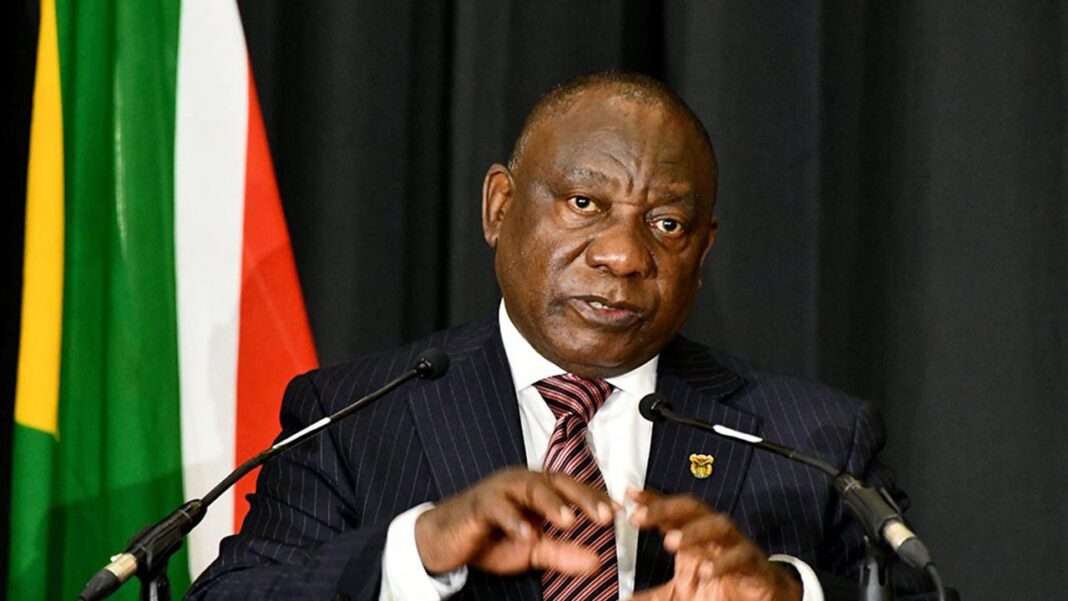

Africa (Commonwealth Union) _ President Cyril Ramaphosa has signed the groundbreaking Electricity Regulation Amendment (ERA) Act into law, a significant step toward reshaping South Africa’s electricity market. This much-anticipated legislation establishes the framework for a fully independent Transmission System Operator (TSO), which is set to be operational within the next five years.
The ERA Bill was approved just before the May 29 elections, and President Ramaphosa’s assent on August 16 has sparked some debate regarding the potential impact on municipal control over electricity distribution. Despite these concerns, the Act has garnered broad support from key stakeholders, including organized business groups, who see the reforms as crucial for levelling the playing field between state-owned Eskom and independent power producers. The legislative changes align with the ongoing energy transition, which demands a more competitive and efficient electricity supply industry.
One of the Act’s most significant provisions is the establishment of a State-owned TSO, which will function independently within five years. This entity will play a critical role in ensuring that access to the transmission and distribution system is transparent, objective, and non-discriminatory. The TSO is also tasked with balancing the system and dispatching electricity without favouritism, except for objectively justifiable reasons approved by the National Energy Regulator of South Africa (Nersa).
The new legislation also mandates the development of a market code to regulate the future competitive market, outlining the procedures for its approval. Additionally, the Act introduces market operation as a licensable activity under Nersa, further solidifying the transition toward a competitive energy market.
In the interim, the National Transmission Company of South Africa, which began operating as an Eskom subsidiary on July 1, will serve as the TSO. The ERA Act also distinguishes between tariffs that must be approved by the regulator, such as network charges, and those determined through direct supply agreements or competitive market outcomes. Nersa is tasked with ensuring that licensed operators can recover their costs while providing incentives for continued efficiency improvements.
The new legislation also introduces stringent penalties for damaging or sabotaging electricity infrastructure, with fines of up to R1-million or five years in prison. Those who illegally acquire such infrastructure face even harsher penalties, including fines up to R5-million or 10 years in prison.
These legislative reforms are aligned with South Africa’s broader Energy Action Plan and Eskom Roadmap, aimed at modernizing the electricity system, ending load-shedding, and ensuring long-term energy security.